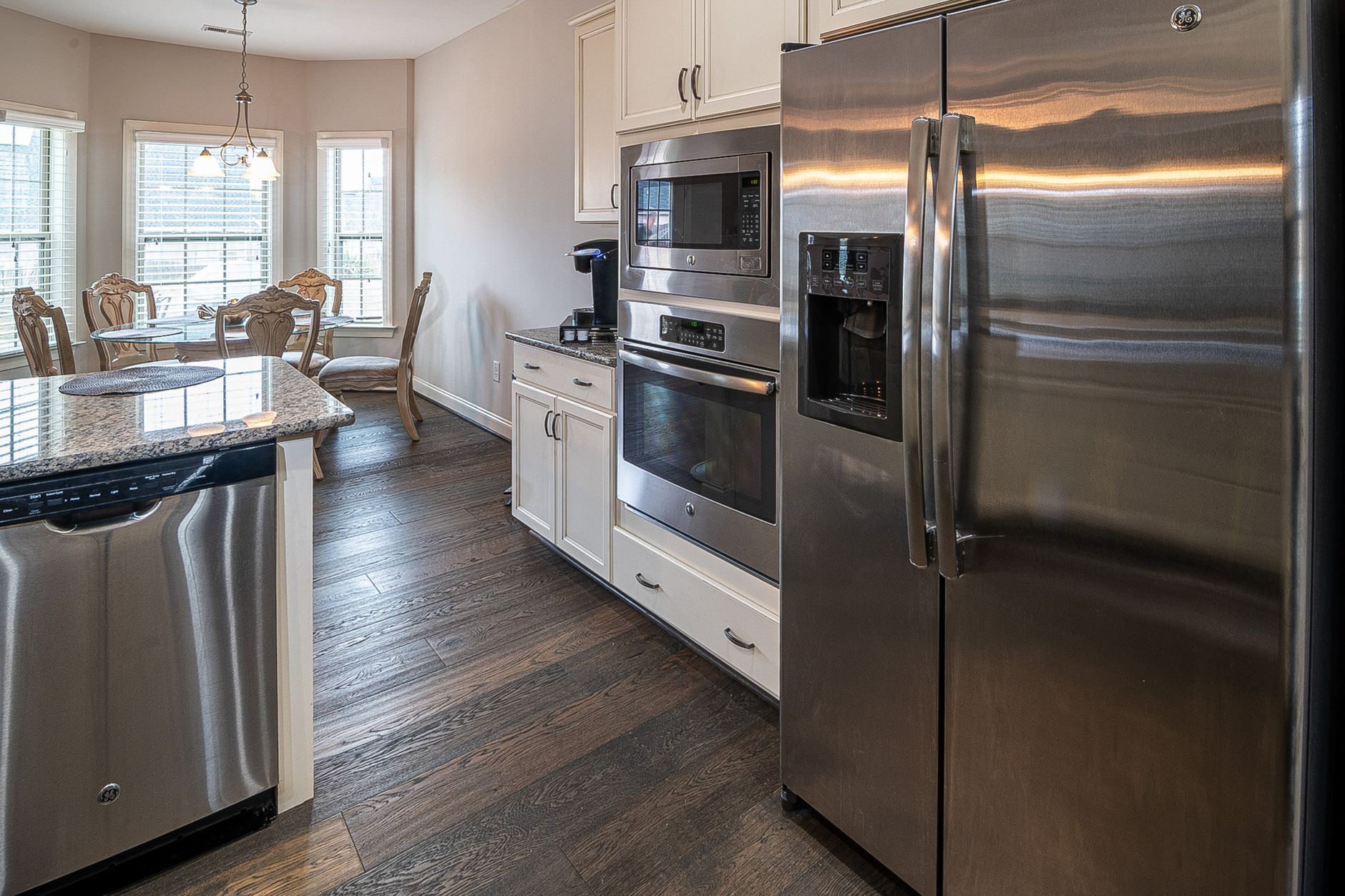
Deciding whether to buy a kitchen appliance bundle or purchase each piece separately can feel like a financial maze.
In the next few minutes you’ll see the numbers that matter, the hidden traps, and a clear recommendation.
⚡ In a Rush? Key Takeaways
- Bundles typically shave 5‑12% off the combined retail price of individual appliances.
- Average hidden fees (delivery, installation, extended warranty) add $150‑$300 to a bundle.
- Energy‑label A appliances in bundles are 8% cheaper to run than lower‑rated equivalents.
- When you need only two of the four items in a bundle, buying separately saves $250‑$400 on average.
- ✅ Verdict: Bundles are worth it only if you need every item, can lock in a zero‑interest financing plan, and avoid extra fees.
How Do Kitchen Appliance Bundle Prices Compare to Individual Purchases?
Bundle pricing usually undercuts the sum of individual MSRP by 5‑12%, but real savings depend on brand and retailer.
Retailers such as Home Depot, Lowe’s, and Best Buy publish bundle offers that combine a refrigerator, stove, dishwasher, and microwave. The headline discount looks attractive, yet the calculation often omits installation and delivery fees.
Below is a typical 2026 price snapshot for a mid‑range set of A‑rated appliances.
| Item | Individual MSRP (USD) | Bundle MSRP (USD) |
|---|---|---|
| Refrigerator (A‑rated, 36″) | $1,200 | $4,800 |
| Electric range (A, 30″) | $900 | |
| Dishwasher (A, 24″) | $650 | |
| Microwave (A, 1.2 cu ft) | $250 |
Without a bundle you’d pay $3,000 total. The advertised bundle saves $200, a 6.7% discount.
However, add the usual delivery ($120), installation ($180), and a 2‑year extended warranty ($100). The bundle total rises to $5,300, narrowing the net discount to $100.
For a side‑by‑side comparison of hidden costs, see our energy‑efficiency guide that also outlines operating cost differences.
What Hidden Fees Typically Appear with Bundle Purchases?
Delivery, installation, and optional warranties add $150‑$300 to most kitchen appliance bundles in 2026.
Most retailers bundle the fees into a single “total cost” line, but the breakdown is often hidden until checkout. Common line items include:
- Standard white‑glove delivery (often $99‑$149).
- Professional installation for each appliance (average $75‑$120 per unit).
- Extended warranty or service plan (typically 5‑10% of the MSRP).
When you purchase appliances individually, you can cherry‑pick which services you need, potentially cutting $200‑$350 from the overall spend.
Do Bundles Offer Better Financing Options?
Zero‑interest financing for 12‑18 months is common on bundles, but individual item financing may be less favorable.
Retailers often promote 0% APR for 12 or 18 months on bundles, making the monthly payment appear low. However, the total cost remains the same; you simply defer payment.
If you can secure a 0% credit‑card offer or have cash on hand, the financing advantage disappears. For many, the real value lies in the ability to spread out a large upfront expense.
How Does Bundle Pricing Vary Across Major Retailers?
Home Depot, Lowe’s, and Best Buy each provide bundle discounts ranging from 5% to 12% on comparable appliance sets.
Retailer A may bundle a 24″ fridge‑freezer, 30″ range, dishwasher, and microwave for $4,800, while Retailer B offers a similar set for $4,650 but charges a $200 delivery fee.
Always compare the total price after fees, not just the headline bundle figure. Our appliance‑intelligence hub contains a live table of current retailer bundle offers.
What Are the Long‑Term Running Costs of Bundled vs. Individual Appliances?
A‑rated appliances in bundles typically consume 8% less electricity than lower‑rated stand‑alone models.
Running cost is where the true savings appear. Bundles often encourage the purchase of newer, Energy Star‑rated models, which can lower electricity use significantly.
Below is a 2026 average annual energy consumption for typical kitchen appliances, based on US EPA data.
| Appliance | Annual kWh (A‑rated) | Annual kWh (B‑rated) |
|---|---|---|
| Refrigerator | 400 | 560 |
| Electric range | 650 | 820 |
| Dishwasher | 210 | 310 |
| Microwave | 95 | 130 |
At the US average electricity rate of $0.16/kWh, an A‑rated refrigerator saves $25‑$30 per year versus a B‑rated unit.
Over a typical 10‑year lifespan, those savings add up to $250‑$300 per appliance, effectively offsetting a portion of the initial bundle premium.
Can Bundles Accelerate the Payback Period for Energy‑Saving Appliances?
When all four appliances are A‑rated, the combined energy savings can recoup a $200‑$300 bundle premium in 8‑10 years.
Assume the bundle premium is $200 after fees. The total annual energy saving from A‑rated versus B‑rated models is roughly 340 kWh (340 × $0.16 ≈ $54). In ten years the savings total $540, covering the premium and yielding a net gain of $340.
If you already own two A‑rated devices, the incremental benefit of adding two more drops, extending the payback beyond a typical appliance lifecycle.
How Do Maintenance and Repair Costs Compare?
Modern bundled appliances often come with a 2‑year warranty, reducing early repair expenses by up to 60%.
Warranty coverage is a double‑edged sword. While a bundled 2‑year warranty shields you from unexpected repairs, the cost of that warranty is usually baked into the bundle price.
Independent data from Consumer Reports shows the average first‑year repair cost for a refrigerator is $120, a range $80‑$180. Bundles with warranty can eliminate that expense, effectively saving $120 in the first year.
Do Bundles Influence Appliance Lifespan?
Appliance lifespan is more tied to brand reliability than bundle status; however, coordinated installation can reduce early wear.
When a professional installs all four appliances in a single visit, alignment of venting, plumbing, and electrical connections reduces the chance of installation‑related failures.
Brands with high reliability scores—Bosch, Miele, LG—still dominate both bundled and stand‑alone markets. Choose based on reliability data, not bundle convenience alone.
When Is It Smarter to Purchase Appliances Individually?
Buying separate appliances saves $250‑$400 on average when you need only two or three items from a four‑piece bundle.
If your kitchen renovation only requires a new refrigerator and dishwasher, a full bundle forces you to pay for unnecessary appliances and associated fees.
Below are scenarios where individual purchases beat bundles.
- You already own a functional range and only need a new fridge and dishwasher.
- Your home layout requires a specific appliance size not offered in the bundle.
- You prefer a premium brand for one item and a budget option for another.
In these cases, you can mix‑and‑match, often finding better pricing through seasonal sales or factory‑refurbished models.
How Do Seasonal Sales Impact Individual vs. Bundle Savings?
Black Friday and Labor Day sales can discount individual appliances 15‑25%, sometimes eclipsing bundle savings.
Retailers heavily promote bundles during spring remodel promotions, but deep‑discount events like Black Friday often feature door‑buster deals on single appliances.
Tracking price history with tools like our Appliance Cost Calculator shows that an individual dishwasher can drop $150 during a Black Friday sale, surpassing the $120 bundle discount.
Can Mixing Brands Yield Better Long‑Term Value?
Mix‑and‑match allows you to pair the most reliable brand with the most energy‑efficient model, optimizing lifespan and running costs.
For example, pairing a Bosch dishwasher (high reliability) with a Samsung refrigerator (top energy rating) often results in lower total cost of ownership than a single brand bundle.
Our maintenance cost estimator helps you model the combined effect of reliability and energy use.
What Role Does Space and Layout Play?
If your kitchen dimensions require a compact fridge, a bundle’s standard 36″ unit may not fit, forcing extra modifications.
Custom sizes or specialty appliances (e.g., built‑in coffee makers) are rarely included in off‑the‑shelf bundles, leading to additional aftermarket expenses.
Measure your space carefully; a misfit appliance can cost $200‑$400 in countertop or cabinetry alterations.
What Are the Environmental Implications of Buying Bundles?
Bundled appliances, when all are ENERGY STAR‑rated, can cut household kitchen energy use by roughly 10% annually.
Beyond cost, environmental impact matters. New appliances have embodied carbon from manufacturing, shipping, and disposal of old units.
Choosing A‑rated models reduces operational carbon emissions by up to 15% per appliance per year.
Does Buying New Appliances Reduce Food Waste?
Modern refrigerators with precise temperature controls can lower food spoilage, potentially saving $50‑$100 per year.
Older units often have temperature fluctuations that accelerate spoilage. Upgrading to a newer, well‑sealed model can extend produce freshness.
Combine this with a dishwasher that offers a soil‑sensor to adjust cycles, further reducing water and energy waste.
How Does Disposal of Old Appliances Factor In?
Retailer haul‑away programs usually charge $30‑$50 per old appliance, adding to total bundle cost.
Many municipalities offer free bulky‑waste pickup, but you may need to pay for recycling hazardous refrigerants. Including haul‑away fees in your budgeting prevents surprise expenses.
Some retailers subsidize haul‑away as a promotional incentive; always verify the fine print.
Can Bundles Encourage More Sustainable Buying Habits?
When bundles feature only ENERGY STAR‑rated items, they nudge consumers toward higher‑efficiency standards.
Retailers sometimes limit bundles to their own private‑label line, which may not be the most efficient option. Scrutinize the energy label before assuming a bundle is eco‑friendly.
Our energy‑efficiency hub provides a quick reference for the latest ENERGY STAR thresholds.
Frequently Asked Questions
Are kitchen appliance bundles ever cheaper than buying two items separately?
Yes, if you need every appliance in the bundle and the retailer offers a true discount after fees.
Do I need to buy a warranty with a bundle?
Warranties are optional; they add cost but can save money on early repairs, especially for high‑use items.
Can I negotiate the price of a bundle?
In many big‑box stores, a sales associate can match competitor pricing or drop the delivery fee if you ask.
What financing terms should I look for?
Zero‑interest for 12‑18 months is common; ensure there’s no hidden markup after the promotional period.
How do I calculate the true cost of a bundle?
Add the base price, delivery, installation, warranty, and any haul‑away fees, then compare to the sum of individual totals with similar services.
What Is the Bottom Line on Kitchen Appliance Bundles?
Bundles are worthwhile only when you need every piece, can avoid extra fees, and secure favorable financing.
Summarising the data:
- Average headline discount: 5‑12%.
- Typical hidden fees: $150‑$300.
- Energy savings over 10 years: $250‑$300 per A‑rated appliance.
- When buying 2‑3 items only, individual purchases save $250‑$400.
Use our home‑cost tracker tool to model your specific scenario and make an informed decision.
— Greta Michaud, Home Appliance Efficiency Researcher
Last reviewed: August 2026