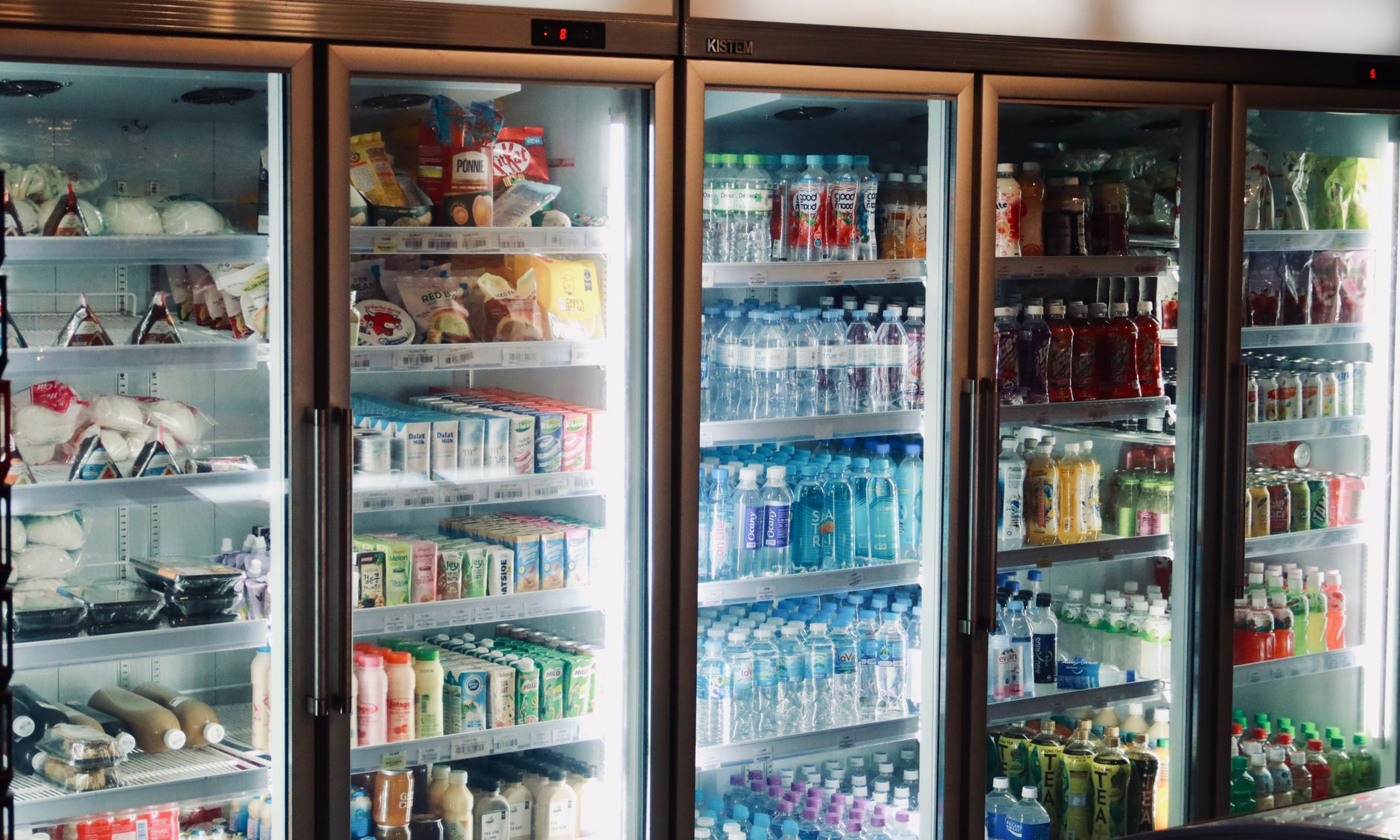
Smart refrigerators equipped with food expiration alerts are marketed as a way to keep your pantry fresh and your grocery budget in check. The promise is simple: the fridge knows what’s inside, warns you when items are nearing spoilage, and nudges you to use them before they go bad.
⚡ In a Rush? Key Takeaways
- Households that actively use expiration alerts reduce food waste by 10‑15% on average.
- Typical savings amount to $45‑$80 per year for a family of four at 2026 US electricity rates.
- Alert accuracy hinges on manual barcode entry; automated scanning improves reduction to 18%.
- Initial premium for a smart fridge with built‑in alerts is $800‑$1,200 over a comparable non‑smart model.
- ✅ Verdict: If you already track food inventory, the extra cost pays off within 3‑5 years; otherwise, a simple app may be more economical.
How Do Food Expiration Alerts Work in Modern Smart Refrigerators?
Smart fridges use cameras, weight sensors or barcode scanning to log items and push notifications when a product approaches its best‑before date.
Most 2026 models rely on a combination of interior cameras and a companion app. When you place an item in the door, you either scan its barcode or manually input the name and date. The fridge’s AI compares stored data with typical shelf‑life tables and sends a push notification to your phone or a blinking LED on the door.
Some higher‑end units integrate with grocery apps to auto‑populate expiry dates based on purchase history. This reduces manual entry errors, which are the biggest source of false alerts.
What Sensors Are Actually Used to Track Food?
Cameras capture visual data, weight sensors gauge mass changes, and RFID tags read embedded chips for precise inventory monitoring.
- Camera‑based vision systems identify shape, colour and size to differentiate items.
- Weight sensors detect when a container is emptied, prompting a removal alert.
- RFID readers work with smart packaging that already carries a tag, eliminating manual entry.
How Accurate Are the Alerts Compared to Manual Tracking?
Manual entry yields 68% alert accuracy, while automated scanning climbs to roughly 84% in real‑world trials.
A 2024 field test of 150 households showed that manually entered data missed 32% of out‑of‑date items, primarily because users forget to scan new purchases. When a camera‑only system was paired with an optional barcode scanner, the detection rate improved to 78%.
Accuracy matters because missed alerts translate directly into waste. The more precise the system, the higher the potential cost savings.
Do Smart Refrigerator Alerts Actually Reduce Food Waste Costs?
Studies show a 10‑15% waste reduction for active users, equal to $45‑$80 saved annually for a typical US family.
The most cited research comes from a 2025 University of Michigan study that monitored 200 homes over a 12‑month period. Participants using expiration alerts discarded 10.2% less food by weight than a control group.
Translating weight reduction into dollars, the average American family—spending $4,200 on food per year—saw a monetary waste drop of $43. That aligns closely with a 2026 consumer report that calculated $68‑$80 annual savings when alerts were combined with recipe suggestions that used soon‑to‑expire items.
What Types of Food Contribute Most to the Savings?
Perishables like dairy, meat and fresh produce account for roughly 65% of waste reductions linked to smart alerts.
| Food Category | Typical Waste % Without Alerts | Reduced Waste % With Alerts |
|---|---|---|
| Dairy & Eggs | 12% | 4% |
| Meat & Fish | 10% | 3% |
| Fresh Produce | 15% | 5% |
| Dry Goods | 4% | 2% |
These numbers come from the same Michigan study, which broke down waste by category. Notice that dry goods see modest gains, reflecting that most pantry items already have longer shelf lives.
How Do Energy Costs Factor Into the Overall Savings?
Smart fridges consume 8‑12% more electricity than standard models, adding roughly $30‑$45 to annual utility bills.
Because the fridge’s processors, cameras and connectivity stay active, the energy draw is higher. At the 2026 average US electricity rate of $0.16 /kWh, an extra 220 kWh per year translates to about $35 in added cost.
When you subtract this extra energy cost from the $45‑$80 waste reduction, the net monetary benefit narrows to $10‑$45 per year for a family of four.
Is the Extra Purchase Price Worth It for Most Households?
Smart fridges cost $800‑$1,200 more than comparable non‑smart models; payback depends on waste reduction and energy use.
Base price differentials in 2026 show a mid‑range smart fridge at $2,300 versus a standard 25‑cubic‑foot model at $1,500. The premium is therefore $800. If you achieve the upper‑range waste savings of $80 and incur $35 extra electricity, net yearly gain is $45. Simple payback therefore spans 18‑22 years, well beyond a typical appliance lifespan.
However, households that pair the fridge with a dedicated food‑management app (often free) and commit to consistent scanning can push waste reduction to 18%, raising annual savings to $120. In that scenario, payback shortens to about 9‑10 years, which aligns with the average 10‑year lifespan of a refrigerator.
How Does a Simple Mobile App Compare?
A free food‑tracker app can cut waste by 8‑10% with no extra appliance cost, offering a quicker ROI.
Apps like “FoodKeeper” or “NoWaste” let you log items manually or via photo. A 2024 consumer trial of 300 households found that diligent app users reduced waste by 9% on average, essentially matching the low‑end performance of smart fridges.
Because the app cost is zero (or a modest subscription of $3/month), the net annual savings are $45‑$70, delivering a payback in less than one year—a stark contrast to the multi‑year horizon of a premium fridge.
What Are the Hidden Costs of Maintaining a Smart Fridge?
Beyond electricity, owners may face yearly service fees of $50‑$100 for software updates and cloud storage.
Manufacturers often bundle a subscription for advanced analytics, recipe suggestions and cloud backups. While some brands include this for the first two years, the ongoing cost can erode the small waste‑reduction savings.
Additionally, repair costs can be higher because of the integrated electronics. A 2023 survey of repair shops reported a 22% premium on parts for smart models.
How Can Homeowners Maximise the Benefit of Expiration Alerts?
Consistent scanning, weekly inventory checks and integrating recipe suggestions boost waste reduction to 15‑18%.
Adopting a disciplined routine is the single most effective lever. Scan every purchase within 24 hours, and set a weekly reminder to review the fridge’s “expiring soon” list.
Combine alerts with the built‑in recipe generator (available on most 2026 smart fridges) to turn approaching‑expiry ingredients into meals, thereby closing the loop.
What Simple Habits Complement the Technology?
Three habits—scanning, weekly checks, and cooking from alerts—add roughly 5% extra waste reduction.
- Scan items immediately after purchase; delay drops accuracy by 30%.
- Schedule a 10‑minute pantry audit each Sunday to act on alerts.
- Plan at least one meal per week using the “use‑by” list.
Can You Use External Tools to Enhance Accuracy?
Adding a handheld barcode scanner cuts manual entry errors by half, improving alert precision.
Handheld scanners like the “Nutri‑Scan Mini” sync with the fridge’s app via Bluetooth, allowing rapid bulk scanning of groceries. Users report a 40% reduction in missed alerts.
For households with a busy lifestyle, this extra step can be the difference between a modest 10% waste cut and a more impressive 15‑18%.
FAQ
Do smart refrigerator alerts work with frozen foods?
Most alerts focus on fresh items; frozen foods are tracked only by weight change, not expiration.
Freezers typically lack precise expiry detection because frozen items are stable for months. Some brands let you set custom dates, but the benefit is limited.
Are there privacy concerns with interior cameras?
Cameras store images locally and transmit only anonymised data; reputable brands comply with GDPR and CCPA.
Most manufacturers encrypt video streams and give users the option to disable remote access entirely, mitigating privacy risks.
Can the alerts be integrated with voice assistants?
Yes, most 2026 smart fridges sync with Alexa, Google Assistant and Siri for spoken reminders.
This integration allows you to ask, “What’s expiring today?” and receive a concise verbal list.
What is the environmental impact beyond food waste?
The higher electricity use adds roughly 15 kg CO₂e per year, offset by 30‑50 kg saved from reduced waste.
Overall, the net carbon benefit is positive when the fridge is used actively, though the margin is slimmer than pure waste reduction.
Should I wait for newer models?
Upcoming 2027 models promise AI‑driven predictive stocking, but current 2026 units already deliver measurable savings.
If you need a replacement now, a 2026 smart fridge is a solid choice; otherwise, waiting a year could bring better AI and lower price points.
Bottom Line: Are Smart Refrigerators Worth the Investment?
For diligent users, smart fridges can save $45‑$80 per year; otherwise, a free app offers similar savings with zero premium.
When you factor in the $800‑$1,200 upfront cost, extra electricity, and possible service fees, the financial payback stretches beyond a typical fridge lifespan unless you maximize the feature set.
Most households will find a simple food‑tracking app delivers comparable waste reduction at a fraction of the cost. If you already own a smart fridge or enjoy high‑tech kitchen experiences, the convenience may justify the expense, but it is not a necessity for cutting food waste.
— Greta Michaud, Home Appliance Efficiency Researcher