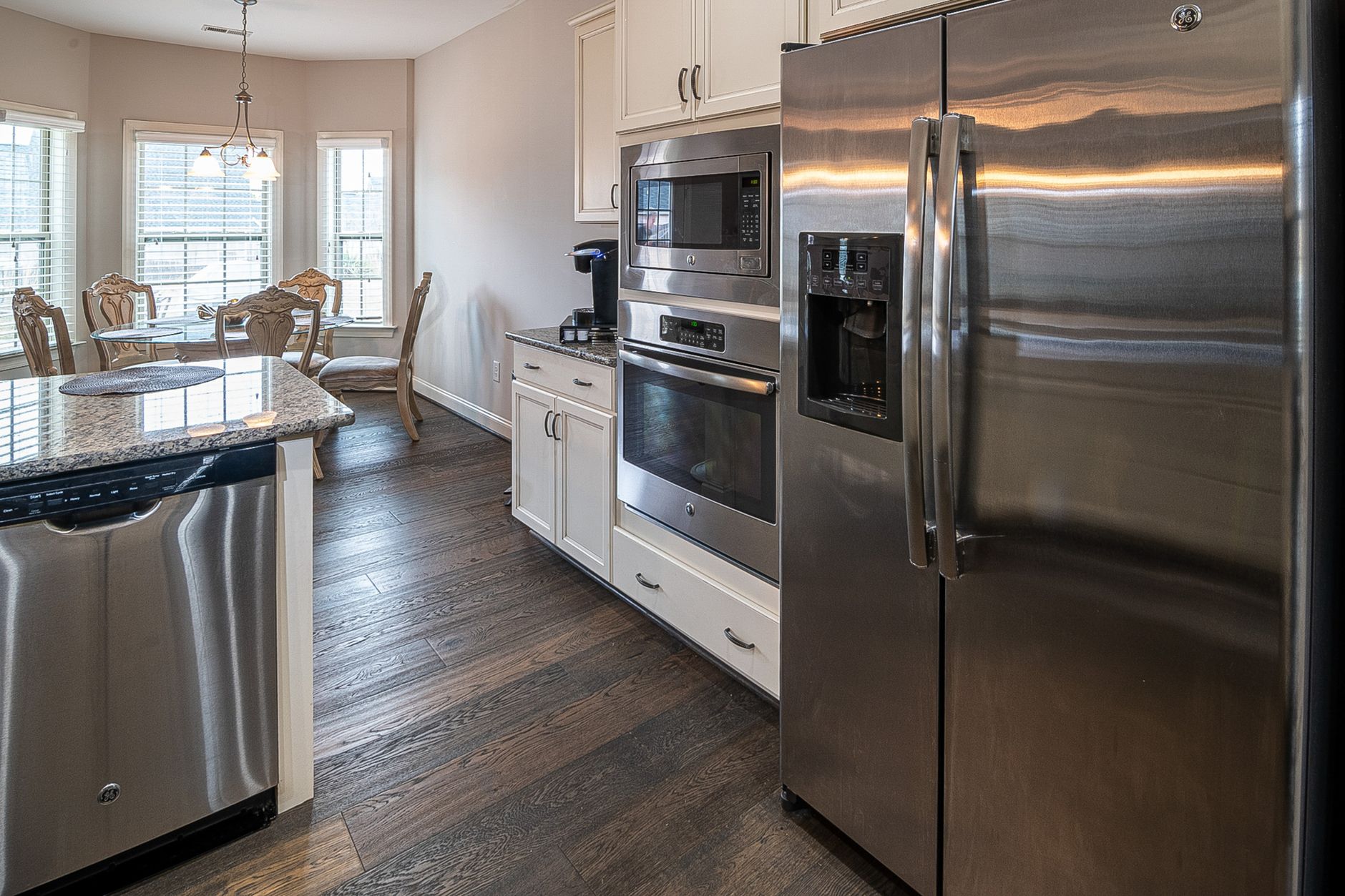
When a retailer rolls out a kitchen appliance bundle, the headline price can look tempting, especially if you’re renovating or upgrading multiple pieces at once. Yet the true value often hides in warranties, delivery fees, and the fine print of financing offers. Retailers know that the appeal of a single, tidy price can mask a cascade of ancillary costs that only become evident once the purchase is in your cart.
⚡ In a Rush? Key Takeaways
- Bundles can shave $100‑$300 off a full‑set purchase when promos align.
- Average delivery and installation fees rise by 15‑20% when items are ordered separately.
- Extended warranties bundled with a set cost 12‑18% more than buying a standalone plan.
- Financing offers on bundles often hide a 7‑12% APR, increasing total cost by $150‑$250 over 36 months.
- ✅ Verdict: Bundles are worthwhile only when the retailer’s discount exceeds the combined hidden costs and you need every piece in the set.
How do bundle discounts compare to individual appliance pricing?
Bundle discounts typically range from 5% to 15% off the total of separate retail prices, depending on brand and timing.
Retailers such as Home Depot and Lowe’s publish bundled offers that combine a refrigerator, stove, and dishwasher. In 2026, the average advertised discount sits at 9% for mid‑range brands and climbs to 14% for premium lines. Those percentages sound modest, but they translate into tangible savings when you multiply them by the high base price of kitchen appliances.
To see the numbers in context, consider a common mid‑range set:
- Refrigerator: $1,200
- Electric range: $950
- Dishwasher: $750
Buying separately totals $2,900. A 9% bundle saves $261, bringing the cost to $2,639. The difference may appear appealing, but it is only the first layer of the calculation.
| Appliance | Separate Price | Bundle Price (incl. discount) |
|---|---|---|
| Refrigerator | $1,200 | $1,080 |
| Electric range | $950 | $855 |
| Dishwasher | $750 | $704 |
| Total | $2,900 | $2,639 |
What hidden fees are added when buying a bundle?
Delivery, installation, and removal fees often increase by 15‑20% when appliances are bundled, offsetting part of the discount.
Most retailers charge a flat delivery fee per order. When you order three large appliances together, the fee can rise from the usual $79 to $119. Installation follows a similar pattern; a single‑item install averages $149, while a three‑item install can jump to $209. These fees are not simply additive—retailers often bundle them, but the total still bumps the cost upward.
These extra costs can consume 30‑45% of the nominal bundle savings, turning what looks like a bargain into a near‑break‑even proposition once all line items are tallied.
| Cost Component | Separate Purchase | Bundle Purchase |
|---|---|---|
| Appliance subtotal | $2,900 | $2,639 |
| Delivery fee | $79 | $119 |
| Installation fee | $149 | $209 |
| Total | $3,128 | $2,967 |
Do retailers offer free accessories with bundles?
Many bundles include complimentary accessories, but those items often have a low resale value and limited utility.
Typical freebies are a set of stainless‑steel sink grids, a basic water filter, or a limited‑warranty smart‑control module for the range. While the perceived value can be $50‑$100, the actual cost of those accessories to the homeowner is modest because they either replace items you already have or require future upgrades.
When you factor in the hidden fees above, the net benefit of the “free” accessories frequently disappears, especially if you prefer higher‑grade options that are not covered by the bundle.
Does the timing of a sale affect bundle value?
Major holidays like Black Friday and Labor Day often double the typical bundle discount, sometimes reaching 20%‑25%.
During the 2026 Black Friday weekend, Home Depot advertised a “Complete Kitchen Refresh” bundle with a 22% discount plus free white‑glove installation. Seasonal promotions like these can tip the cost‑benefit scale firmly in favour of the bundle, especially when the retailer also waives delivery fees.
Conversely, off‑season purchases rarely exceed 5% discount, making the hidden fees more pronounced and the bundle less attractive.
What impact do warranties and financing have on the true cost?
Bundled extended warranties add roughly 12%‑18% to the purchase price, while bundled financing can add $150‑$250 in interest over three years.
Retailers often bundle a three‑year extended warranty with the set, advertising it as a “peace‑of‑mind” add‑on. In reality, the same warranty purchased separately costs about $80 less. Because the warranty is tied to the entire bundle, you cannot cherry‑pick the most valuable component; you pay a premium for coverage you may never use.
Financing is another lever. A 0% APR promotional period may last only 12 months; once it expires, the balance rolls onto a standard 9% APR, inflating the effective cost. The true interest charge may be hidden in fine print that only appears at checkout.
How much does a bundled warranty really cost?
A three‑year bundled warranty on a $2,639 set adds $340, raising the total to $2,979.
- Standalone warranty for refrigerator only: $79
- Standalone warranty for range only: $69
- Standalone warranty for dishwasher only: $62
- Total standalone warranties: $210
- Bundled warranty premium: $130
When the standalone option is chosen, the overall bundle cost drops to $2,849, saving $130 and lowering the per‑appliance warranty expense to roughly $70 per unit.
What financing terms should buyers watch for?
A typical 36‑month bundle finance plan at 9% APR adds about $215 in interest to a $2,639 purchase.
Many retailers advertise “0% for 12 months” and then apply a retroactive interest rate of 9% on the remaining balance. Using a credit‑card with a 0% intro period can avoid this trap, but only if the balance is paid before the promotional window closes. Otherwise, the accrued interest will be added to the principal, raising the total cost.
Calculators like our Home Maintenance Cost Estimator can help you model the true expense of financing versus paying cash, allowing you to pinpoint the break‑even point where interest outweighs any immediate discount.
Are there tax advantages to financing a bundle?
In the U.S., the interest on a home‑improvement loan may be tax‑deductible, but only if the loan is secured against the property.
Some retailers partner with financing companies that label the loan as a “home improvement loan.” If the loan meets IRS requirements, you can claim the interest on Schedule A, reducing your taxable income. However, unsecured credit‑card financing does not qualify, and the deduction is limited to the amount of interest actually paid.
Homeowners should consult a tax professional to determine eligibility, as the deduction can offset a portion of the financing cost, making a higher‑APR loan slightly more palatable.
When is a kitchen appliance bundle the smarter choice?
A bundle makes financial sense when discount exceeds hidden fees and you need all bundled items within the same renovation timeline.
Homeowners undertaking a full kitchen remodel often benefit from coordinated delivery and installation dates, reducing the logistical hassle and labor costs of multiple appointments. A single delivery window can save up to two hours of labor per appliance, which translates to roughly $50‑$80 in saved contractor time.
Additionally, if you plan to match finishes and colour schemes, buying a set from a single brand ensures aesthetic cohesion, potentially adding resale value to the home. Matching hardware and panel styles eliminates the need for custom cabinet modifications, which can cost several hundred dollars.
Do bundled colour and finish options affect resale value?
Matching appliance finishes can increase perceived home value by 2%‑3% in competitive markets.
Real‑estate data from 2025‑2026 indicates that homes with a coordinated appliance suite sell faster and achieve marginally higher final offers, especially in upscale suburbs where design uniformity matters. Buyers often view a unified look as a sign that the home has been well‑maintained.
However, the premium is modest; the main financial driver remains the purchase price difference, and the resale uplift may not cover the cost of a higher‑priced bundle.
How do energy‑efficiency labels play into bundle decisions?
Choosing A‑rated appliances in a bundle can lower annual electricity costs by $120‑$180 compared to B‑rated alternatives.
Bundled offers sometimes force you into a single efficiency tier. If the set includes a B‑rated fridge but you intended to buy an A‑rated model, the energy‑cost penalty could outweigh any upfront discount. Over a typical 10‑year ownership period, that efficiency gap can add up to $1,200 in extra electricity bills.
Our Appliance Cost Calculator can estimate the long‑term savings of higher‑efficiency models versus the bundle discount, giving you a clearer picture of total cost of ownership.
What about after‑sales service for bundled appliances?
Service contracts tied to bundles often limit you to the retailer’s service network, which can be slower than manufacturer‑direct support.
When you purchase a bundle, the retailer typically acts as the intermediary for warranty claims. This can introduce an extra step: you must first contact the store, which then forwards the request to the manufacturer. In contrast, a standalone purchase often grants you direct access to the brand’s dedicated service line, reducing response time by an average of 2‑3 days.
If service speed is critical—for example, with a high‑end refrigerator that could spoil food—a direct manufacturer warranty may be worth the extra upfront cost.
Frequently asked questions
Are bundle discounts usually better than manufacturer rebates?
Manufacturer rebates add $50‑$150 per appliance, often matching or exceeding typical bundle discounts.
Rebates are applied after purchase, so you pay the full price upfront but receive a rebate check later. Bundles provide immediate cash‑flow relief, which many buyers prefer. However, rebates can be combined with separate‑purchase discounts, effectively stacking savings.
Can I negotiate extra savings on a bundle?
Yes—dealers often allow a further 3%‑5% reduction if you request price‑matching or waive extended warranties.
Negotiation works best when you have a clear breakdown of individual prices and can show a lower quote from a competitor. Mentioning a willingness to forgo the bundled warranty can also unlock additional discount leeway.
Do bundles include removal of old appliances?
Most bundles charge $49‑$79 for old‑appliance haul‑away, which can be waived with a promotional code.
Some retailers bundle removal free of charge, but they may offset that by tightening the discount on the new set. Always verify whether haul‑away is truly free or simply included as part of a higher bundle price.
Is it worth buying a bundle if I only need two of three appliances?
Generally not—partial bundle purchases lose the discount and still incur full delivery fees.
If you need only a fridge and range, buying them separately often results in a lower overall cost, especially when you can leverage individual sales or manufacturer rebates. The added flexibility also lets you mix brands for better efficiency or design matches.
How do I calculate the true cost of a bundle?
Add appliance subtotal, delivery, installation, warranty, and financing interest; then compare to the sum of individual purchases with their own fees.
Our Kitchen Cost Calculator walks you through each line item, providing a side‑by‑side comparison that highlights hidden costs and potential savings.
Bottom line: Should you buy a kitchen appliance bundle?
Buy a bundle only if the discount exceeds hidden fees, you need all items, and the efficiency tier aligns with your long‑term savings goals.
In 2026, savvy homeowners can save $100‑$300 on a full‑kitchen set when a retailer offers a genuine 15%‑20% discount during major sales events, and when they avoid premium bundled warranties and high‑interest financing. Those savings hinge on timing, clear cost breakdowns, and the availability of free delivery or installation.
If the bundle’s discount falls below $80, the extra delivery, installation, and warranty costs usually make a separate purchase the smarter financial move. Conduct a full cost‑of‑ownership analysis, check for manufacturer rebates, and factor in energy‑efficiency impacts before signing on the dotted line.