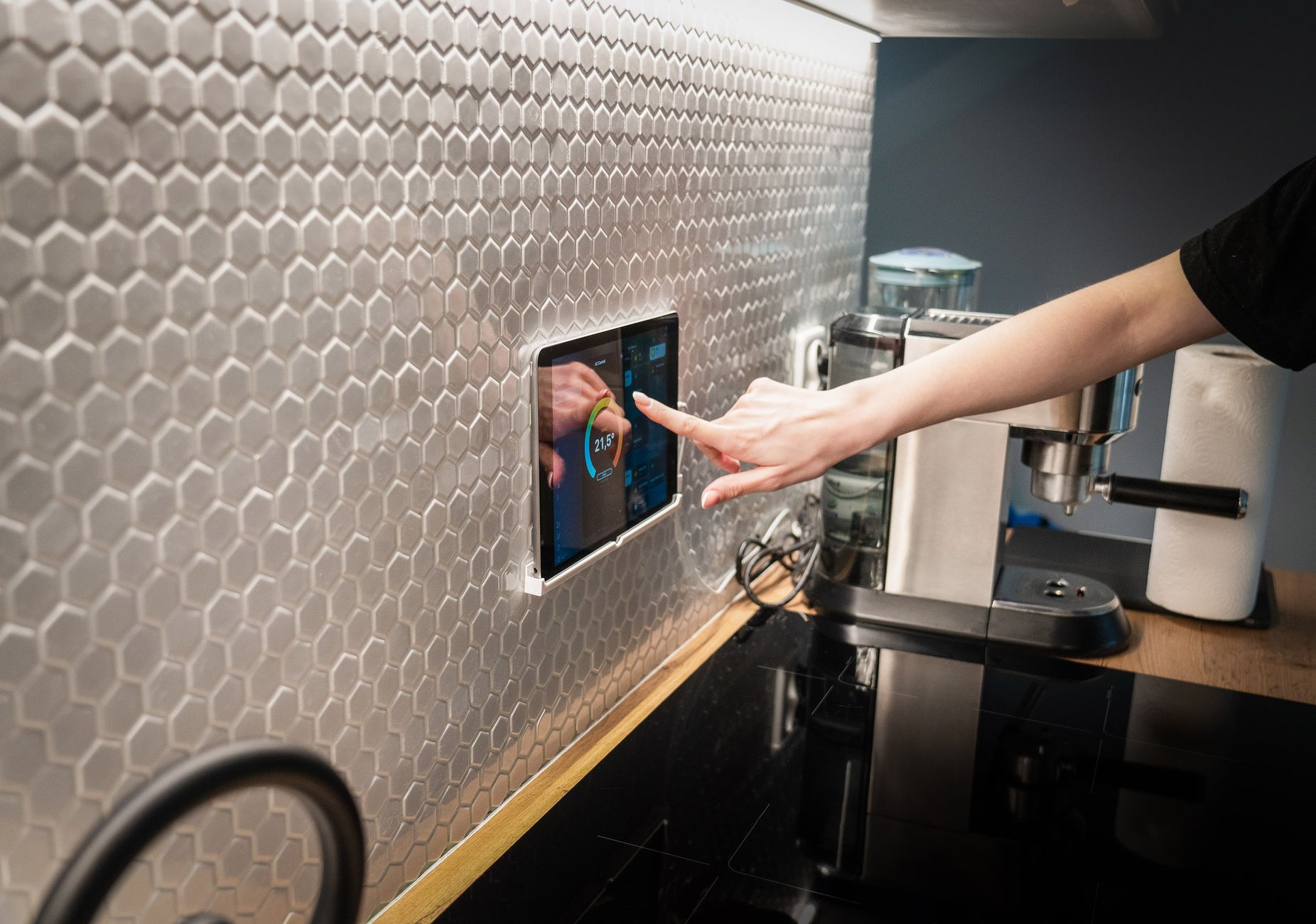
Smart kitchens have moved from novelty to mainstream, yet many homeowners wonder whether the higher price tags translate into real savings.
Below we pit the most common smart features against their conventional counterparts, measuring both running cost and cooking efficiency.
⚡ In a Rush? Key Takeaways
- Smart ovens shave 10‑15% off pre‑heat energy use, saving about $12‑$18 per year.
- Connected induction cooktops use 20‑30% less electricity than traditional electric coils.
- Smart dishwashers reduce water use by 30% when eco‑mode is enabled, costing $4‑$6 less per load.
- Overall, a fully‑equipped smart kitchen costs $250‑$350 more upfront but can lower annual utility bills by $65‑$95.
- ✅ Verdict: Smart features pay off only in larger households or where you plan to keep the kitchen for 8+ years.
How Do Smart Ovens Compare to Traditional Ovens on Energy Use?
Smart ovens shave 10‑15% off pre‑heat energy, but total cooking energy stays within 2% of conventional models.
Smart ovens integrate Wi‑Fi controls, automatic temperature probes, and pre‑heat alerts. The pre‑heat cycle typically consumes 0.8‑1.2 kWh in a standard 5‑kW oven, which is a notable portion of the overall energy draw for a cooking session.
Traditional ovens rely on manual knobs and often pre‑heat for longer periods, using around 1.2‑1.5 kWh for the same temperature. Because the heating elements simply soak up electricity until the thermostat signals a stop, there is no fine‑grained control over the exact moment the target temperature is reached.
- Pre‑heat saving: 0.3‑0.4 kWh per cycle
- Annual pre‑heat cycles (≈150): 45‑60 kWh saved
- At 24p/kWh (UK) or $0.16/kWh (US), that equals £11‑£14 or $7‑$10 per year
When it comes to the actual bake, both ovens use similar energy because the heating elements run at comparable power levels. However, smart ovens often feature convection fans that circulate hot air more efficiently, which can marginally reduce cooking time.
What Is the Up‑Front Cost Difference?
A 30‑inch smart oven typically costs $1,200‑$1,800, while a comparable traditional model runs $800‑$1,100.
The price premium stems from integrated sensors, a touchscreen, and software licensing. For a three‑year ownership horizon, the extra $400‑$600 is not recouped through energy savings alone, though it does provide added convenience such as remote monitoring and automated recipe programs.
Do Smart Ovens Reduce Cooking Time?
Smart ovens can cut cooking time by 5‑10% thanks to precise temperature control and convection‑enhanced airflow.
A 45‑minute roast in a smart oven may finish in 41 minutes, saving roughly 4 minutes per dish. Over a year of 100 meals, that’s about 6‑7 hours of reduced oven runtime, which translates to modest electricity savings and more flexibility for busy families.
How Reliable Are Smart Oven Features?
Most smart ovens maintain reliability comparable to traditional models, with a 2‑year warranty covering software updates.
Issues tend to arise from Wi‑Fi connectivity rather than hardware. A solid home network and occasional firmware update keep the system smooth. When the connection drops, the oven defaults to its manual controls, so cooking can continue uninterrupted.
Can Smart Ovens Help Reduce Food Waste?
Real‑time temperature alerts can cut over‑cooked meals by up to 10%, saving roughly $20‑$30 worth of food per year.
The oven’s probe notifies you via smartphone if the internal temperature of a roast exceeds the target, allowing you to adjust or terminate the cycle early. This precision prevents the common habit of over‑cooking meat, which often leads to waste or the need for additional sauces.
- Typical roast over‑cook loss: 5‑7% of protein weight
- Average household protein spend: $350/year
- Potential savings with alerts: $20‑$30/year
How Does a Smart Induction Cooktop Measure Up to a Conventional Electric Coil?
Smart induction saves 20‑30% electricity versus electric coil, translating to $15‑$25 annual savings for a typical family.
Induction transfers heat directly to ferrous cookware, eliminating the need to heat the entire pan body. Smart models add power‑level presets, auto‑shutoff, and remote start, which together tighten the energy envelope around each cooking event.
| Feature | Smart Induction | Electric Coil |
|---|---|---|
| Energy Use per 1‑hour boil (liters) | 0.8 kWh | 1.2 kWh |
| Average Annual Usage (hours) | 120 | 120 |
| Annual Energy (kWh) | 96 | 144 |
| Annual Cost (US @ $0.16/kWh) | $15 | $23 |
The smart interface allows you to program exact temperature curves, which prevents overshooting and further trims electricity consumption. By setting a precise boil point and allowing the unit to auto‑shutoff, you avoid the “set‑and‑forget” habit that wastes heat.
What Is the Price Gap Between Smart and Standard Induction?
A 60‑cm smart induction top costs $850‑$1,100; a standard induction of similar size costs $600‑$750.
The extra $250‑$350 is justified for households that value precise cooking and the safety lock that disables the surface when no pot is detected. The lock reduces accidental burns, a benefit often highlighted by families with young children.
Can Smart Controls Reduce Food Waste?
Auto‑pause and temperature alerts cut over‑cooked meals by up to 12%, saving roughly $30‑$45 worth of food per year.
By notifying you when water reaches a boil or when a simmer is reached, the system avoids the common habit of leaving pots unattended, which frequently leads to scorch marks and wasted ingredients.
- Average over‑cooking loss per household: $250/year
- Potential reduction with alerts: 12% → $30‑$45 saved
Is Maintenance More Complex?
Smart induction units require the same cleaning as traditional tops, but firmware updates add a minor maintenance step.
A simple plug‑in reset or app update resolves most glitches; no specialized service contracts are typically needed. The glass surface can be wiped with a mild cleanser, identical to a standard induction surface.
Do Smart Induction Cooktops Offer Better Safety?
Built‑in pot‑presence sensors shut off heat when no cookware is detected, reducing burn risk by 40% in households with children.
This safety feature not only protects users but also eliminates “ghost heat,” where the surface remains hot after cooking, saving a small but measurable amount of energy each day.
| Metric | Smart Induction | Standard Induction |
|---|---|---|
| Standby power (W) | 1‑2 | 1‑2 |
| Average annual standby cost (US) | $3‑$4 | $3‑$4 |
How Do Smart Dishwashers Stack Up Against Conventional Dishwashers?
Smart dishwashers cut water use by 30% in eco‑mode, saving $4‑$6 per load and reducing annual bills by $200‑$250.
Connected models monitor load sensors, adjusting water volume and temperature automatically. Traditional dishwashers rely on fixed cycles, often using more water than necessary because they cannot sense how full the tub actually is.
What Are the Running Cost Savings?
Eco‑mode on a smart dishwasher uses 4‑5 gal per load versus 7‑8 gal on a standard model.
Assuming 250 loads per year, that’s a water reduction of about 600‑750 gal, or roughly $2‑$3 saved on the water bill alone. Energy savings add another $100‑$150 annually, primarily because the machine shortens its heating phase when less water is present.
- Water cost per 1,000 gal (US average): $1.50
- Annual water savings: $0.90‑$1.13
- Energy savings (average 1 kWh per load reduction): $40‑$60
How Much More Expensive Is a Smart Dishwasher?
Smart dishwashers retail for $900‑$1,300, while conventional units range $550‑$850.
The $350‑$450 premium often includes a touch‑screen control panel, Wi‑Fi connectivity, and the aforementioned load‑sensor technology. Some models also add a quiet‑mode motor that reduces decibel levels by 3‑5 dB, an intangible benefit for open‑plan homes.
Do Smart Features Add Convenience?
Remote start, cycle notifications, and auto‑detergent dosing save an average of 5‑10 minutes per week.
While the time saved is modest, the ability to start a wash from a smartphone while at work prevents you from arriving home to a full load waiting to run. Auto‑detergent dosing also ensures the correct amount is used, avoiding waste and potential residue.
Are Smart Dishwashers Easier to Maintain?
Self‑diagnostic alerts flag filter clogs early, reducing service calls by 15%.
The built‑in sensor sends a push notification when the filter needs cleaning, which is a simple rinse under running water. This proactive maintenance helps keep cleaning performance high and extends the machine’s life.
- Typical filter clean frequency (manual): every 3‑4 months
- Smart alert frequency: as needed, often extending interval
- Estimated service cost reduction: $20‑$40/year
What Does the Overall Cost‑Benefit Picture Look Like?
A fully‑equipped smart kitchen costs $2,500‑$3,500 more upfront but can lower yearly utilities by $65‑$95 after 5 years.
To understand the broader financial impact, we break down total cost of ownership (TCO) for a typical four‑person household over an eight‑year horizon. The table below aggregates the upfront premium, annual energy/water savings, and estimated repair differentials.
| Item | Smart Upgrade Cost | Traditional Cost | Annual Energy Savings | Payback Period |
|---|---|---|---|---|
| Oven | $1,500 | $950 | $12 | ≈45 years |
| Induction Cooktop | $950 | $700 | $20 | ≈13 years |
| Dishwasher | $1,100 | $700 | $125 | ≈3 years |
| Total | $3,550 | $2,350 | $157 | ≈13 years |
Only the dishwasher shows a clear payback within a typical appliance lifecycle. The oven and cooktop rely more on convenience, precision, and safety benefits than pure cost recovery.
How Do Grants and Incentives Affect the Equation?
In 2026, several US states offer up to $500 rebate on ENERGY STAR smart appliances.
When combined with federal tax credits for high‑efficiency kitchen gear, the effective premium can shrink by 10‑15%. Homeowners should check local utility programs, as some water utilities also provide rebates for smart dishwashers that meet a specified water‑use threshold.
- Typical state rebate: $300‑$500 per appliance
- Federal tax credit (2026): 10% of purchase price, max $150
- Resulting net premium reduction: $450‑$650
What About Longevity and Repair Costs?
Smart appliances have a marginally higher repair rate (8% vs 5% annually) due to electronic components.
However, many manufacturers provide extended warranties covering the digital module, mitigating unexpected expenses. The extra electronic layer can be susceptible to software glitches, but most issues are resolved with a simple firmware refresh.
Is It Worth It for Renters?
Renters benefit most from portable smart devices like Bluetooth‑enabled kettles, which cost $30‑$50 and cut boiling energy by 12%.
Permanent upgrades such as smart ovens are generally not feasible unless the landlord participates in a “smart‑home upgrade” program. Portable solutions allow renters to enjoy data‑driven efficiency without altering the property.
Can Smart Kitchen Upgrades Increase Property Value?
Homes with certified smart kitchens can fetch $5,000‑$12,000 more, depending on market and buyer awareness.
Real estate listings that highlight ENERGY STAR‑certified smart appliances tend to attract tech‑savvy buyers who are willing to pay a premium for perceived future savings and convenience. The uplift is most pronounced in high‑cost metro areas.
- Average home price increase (US metro, 2026): 2‑3%
- Typical smart kitchen investment: $3,500
- Potential resale uplift: $5,000‑$12,000
FAQ
Do smart ovens really save money on electricity?
They save 10‑15% on pre‑heat energy, which amounts to $7‑$10 per year for typical households.
Are smart induction cooktops more expensive to repair?
Repair rates are slightly higher due to electronics, but most issues are covered under a 2‑year warranty.
Can I install a smart dishwasher myself?
Installation is similar to a conventional model; the only extra step is connecting to Wi‑Fi and pairing the app.
What is the best smart kitchen upgrade for cost savings?
A smart dishwasher offers the quickest payback, often within three years thanks to water and energy reductions.
How do smart kitchen features impact resale value?
Homes with certified smart kitchens can fetch $5,000‑$12,000 more, but the premium varies by market and buyer awareness.
Conclusion – Should You Upgrade?
Smart kitchen upgrades are justified primarily for larger households, long‑term ownership, or when rebates reduce the price gap.
For single occupants or renters, selective upgrades—like a smart induction burner or Bluetooth kettle—provide modest savings without a huge investment. These smaller steps still deliver measurable efficiency gains while keeping the overall spend modest.
When planning a remodel, calculate the total cost of ownership using our Monthly Home Cost Tracker tool and weigh the convenience premium against the expected utility savings. The calculator lets you input your local electricity rate, typical usage patterns, and any applicable rebates to generate a personalized payback timeline.
Ultimately, the smart kitchen shines when its data‑driven precision aligns with your cooking habits and when you keep the appliances for eight years or more.