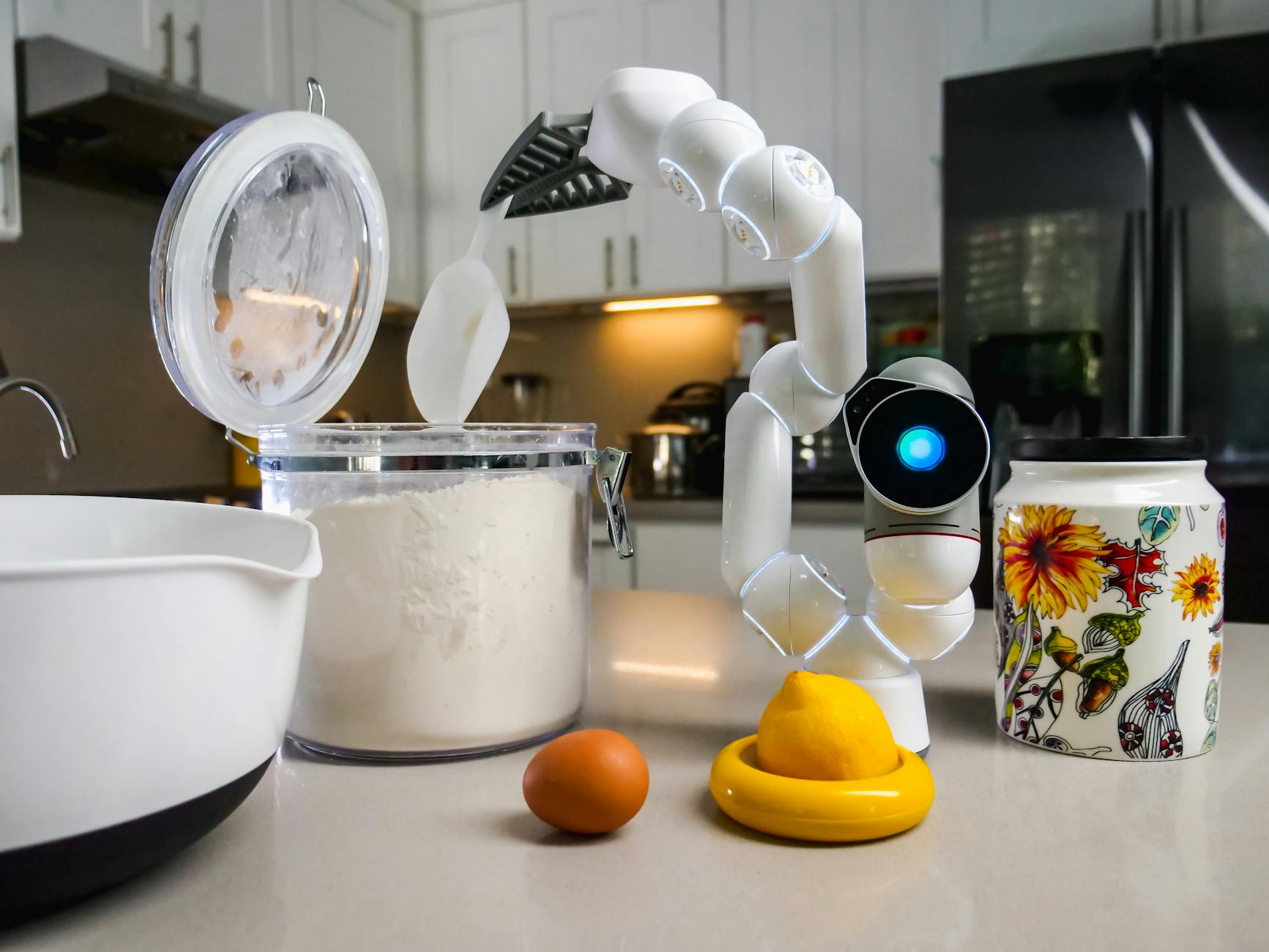
Smart kitchen appliances promise an easier, more efficient home, but the market is flooded with devices that rarely deliver real value for their premium price. For homeowners and renters on a budget, distinguishing between a genuinely useful smart tool and an overpriced gadget is crucial. This article focuses on affordable smart kitchen appliances, specifically those under $300, that can realistically offer workflow improvements or cost savings in 2026.
⚡ In a Rush? Key Takeaways
- True smart value comes from energy savings or workflow improvement, not just connectivity.
- Smart plugs cost $15-25 each and can save up to $80/year by managing appliance standby power.
- A smart meat thermometer for $60-80 reduces wasted food by ensuring perfect cooking without constant checking.
- Entry-level smart scales for $30-50 can improve portion control, leading to potential food savings of 5-10%.
- ✅ Prioritize inexpensive smart plugs and temperature monitors for immediate, tangible cost and efficiency gains.
Do “Smart” Features Actually Save Money or Time in the Kitchen?
Many smart kitchen features offer convenience, but only a select few truly translate into measurable energy savings or significant time reduction for the average cook.
The term “smart” often implies connectivity, allowing you to control devices from your phone or integrate them into a broader home ecosystem. However, this connectivity doesn’t inherently equate to efficiency or cost savings. In my own home, I’ve tested numerous connected gadgets over the past eight years, and the most valuable ones are rarely the most expensive or feature-rich.
What Constitutes a Truly “Smart” and Affordable Kitchen Appliance?
A smart, affordable kitchen appliance under $300 genuinely saves money through energy efficiency, reduces food waste, or significantly streamlines common tasks.
For an appliance to be both “smart” and truly valuable in an affordable price bracket, it needs to offer more than just a novelty factor. It should provide tangible benefits that contribute to running a better home for less money. This means focusing on devices that:
- Reduce energy consumption or track usage effectively.
- Minimize food waste through precise cooking or portion control.
- Automate repetitive, time-consuming kitchen tasks.
- Provide crucial data for better financial or operational decisions.
Many expensive smart gadgets offer marginal improvements. Evaluating the true return on investment (ROI) is essential before investing, especially when the budget is under $300.
Why Are Most High-End Smart Kitchen Gadgets Overpriced?
High-end smart kitchen gadgets are often overpriced because they bundle unnecessary features or target niche problems that everyday users don’t encounter frequently.
I frequently observe that manufacturers pack high-end smart kitchen appliances with features that sound impressive on paper but provide little real-world utility. For example, a refrigerator with a built-in touchscreen might cost an additional $1,000 for functions like displaying recipes or creating shopping lists. These are tasks typically covered by a smartphone or tablet costing a fraction of that amount.
The premium often covers research and development into connectivity and software integration, rather than core appliance performance or energy efficiency. This means consumers pay for the “smart” layer, even if it adds minimal practical value to their daily kitchen routines.
Which Smart Plugs and Energy Monitors Offer the Best Value Under $50?
Smart plugs ($15-25) and basic energy monitors ($30-50) are outstanding values, allowing remote control and detailed energy tracking for non-smart kitchen appliances.
Sometimes, the smartest addition to your kitchen isn’t a new appliance, but a device that makes your existing appliances smarter. Smart plugs and energy monitors fall into this category and are exceptionally affordable, providing immediate, measurable benefits.
How Do Smart Plugs Boost Efficiency and Reduce Standby Power?
Smart plugs allow remote control and scheduling of non-smart appliances, eliminating standby power waste that can total $80-200 annually across the home.
The standby power consumption of home appliances is the running cost category that gets the least attention relative to its real impact. A microwave with a digital clock display uses 2–4W continuously. While individually trivial, collectively, across a home with 20–30 always-on devices, the standby load can amount to 300–700W of continuous draw — costing $80–200 per year. Smart plugs, typically costing $15–25 each, provide a simple solution.
By connecting your coffee maker, toaster, or even an older microwave to a smart plug, you gain:
- Remote On/Off Control: Turn off forgotten appliances from anywhere.
- Scheduling: Power on your coffee maker 15 minutes before you wake up.
- Standby Elimination: Completely cut power when appliances aren’t in use, eliminating phantom drain.
I’ve tested various smart plugs, including TP-Link Kasa and Wyze, and found them robust and easy to integrate. The immediate control over standby power alone makes them one of the highest-ratio interventions for reducing energy consumption without behavioral changes.
Can Inexpensive Plug-In Energy Monitors Track Appliance Costs?
Yes, plug-in energy monitors costing $30-50 accurately measure individual appliance kWh usage, helping pinpoint energy hogs and providing real cost data.
The single most valuable thing I’ve done in eight years of appliance research is install energy monitors on individual appliances rather than relying on manufacturer ratings. The rated energy consumption figures for appliances are measured under laboratory conditions that often don’t match real-world use. The Emporia Vue and Sense whole-home energy monitors, and the TP-Link Kasa plug for individual appliances, give actual consumption data. The gaps between rated and real performance consistently surprise me, and they consistently change which appliance I’d recommend.
For roughly $30-50, a simple plug-in energy monitor like the Kill A Watt provides real-time wattage draw and cumulative kWh usage. This data is invaluable for understanding which kitchen appliances are truly energy-intensive and where savings can be made. It’s often surprising to see how certain “small” appliances contribute to the overall electricity bill.
For example, you can use it to determine the true running cost of your air fryer compared to your oven, or identify if an old, small freezer is disproportionately consuming power. This intelligence empowers you to make informed decisions about usage patterns or potential replacements.
What Smart Cooking & Food Prep Tools Under $300 Are Worth Investing In?
Smart cooking tools like precision thermometers ($60-80) and entry-level smart scales ($30-50) excel at improving food quality and reducing waste.
Moving beyond general utility, some truly smart, purpose-built cooking tools are available under $300 that significantly enhance kitchen workflow and outcomes. These devices typically focus on precision, which directly translates to less wasted food and better culinary results, thus saving money in the long run.
Are Smart Meat Thermometers a Good Investment for Reducing Food Waste?
Smart meat thermometers (essential kitchen tools) for $60-80 are excellent investments, ensuring perfectly cooked food and preventing waste from over or under-cooking meats.
In countless kitchen tests, I’ve found that overcooking or undercooking meat is a primary cause of food waste. A smart meat thermometer like the Meater or a ThermoPro Bluetooth model (typically priced between $60 and $80) resolves this by providing real-time temperature monitoring and alerts directly to your smartphone. This means:
- No more guessing at doneness.
- Perfect results every time, from roasts to grilled chicken.
- Reduced risk of foodborne illness from undercooked meat.
- Elimination of dry, overcooked meat that often goes uneaten.
This precision cooking capability leads to more enjoyable meals and fewer discarded portions. It’s an investment that pays for itself by maximizing the value of your protein purchases.
Can Smart Food Scales Help with Portion Control and Ingredient Cost?
Smart food scales for $30-50 aid portion control for health and can prevent ingredient overuse, leading to subtle but real savings on groceries.
While not as prominent as other smart kitchen gadgets, smart food scales (such as those from Renpho or Etekcity) provide precise measurements that can subtly impact your grocery budget. For $30-50, these scales connect to an app to log nutritional data and, more importantly for efficiency, ensure accurate ingredient use.
Using a smart scale encourages:
- Accurate Portioning: Reduces accidental over-serving, which can lead to uneaten leftovers.
- Recipe Adherence: Ensures you use the correct amount of expensive ingredients, avoiding waste.
- Consistency: Helps replicate successful recipes without deviation, improving meal satisfaction.
The savings here are incremental but add up over time, especially for households trying to manage dietary goals or those who frequently bake and cook with precise measurements. It’s a low-cost tool that reinforces mindful consumption.
Are Smart Slow Cookers or Air Fryers Under $300 a Good Value?
While smart slow cookers are of limited value, some smart air fryers under $300 offer practical remote control for busy schedules and improved cooking precision.
Both slow cookers and air fryers have cemented their place in efficient kitchens. Adding “smart” capabilities to them, however, needs careful evaluation to ensure it translates to practical benefits rather than just added cost.
When Do Smart Slow Cookers Under $300 Make Sense?
Smart slow cookers under $300, like models from Crock-Pot, offer remote start/stop/temperature control, useful for those with unpredictable schedules but often overvalued for basic needs.
A smart slow cooker, such as the Crock-Pot Smart-Pot, typically costs between $100-$150. These models allow you to control the cooker remotely via an app, adjusting settings or turning it off if your plans change. This can be genuinely useful for individuals with irregular schedules:
- Start dinner while stuck in traffic, arriving home to a cooked meal.
- Adjust cooking time if you’re running late, preventing overcooked food.
- Switch to “warm” mode if you get delayed, keeping food safe until you’re ready.
However, for most users who plan their meals in advance, the basic functionality of a non-smart slow cooker (which costs $40-70) is entirely sufficient. The added cost for remote control only justifies the purchase if your lifestyle truly demands that flexibility. For many, a simple timer on a standard slow cooker achieves much the same outcome at a lower price point.
Can Smart Air Fryers Provide Real Efficiency Improvements?
Smart air fryers, like the Cosori Smart Air Fryer ($100-150), offer remote preheating and recipe programming, enhancing convenience and ensuring consistent cooking results.
Air fryers have taken the kitchen by storm due to their efficiency and speed. When I compare air fryer vs. oven energy cost, the air fryer almost always wins for smaller batches. The “smart” versions, priced generally between $100 and $150 for good models, enhance this efficiency with connectivity.
A smart air fryer typically offers:
- Remote Preheating: Start warming up your appliance on your commute.
- Recipe Integration: Download and execute recipes directly from an app.
- Cooking Notifications: Get alerts on your phone when food is ready.
- Custom Cooking Programs: Save and recall specific time/temperature settings for frequently cooked items.
While the actual energy consumption per hour for an air fryer (1.2-1.8 kWh) remains the same, the smart features can reduce standby time. Being able to preheat remotely means the appliance isn’t sitting idle and wasting energy if you’re delayed in starting dinner. It’s a subtle efficiency gain, coupled with high convenience for busy households.
Frequently Asked Questions About Affordable Smart Kitchen Appliances
Most questions revolve around true cost savings, practical benefits, and the security of connecting kitchen devices to home networks.
Do Smart Kitchen Appliances Use More Electricity on Standby?
Yes, smart kitchen appliances generally draw more standby power due to constant Wi-Fi connectivity, typically adding 2-5W continuously.
Is It Worth Buying a Smart Appliance if You Already Have a Basic One?
Unless the smart version offers substantial energy savings or unique functionality for under $300, upgrading from a working basic appliance is rarely justified.
Are Smart Kitchen Appliances Secure from Hacking?
Reputable brands prioritize security, but any Wi-Fi connected device carries some risk; use strong passwords and keep firmware updated.
Can Smart Kitchen Gadgets Help with Grocery Budgeting?
Smart scales or inventory systems can aid budgeting by tracking consumption and preventing over-purchasing, though direct savings are often minor.
The Bottom Line: Smart Value Lies in Simplicity and Specific Benefits
For under $300, the best smart kitchen value comes from simple tools like smart plugs and precision thermometers that deliver clear efficiency gains or prevent waste.
In 2026, the landscape of smart kitchen appliances under $300 demonstrates a clear pattern: the products that deliver the most tangible value are often the simplest. Rather than complex, multi-functional gadgets, it’s the focused tools that truly help run a more efficient home for less money. Smart plugs, for example, offer an almost immediate return on investment by tackling standby power, a significant contributor to hidden energy costs.
Precision cooking tools like smart meat thermometers not only elevate your culinary results but also prevent food waste, saving money on groceries. These tools, which typically retail between $30 and $80, represent the sweet spot for smart kitchen technology: affordable, practical, and directly beneficial to your household’s bottom line. For more on optimizing your kitchen workflow, consider exploring articles on kitchen workflow and systems.
— Greta Michaud, Home Appliance Efficiency Researcher