Air purifiers are effective tools for reducing indoor particulate matter and allergens, but their value depends entirely on matching the device’s CADR rating to your specific room volume. While marketing often suggests universal benefits, a unit designed for a small bedroom will struggle in an open-plan living area, leading to wasted electricity and premature filter failure.
⚡ In a Rush? Key Takeaways
- Standard HEPA purifiers consume 30–80 watts, costing roughly $40–$90 annually to run 24/7.
- Replacement filters represent 60% of the total 5-year cost of ownership for most units.
- Always match the Clean Air Delivery Rate (CADR) to your room size for efficiency.
- ✅ Best value: Choose a unit with a verified HEPA filter and affordable filter subscription.
How Much Does It Cost to Run an Air Purifier Monthly?
Running a standard HEPA purifier 24/7 costs approximately $3–$8 per month, depending on the fan speed setting and your local utility rate.
What is the typical electricity draw for a modern unit?
Most modern residential air purifiers draw between 30 and 80 watts when running on their medium fan speed settings for home use.
To calculate your specific cost, look at the wattage listed on the nameplate. A 50-watt unit running continuously for 30 days consumes 36 kWh. At a national average rate of $0.16 per kWh, you are looking at a predictable monthly expenditure.
- Low speed: 10–20 watts (near silent, minimal air turnover)
- Medium speed: 40–60 watts (optimal for most living rooms)
- Turbo speed: 80–120 watts (maximum noise and high energy usage)
How do filter replacement costs impact total ownership?
Replacement filters cost $40–$120 annually; these are the primary expense, often exceeding the total electricity cost of the device.
Ignoring filter replacement is a common mistake that actually increases energy costs. As filters clog, the motor must work harder to pull air through, which can increase electricity draw by up to 15% before the unit eventually fails.
| Component | Typical Annual Cost |
| Electricity | $40–$90 |
| Replacement Filters | $60–$120 |
| Total Annual | $100–$210 |
Is an Air Purifier Actually Effective for Home Allergies?
HEPA filters capture 99.97% of particles at 0.3 microns, providing measurable relief for those suffering from dust, pollen, and pet dander.
Do air purifiers work better than basic HVAC filters?
Standalone air purifiers move air through a dedicated, high-density HEPA filter, far exceeding the filtration capability of standard furnace filters.
Your HVAC system’s central filter is designed primarily to protect the blower motor from large debris, not to clean your indoor air. A standalone unit acts as a dedicated scrubber for the room you occupy most often. For deeper insights into home maintenance, see my guide on home maintenance and energy efficiency.
Should you run an air purifier in a bedroom or living room?
Focus your filtration budget on the bedroom, where you spend eight hours daily in a controlled environment with fewer airflow disturbances.
By limiting the volume of air the machine must cycle, you can run the unit on a lower, quieter, and more efficient setting. This approach maximizes the life of your filter compared to running the unit in a high-traffic area. Balancing these costs is similar to managing other home office and room running costs.
What Should You Look for When Buying an Air Purifier?
Prioritize a certified HEPA filter, an appropriate CADR for your square footage, and readily available, reasonably priced replacement filters.
Why does the CADR rating matter for efficiency?
The CADR measures cubic feet of clean air per minute; a higher number allows the unit to clean the room faster and return to idle mode.
An undersized unit will run at maximum power constantly, wasting energy and creating unnecessary noise. If you are also interested in keeping your home climate steady, check out my thoughts on optimizing your bedroom and sleep environment.
Are ‘smart’ air purifier features worth the price increase?
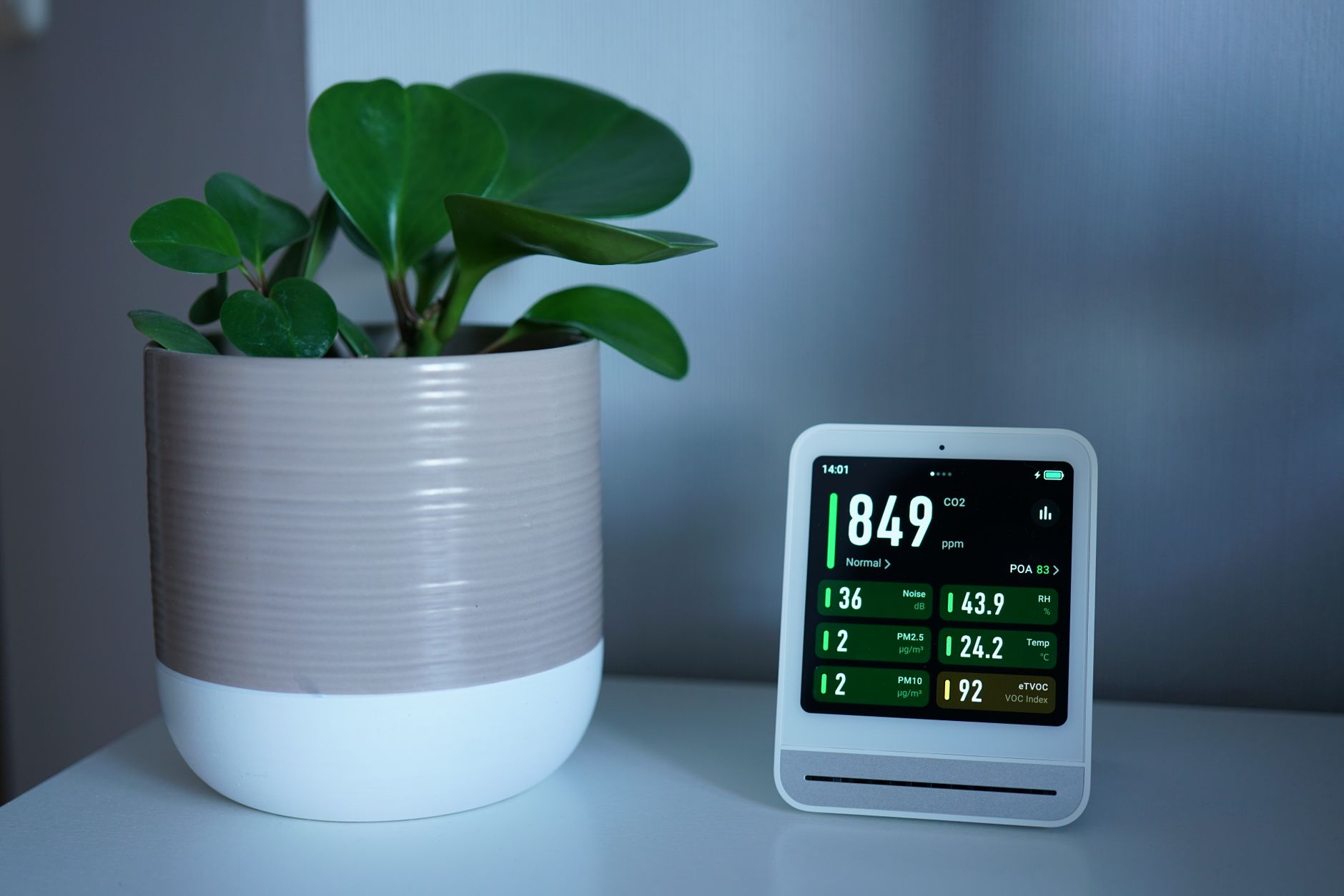
Smart sensors monitor air quality and adjust fan speeds automatically, potentially saving energy by slowing the motor when air is clean.
While the initial cost is higher, the automation ensures you aren’t paying to clean air that is already pristine. If you find your home is still stuffy, consider if the issue is ventilation rather than purification.
Frequently Asked Questions
Does leaving an air purifier on 24/7 damage the motor?
No, air purifiers are designed for continuous operation; however, running them on high for extended periods will accelerate filter wear.
Can an air purifier reduce my dusting requirements?
Yes, units effectively capture airborne dust before it settles, which can reduce the frequency of manual dusting in smaller rooms.
How do I know when the filter actually needs replacing?
Most modern units have a light indicator, but you should inspect the filter visually every 3 months for heavy discoloration or buildup.
Will an air purifier remove cooking odors?
Only if the unit includes an activated carbon filter layer specifically designed to neutralize gas-phase pollutants and kitchen odors.
The Verdict on Air Purifiers
Air purifiers are a high-value investment for allergy sufferers, provided you budget for annual filter costs and match unit size to your space.
If your goal is health-related symptom relief, the running cost is a small price to pay for cleaner air. If your goal is simply dust reduction, regular cleaning and better HVAC filters may be more cost-effective solutions. Always prioritize a unit with a verified HEPA certification to ensure your energy spend is actually translating into cleaner air. — Greta Michaud, Home Appliance Efficiency Researcher