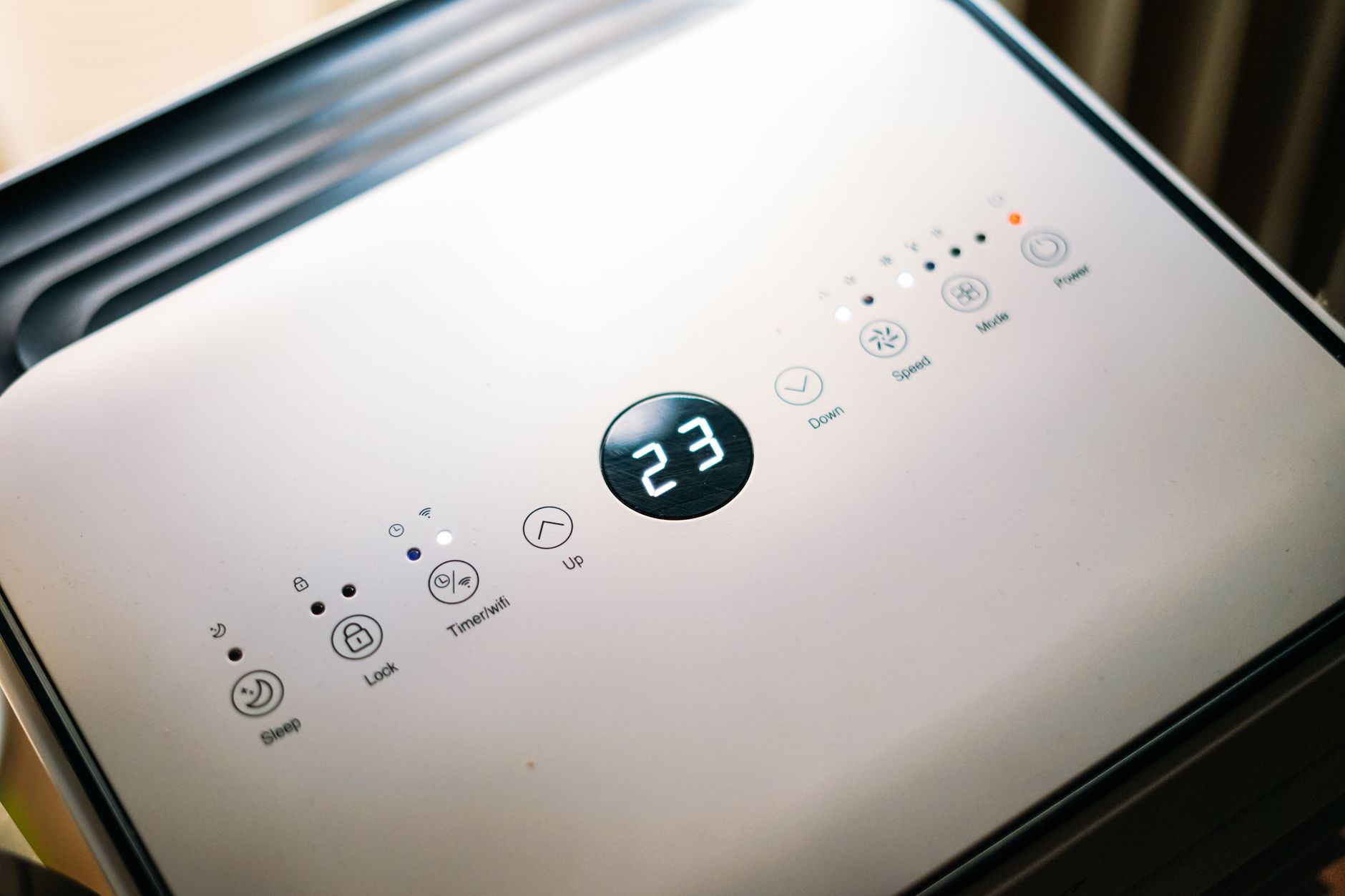
Dehumidifiers are energy-efficient tools for controlling moisture levels between 40% and 60% relative humidity, provided you size the unit correctly for your room volume. While they do consume electricity, the long-term cost of avoiding structural damp, mould growth, and timber rot far outweighs the monthly operating expense of a quality model.
⚡ In a Rush? Key Takeaways
- Most modern compressor dehumidifiers cost between $0.04 and $0.12 per hour to run.
- Maintaining 50% humidity can reduce heating bills by up to 10% in winter months.
- Desiccant models consume more energy but perform reliably in rooms below 15°C.
- Running an appropriately sized unit 8 hours daily costs ~$12–$20 per month total.
- ✅ Best value: Choose a unit with an integrated humidistat to avoid unnecessary operation.
How Much Electricity Does a Dehumidifier Use Monthly?
A standard residential dehumidifier uses 250–700 watts, costing $10–$25 monthly if operated for 8 hours daily at average US electricity rates.
How does compressor type affect energy consumption?
Compressor dehumidifiers use 250–400 watts, while desiccant models draw 400–700 watts to heat internal air and remove moisture efficiently.
In eight years of testing appliances, I have found that the technology inside the casing determines your bill more than the brand name. Compressor units function like refrigerators, cooling coils to condense water, which is generally more energy-efficient in standard household temperatures.
Desiccant models use a chemical wheel to absorb moisture, which requires heat to regenerate. They are significantly less efficient in warm rooms but remain the only choice for unheated spaces like garages or cold cellars.
- Compressor: Efficient at 18°C+ room temperature
- Desiccant: Necessary for rooms below 15°C
- Hybrid: Expensive upfront but adjusts to seasonal changes
Does a higher extraction rate mean higher power usage?
Higher extraction rates generally correlate with higher wattage because larger internal fans and compressors are needed to process air.
There is a persistent myth that a 20-litre dehumidifier consumes twice the power of a 10-litre unit. In reality, the larger machine will reach your target humidity much faster, allowing it to shut off sooner, which often results in similar or lower net energy usage.
If you are interested in how other appliances impact your overheads, see my guide on appliance performance and buying intelligence to help balance your utility footprint.
How to size a dehumidifier for your space
Select a unit whose pint‑per‑day rating matches the square footage and typical moisture load of the room to avoid short‑cycling or continuous run.
As a rule of thumb, a 20‑pint model suits spaces up to 1,000 sq ft with moderate dampness, while a 30‑pint unit handles 1,000–1,500 sq ft or areas with higher moisture sources such as basements or laundry rooms. For very large or consistently wet environments (over 1,500 sq ft or frequent flooding), look for 40‑pint or larger capacity.
Always check the manufacturer’s coverage chart and consider ceiling height; rooms with tall ceilings need a higher capacity because the total air volume is greater. Oversizing slightly is preferable to undersizing, as the unit will cycle off once the set humidity is reached, saving energy compared to a too‑small unit that runs continuously.
Is a Dehumidifier Worth the Cost for Your Home?
Dehumidifiers save money by protecting structural integrity and lowering the energy required to heat humid, moisture-dense indoor air.
How does humidity impact your home heating bill?
Dry air is significantly easier and cheaper to heat than damp air because water vapour requires more energy to reach high temperatures.
When your indoor air is humid, the furnace or central heating system must work harder to warm the moisture-laden particles before the room feels comfortable. Lowering humidity by 10% can make a room feel warmer at a lower thermostat setting, saving energy in the process.
If you are looking for more ways to manage your home energy usage, take a look at my energy efficiency hub for additional cost-saving tips.
What are the hidden costs of ignoring high indoor humidity?
Ignoring humidity leads to mould remediation, re-plastering, and timber replacement, which often exceed $2,000 for a single room.
The financial impact of damp often manifests as black mould behind wardrobes or peeling paint on exterior walls. These are not just aesthetic issues; they represent the structural degradation of your home’s finishings.
| Problem | Repair Cost Range |
|---|---|
| Mould Treatment | $150–$500 |
| Plaster/Drywall Patch | $300–$800 |
| Timber Rot/Floor Repair | $1,000+ |
Frequently Asked Questions
-
Should I leave my dehumidifier on all day?
No, you should use a built-in humidistat to let the unit cycle on and off based on the actual moisture levels in your home.
-
Will a dehumidifier make my room too dry?
Most units have sensors that shut off when they reach your set percentage, preventing the room from dropping below your chosen level.
-
Are expensive dehumidifiers quieter than cheap ones?
Quiet operation is tied to fan design and compressor mounting, so premium models often justify the cost with significantly lower decibels.
-
How often should I clean the water tank and filter?
Empty the tank as needed, but wash the air filter monthly and clean the tank with mild soap every two weeks to prevent bacterial growth.
If you find that air quality is still an issue, explore my kitchen workflow and systems to see how better ventilation can also help manage moisture. Managing a home effectively requires a holistic look at how we cook, wash, and breathe in our spaces. For those needing exact ROI figures on their gear, my tools hub offers calculators to track your specific appliance usage.
— Greta Michaud, Home Appliance Efficiency Researcher