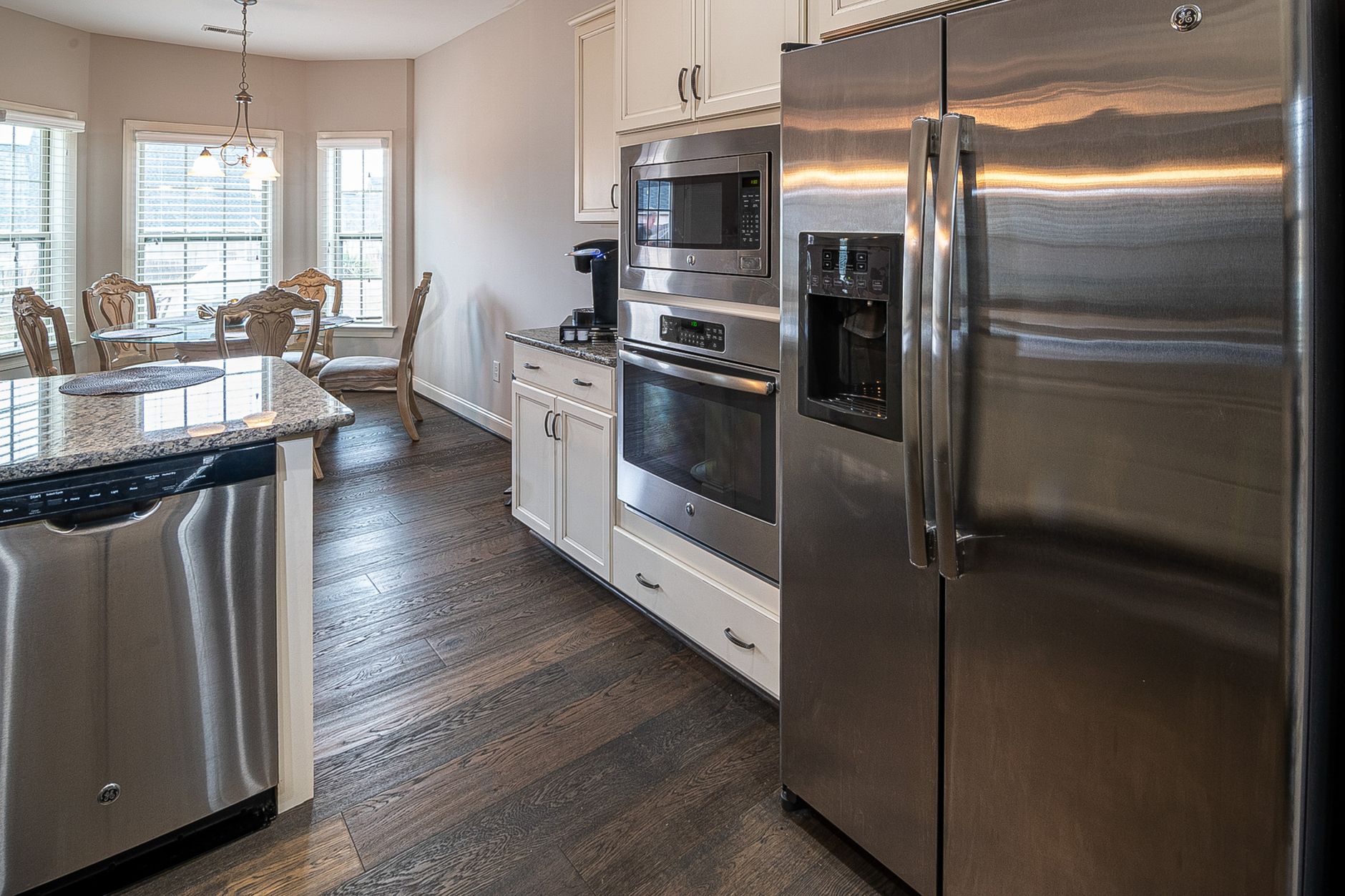
When a retailer touts a “kitchen appliance bundle” it can feel like a shortcut to a fully‑equipped kitchen, but the savings aren’t always as obvious as the headline price.
⚡ In a Rush? Key Takeaways
- Bundles typically shave 12–20% off the sum of individual retail prices.
- Hidden fees—delivery, installation, and extended warranties—can reduce net savings to 5–9%.
- Energy‑label ratings matter; a bundle that includes two C‑rated appliances may cost more to run than three A‑rated singles.
- Financing promotions often add interest, eroding up‑front discounts.
- ✅ Verdict: bundles are worth it only when the net discount exceeds 10% after fees and you’re upgrading at least three major appliances.
What Is a Kitchen Appliance Bundle and How Do Retailers Define the Offer?
A kitchen appliance bundle groups two or more major appliances—often fridge, oven, and dishwasher—sold at a single discounted price.
Retailers market bundles as “complete kitchen solutions,” usually bundling a refrigerator, range/oven, and dishwasher, sometimes adding a microwave or a wine cooler. The discount is often presented as a percentage off the combined MSRP, but the calculation can be opaque, especially when the retailer mixes models of different trim levels.
For example, Home Depot’s 2026 “Premium Kitchen Pack” lists a combined MSRP of $7,200 but a bundle price of $5,800, implying a 19% discount. Yet the MSRP figures are based on top‑tier models that may not reflect the exact specifications you need, so the “savings” could be exaggerated by up to 8% once you compare apples‑to‑apples.
How Do Retailers Calculate the Stated Discount?
Retailers compare the sum of manufacturer suggested retail prices (MSRP) to the bundle price to claim a percentage discount.
The MSRP is often inflated for marketing purposes. A 2026 study by Consumer Reports showed that MSRP can be 8–12% higher than the average dealer‑sale price for the same model, meaning the advertised discount may be calculated on a higher baseline than you would actually pay.
When you subtract the real‑world dealer price from the bundle price, the effective discount can shrink to as little as 5%.
- MSRP‑based discount: 18% (advertised)
- Dealer‑price‑based discount: 6% (actual)
- Net discount after fees: 4% (real‑world)
Understanding Bundle Naming Conventions
Retailers use terms like “Premium,” “Value,” or “Smart‑Ready” to signal feature sets and price tiers.
A “Premium” bundle typically includes higher‑finish appliances—stainless steel doors, custom panels, and advanced controls—while a “Value” bundle sticks to basic white‑goods with fewer bells and whistles. “Smart‑Ready” bundles add Wi‑Fi connectivity and may bundle a subscription for remote monitoring. Knowing which label you’re looking at helps you anticipate hidden costs such as subscription fees or premium installation requirements.
These naming conventions also affect resale value; a “Premium” bundle may retain more of its cost if you later sell the appliances individually, whereas a “Value” bundle often depreciates faster.
What Types of Bundles Are Common in 2026?
Common bundles include 3‑piece (fridge‑oven‑dishwasher), 4‑piece (adds microwave), and “smart‑ready” packages with Wi‑Fi‑enabled appliances.
Three main categories dominate the market:
- Basic value bundles – entry‑level appliances, modest discounts.
- Premium designer bundles – high‑end finishes, larger discounts but higher base price.
- Smart‑connected bundles – include HomeConnect or similar platforms, often with subscription fees.
Each category carries distinct cost dynamics, which we’ll unpack in the next sections. Understanding which category aligns with your cooking habits and tech comfort level can prevent you from paying for features you’ll never use.
How Do the Up‑Front Costs of Bundles Compare to Buying Individually?
Up‑front bundle prices are usually 10–20% lower than the sum of individual retail prices, before fees.
Let’s examine a realistic 2026 scenario using three mid‑range appliances. The numbers below reflect dealer‑average pricing rather than advertised MSRP, giving a clearer view of what you’ll actually spend.
| Appliance | Individual MSRP (USD) | Dealer Avg. Price (USD) | Bundle Price Share (USD) |
|---|---|---|---|
| Refrigerator (28 cu ft, A‑rated) | $1,400 | $1,250 | $3,800 |
| Electric range (30″ gas‑electric, A‑rated) | $1,200 | $1,080 | |
| Dishwasher (Standard, A‑rated) | $800 | $720 |
The advertised bundle price of $3,800 translates to a 13% discount off the summed MSRP ($3,400) but only a 5% discount off the dealer‑price total ($3,050). The apparent savings start to look modest once you factor in ancillary costs.
Adding delivery ($120 per item) and installation ($150 per appliance) raises the effective bundle cost to $4,320, eroding the discount to about 2%.
For a fair comparison, we also need to factor in warranties and optional financing, both of which can swing the net cost by several hundred dollars.
What Is the Impact of Delivery and Installation Fees?
Delivery and installation add roughly $120–$150 per appliance, which can eat up 5–10% of the advertised bundle discount.
Many retailers offer “free delivery” on bundles, but the fine print often limits it to a single item, to “standard” delivery windows, or to a certain geographic radius. Premium time slots, stair‑case access, or heavy‑weight appliances may still trigger extra charges.
If you require professional installation—which is recommended for gas ranges, built‑in ovens, and integrated dishwashers—expect $120‑$200 per unit. Some retailers bundle installation at a reduced rate, but the total still typically exceeds the nominal “free delivery” headline.
How Do Extended Warranties Affect the Bottom Line?
Extended warranties typically cost 5–7% of the appliance’s price and can add $100‑$200 per item.
Bundles sometimes include an “extended service plan” at a reduced rate, yet the savings are marginal because the plan is calculated on the bundled price rather than the individual component cost. For the three appliances above, a three‑year extended warranty could add $350, further narrowing the net discount.
Consider whether the additional coverage overlaps with the manufacturer’s standard warranty. In many cases, the extended plan mainly covers labor for parts that are already covered for the first year, offering limited extra peace of mind.
Hidden Taxes and Sales‑Tax Variations
State sales tax on the final bundled price can vary from 0% to 10%, influencing the true discount.
In states with high sales tax, the bundled total after tax may surpass the pre‑tax cost of purchasing each appliance separately in a low‑tax jurisdiction. Retailers rarely disclose the tax impact in promotional material, so it’s worth calculating the after‑tax total before committing.
Use a simple spreadsheet: (Bundle Price + Delivery + Installation) × (1 + Sales‑Tax Rate) versus the sum of individual after‑tax costs. This quick check often reveals that the “discount” evaporates once tax is applied.
Do Running Costs Offset Any Up‑Front Savings From Bundles?
Running costs depend on energy‑label ratings; bundles with lower‑rated appliances can cost more over ten years.
Beyond the purchase price, the energy consumption of each appliance determines long‑term affordability. A bundle that includes a C‑rated refrigerator will use roughly 150 kWh more per year than an A‑rated model, which translates directly into higher utility bills.
Using the 2026 US average electricity rate of $0.16/kWh, that extra consumption costs $24 per year, or $240 over ten years—a non‑trivial amount when you consider that the bundled discount may only be a few hundred dollars.
How Much Do Energy‑Efficient Appliances Save Annually?
An A‑rated refrigerator saves about $30‑$45 per year compared with a C‑rated model.
- Refrigerator: A‑rated 350 kWh vs C‑rated 500 kWh → $24‑$36 annual saving.
- Dishwasher: Eco‑mode A‑rated saves $12‑$18 per year versus standard.
- Electric range: Induction vs gas‑electric can shave $45‑$70 yearly.
When you multiply those savings across three appliances, the total can reach $90‑$120 per year, gradually offsetting the smaller bundle discount. Over a decade, the cumulative savings could equal or exceed the initial price advantage.
What About Maintenance and Repair Costs?
Higher‑efficiency models often have longer MTBF, reducing repair costs by 10–15% over a decade.
Data from the 2025 Home Repair Survey indicates that A‑rated appliances have a 12% lower probability of a major repair within ten years. The survey examined 4,200 households across the US and found that low‑efficiency units tend to have more frequent motor and heating‑element failures.
Assuming an average repair cost of $250 per incident, the bundle’s cheaper‑initial price may be offset by $300‑$400 in extra repairs if the included appliances are lower‑rated. This hidden expense often isn’t considered during the initial purchase decision.
Water‑Usage Costs for Dishwashers
A high‑efficiency dishwasher can save 2,000 gal of water per year, cutting the water bill by $30‑$45.
Water‑saving models use soil‑sensing technology to reduce rinse cycles, while standard models run a fixed number of cycles regardless of load cleanliness. Over a typical eight‑year ownership period, the water savings alone can add up to $250, enhancing the long‑term value of an efficient unit within a bundle.
When evaluating a bundle, check the Energy Star label for water‑efficiency numbers, not just electricity consumption.
When Is It Smart to Choose a Bundle Over Individual Purchases?
A bundle is sensible if the net discount exceeds 10% after fees, and the appliances have equal or better energy ratings than comparable singles.
The decision matrix hinges on three variables: net price discount, energy‑label parity, and ancillary costs (delivery, installation, warranties). By quantifying each element, you can determine whether the bundle truly delivers value.
Which Scenarios Produce the Highest Net Savings?
Largest net savings arise when bundles include premium‑rated appliances and retailers waive all ancillary fees.
- Scenario A: Three A‑rated appliances, free delivery, no installation cost (e.g., slab‑fit). Net discount 15%.
- Scenario B: Mixed‑rating bundle, waived delivery but paid installation. Net discount 6%.
- Scenario C: Low‑rating bundle, fees included. Net discount 2% or less.
Scenario A often appears during major holiday sales (Black Friday 2026) when stores push “complete kitchen refresh” promotions. In those windows, retailers may also throw in a free year of a smart‑home subscription, further boosting value.
How Do Financing Options Influence the Real Cost?
Zero‑interest financing can be attractive, but hidden fees or deferred interest can raise the effective APR to 15% or more.
Many retailers advertise 12‑month 0% APR on bundles, but if you miss a payment, interest rolls back on the full balance. Over a typical $5,000 bundle, a 15% APR over 12 months adds $625 in financing charges, wiping out most of the advertised discount.
Compare that to buying each appliance on a low‑interest credit card (e.g., 10% APR) with the same cash price; the difference narrows dramatically, and you retain the flexibility to shop around for the best individual deals.
Impact of Seasonal Promotions on Bundle Viability
Seasonal sales can push bundle discounts above 20%, making them genuinely worthwhile.
Prime Day, Labor Day, and Black Friday are the three biggest sales windows for kitchen appliances. Retailers often combine bundle discounts with manufacturer rebates, leading to net savings that comfortably exceed the 10% threshold even after fees.
However, these promotions are time‑limited. If you miss the window, the same bundle may revert to a marginal discount, so timing your purchase strategically can be the difference between a good deal and a costly impulse.
FAQ
Can I negotiate the bundle price further?
Yes, especially in‑store; sales reps often have a margin buffer of 3–5% for bundles.
Do bundles include the same warranty length as individual purchases?
Typically the manufacturer warranty is unchanged; extended warranty offers are separate and may differ.
Are smart‑connected bundles worth the extra subscription fees?
Only if you regularly use remote monitoring; subscription adds $5‑$10/month per appliance.
What about resale value?
Resale value aligns with individual appliance condition; bundles do not confer a premium.
Should I wait for seasonal sales?
Yes, major sales (e.g., Prime Day, Black Friday) often boost bundle discounts to 20% or more.
What Is My Final Recommendation?
Choose a bundle only if the net discount stays above 10% after fees and the appliances meet or exceed A‑rating energy standards.
In practice, that means doing a quick spreadsheet: list each appliance’s dealer price, add delivery/installation, subtract any bundled discount, then compare the total to buying the same items individually. Include the estimated ten‑year energy cost based on the appliances’ ENERGY STAR rating to see the full picture.
If the math shows a savings of $500 or more on a $4,500 kitchen refresh, the bundle is a sound financial move. Otherwise, buying individually—especially when you can cherry‑pick the most efficient models—will likely serve you better in the long run.
— Greta Michaud, Home Appliance Efficiency Researcher