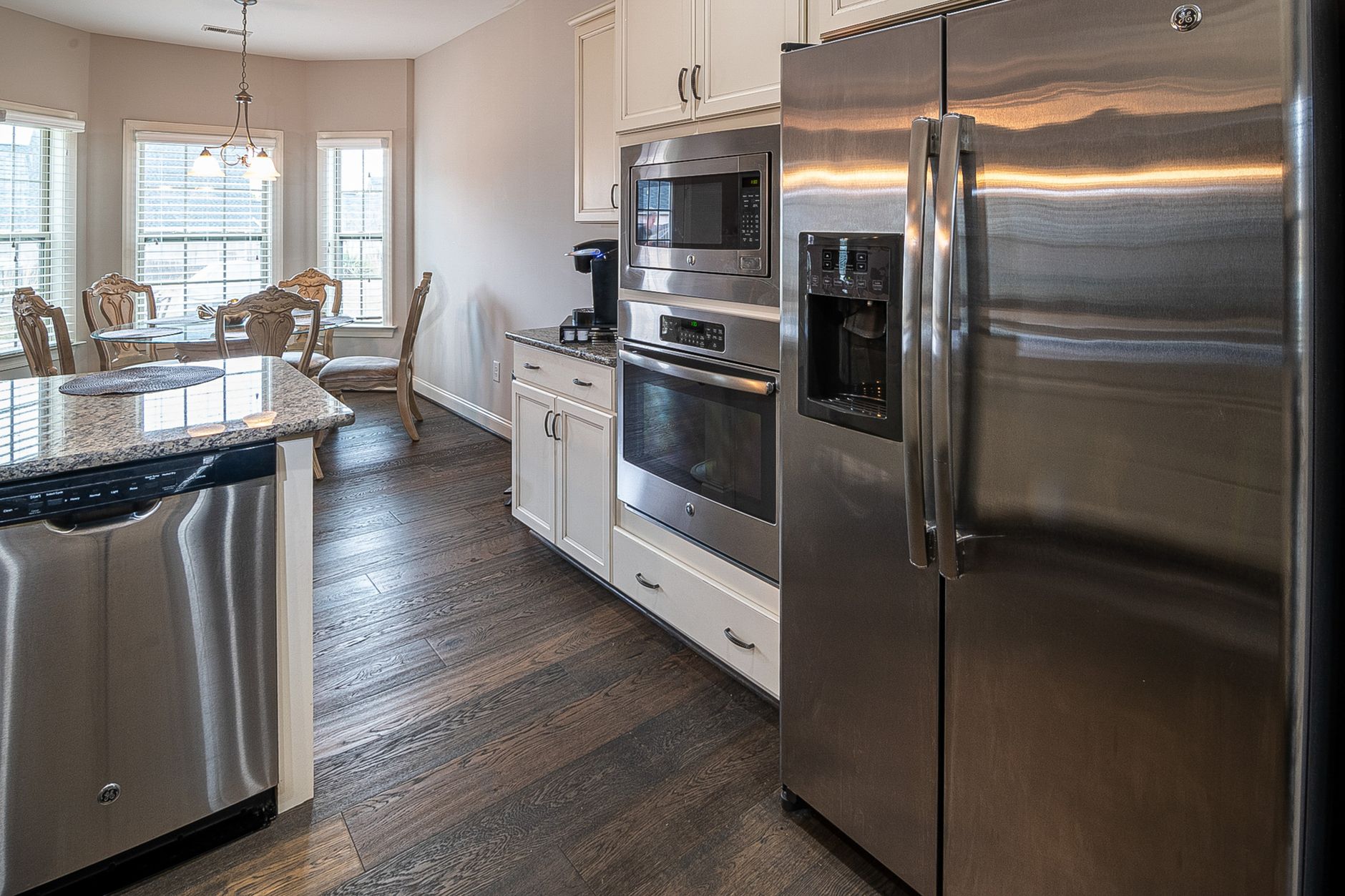
Kitchen appliance bundles are marketed as a one‑stop solution that trims the price tag and simplifies installation. Yet the promise of a discount can mask hidden costs, mismatched features, and future upgrade headaches.
⚡ In a Rush? Key Takeaways
- Bundles typically list 15‑20% savings, but actual cash‑out can be 5‑12% after taxes and freight.
- Individual purchases let you choose the most efficient model; bundled sets often include mid‑range items.
- Warranty overlap on bundles may limit separate service claims, adding potential out‑of‑pocket repair costs.
- Retailer financing on bundles can extend the effective interest rate to 8‑12% APR.
- ✅ Verdict: Bundles are worth it only when you need every piece, have a matching style, and can lock in a true discount of 10%+ after all fees.
How do bundle discounts actually compare to individual item pricing?
Most bundle discounts range from 5% to 20% off the combined MSRP, but real savings depend on tax, freight, and financing.
Retailers publish a “bundle price” that subtracts a flat dollar amount from the sum of the manufacturers’ suggested retail prices (MSRP). In 2026, the average advertised discount sits at 12% for four‑item sets (cooktop, oven, range hood, dishwasher). However, when you add sales tax (average 7% in the US) and shipping (often $150‑$250 for the whole set), the net discount shrinks to roughly 6%‑9%.
Consider a typical midsize kitchen upgrade in 2026:
- Cooktop – $1,200 MSRP
- Wall oven – $1,800 MSRP
- Dishwasher – $800 MSRP
- Range hood – $400 MSRP
Combined MSRP = $4,200. A 12% bundle discount reduces the list price to $3,696. Adding 7% sales tax ($259) and $200 freight brings the total to $4,155 – only $45 below the sum of the individual, taxed, shipped items.
For a precise picture, we built a simple calculator (see our Appliance Cost Calculator) that lets you input local tax rates and shipping fees. The tool shows that bundles become financially attractive only when the advertised discount exceeds 15% and the retailer offers free freight.
What hidden fees can erode bundle savings?
Bundled purchases often include sales tax, freight, and optional financing that reduce the headline discount.
Many big‑box stores waive shipping on bundles, but the fine print may limit you to “standard ground” only; premium white‑glove delivery is still billed per appliance. When you need professional installation for a built‑in oven, the cost can be $250‑$400 extra, whether you buy as a set or separately.
Financing terms add another layer. Retailer credit cards frequently promote 0% for six months, then shift to a 9%‑12% annual percentage rate (APR). If you carry a balance beyond the promotional window, the effective cost of the bundle can exceed the price of buying each item on cash.
| Cost Component | Typical Amount |
|---|---|
| Advertised Bundle Discount | 10‑15% off MSRP |
| Sales Tax (7% avg.) | $260‑$300 |
| Freight (standard) | $150‑$250 |
| Installation (optional) | $250‑$400 per built‑in |
| Financing APR (if carried) | 9%‑12% annual |
Which appliances benefit most from bundle pricing?
Large, heavy appliances such as ovens and refrigerators often carry the biggest freight discounts when bundled.
Because shipping costs scale with weight, retailers can save on freight by moving several heavy units together. This translates into a larger relative discount for ovens, refrigerators, and built‑in dishwashers compared with lighter items like microwaves or coffee makers.
Conversely, high‑efficiency models that carry premium energy‑star ratings often resist bundling because manufacturers price them separately to preserve margin.
- Best‑saving candidates: wall oven, built‑in refrigerator, dishwasher, cooktop.
- Low‑impact candidates: countertop microwave, single‑serve coffee machine, toasters.
When does buying appliances individually make more sense?
Individual purchases let you cherry‑pick the most efficient models and avoid paying for unwanted features.
Energy efficiency can have a measurable impact on your utility bill. A 2026 ENERGY STAR dishwasher uses roughly 2.4 kWh per cycle versus 3.2 kWh for a standard model – a saving of $0.05 per load at the US average rate of $0.16/kWh. Over a typical 250‑cycle lifespan, that’s $12.50 in electricity plus water savings.
When you buy each appliance separately, you can select the top‑rated energy‑star version for every category, which often costs $100‑$300 more up‑front but saves $30‑$60 annually. The payback period is typically 2‑4 years, well within the average 10‑year ownership horizon.
How do warranty and service considerations differ?
Separate warranties allow individual claims, whereas bundle warranties may limit coverage to the whole set.
Manufacturers usually offer a 1‑year limited warranty on parts and labor, with optional extensions up to five years. When appliances are bundled, the retailer often sells a single “package warranty” that covers all items for a uniform period. If one appliance fails early, you may be forced to replace the entire package or pay a higher service fee.
Independent warranties purchased per appliance give you flexibility: you can extend the fridge’s warranty for ten years while opting out of a dishwasher extension you never needed.
What role does timing and sales cycles play?
Holiday sales, especially Black Friday and Cyber Monday, often feature deeper bundle discounts than standard promotions.
Retailers align bundle promotions with major sales events. In 2026, Black Friday bundle discounts averaged 18% off MSRP, compared with 11% during the regular summer sales window. If you can plan your remodel around these dates, the net savings after tax and freight can exceed 12%.
However, inventory turnover means the most efficient, latest‑generation models may be out of stock during peak sales. You may end up with a previous‑generation unit that consumes 7% more electricity, eroding the financial benefit.
How can you calculate the true cost of a kitchen appliance bundle?
Use a spreadsheet or our online calculator to add MSRP, tax, freight, installation, and financing to compare against individual totals.
We recommend a four‑step approach:
- List each appliance’s MSRP and energy‑star rating.
- Add your local sales tax rate (multiply each MSRP by 0.07 for a 7% average).
- Include freight – use the retailer’s quoted shipping fee or $199 for standard ground.
- Factor in installation and optional financing costs.
Plug the totals into our Appliance Cost Calculator to see the net difference. If the bundle total is at least $300‑$500 lower than the individual sum, the discount is likely genuine for a typical household.
Can a simple spreadsheet illustrate the break‑even point?
A spreadsheet shows that a $400‑$500 price gap is needed to offset tax and freight for a four‑item bundle.
Here’s a minimal example (values in USD):
| Item | MSRP | Tax (7%) | Freight Share | Total Individual |
|---|---|---|---|---|
| Cooktop | 1,200 | 84 | 50 | 1,334 |
| Wall Oven | 1,800 | 126 | 70 | 1,996 |
| Dishwasher | 800 | 56 | 30 | 886 |
| Range Hood | 400 | 28 | 20 | 448 |
| Grand Total | 5,664 | |||
The same four items bundled at a 12% discount cost $4,800 before tax and freight. Adding 7% tax ($336) and $200 freight brings the bundle total to $5,336 – a $328 advantage, just over the $300 threshold for meaningful savings.
What are the long‑term financial implications of choosing a bundle?
Over a 10‑year ownership span, energy savings from efficient models can outweigh a modest bundle discount.
Assume you buy a bundle that includes a mid‑range dishwasher (2.8 kWh per cycle) versus an ENERGY STAR model (2.4 kWh). At 250 cycles per year, the energy difference is 100 kWh, costing $16 annually. Over ten years, that’s $160 lost to higher electricity use.
If the bundle saved you $400 upfront, the net benefit after ten years is $240. However, if you sourced the best‑in‑class dishwasher individually (+$150) and accepted a $250 bundle discount, the net gain rises to $410.
How does resale value factor into the decision?
Homes with high‑efficiency, individually selected appliances can fetch 3‑5% higher resale prices.
Homebuyers often request a walkthrough of major appliances during inspections. ENERGY STAR appliances appear on the appraisal checklist and can add $1,000‑$2,000 to the final sale price, according to 2025 realtor surveys. Bundled sets that include older, less efficient models may actually depress perceived value.
What hidden maintenance costs should you anticipate?
Bundle warranties may not cover wear‑and‑tear on individual items, leading to out‑of‑pocket repairs.
Repair frequency varies: dishwashers average 1.5 breakdowns per decade, ovens 0.9, and cooktops 0.7. If a bundled set forces you to use a single service contract, you might pay $150‑$250 per call for a problem that would otherwise be covered by an extended warranty on a single appliance.
- Typical repair cost for a dishwasher motor: $180‑$250.
- Oven heating element replacement: $200‑$300.
- Cooktop ignition coil: $120‑$180.
These costs add up, especially if the bundled warranty excludes labor for after‑year‑one claims.
FAQ
Do bundle discounts include installation?
Installation is usually an optional add‑on; the quoted bundle price rarely includes professional setup.
Can I negotiate a better price on a bundle?
Yes—sales associates often have margin to increase the discount if you’re buying all four major appliances.
Are there tax advantages to bundling?
No direct tax deduction, but a larger single purchase may qualify for certain retailer financing promotions.
What is the typical financing APR for kitchen bundles?
Retailer‑offered credit cards list 9%‑12% APR after any promotional period ends.
Is it better to buy a bundle online or in‑store?
Online retailers often list free freight for bundles, while in‑store may charge delivery fees but offer immediate hands‑on advice.
Bottom line – Should you buy a kitchen appliance bundle?
Bundles win only when you need every piece, the discount exceeds 10% after fees, and you avoid extra financing costs.
For most homeowners, the flexibility of individual purchases outweighs the modest headline savings of a bundle. By selecting the most efficient models, extending warranties where needed, and timing your purchase around major sales events, you can achieve a lower total cost of ownership and a higher resale value.
Use our Appliance Cost Calculator to model your own scenario, and refer to our guide on energy‑efficient kitchen appliances for the latest ENERGY STAR ratings.
Last reviewed: August 2026 — Greta Michaud, Home Appliance Efficiency Researcher