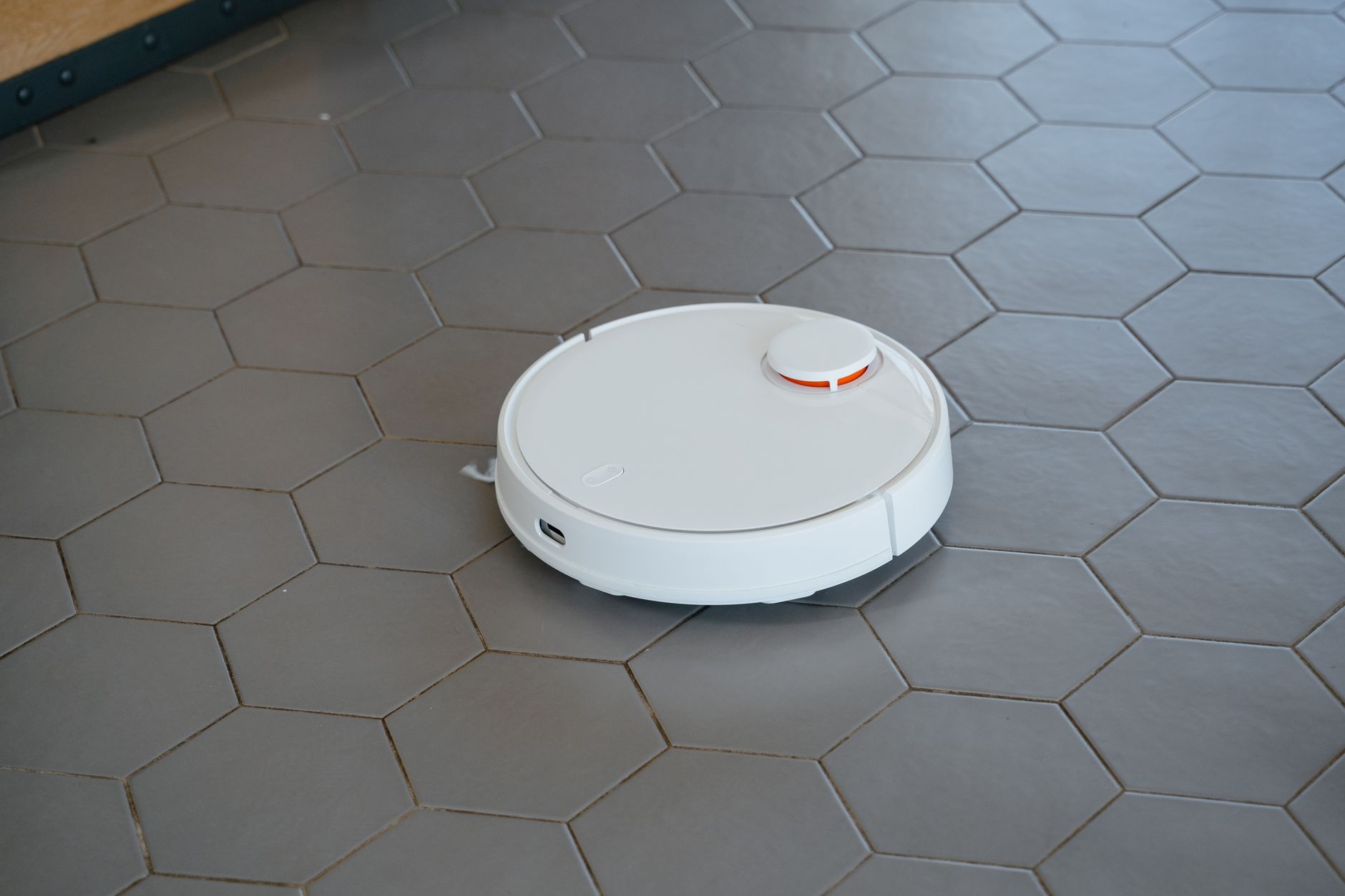
Robot vacuum cleaners provide a reliable, automated floor maintenance solution that reduces manual sweeping and vacuuming time by an average of three hours per week. While they do not entirely replace the need for an upright vacuum for deep cleaning, modern units effectively manage surface-level dust, pet hair, and debris across multiple floor types.
⚡ In a Rush? Key Takeaways
- Robot vacuums save households an average of 150 hours of floor cleaning annually.
- Entry-level models perform well on hard floors for under $300 in most markets.
- Mid-range units reduce human interaction by 90% through self-emptying base stations.
- ✅ Best value: purchase a model with mapping features to avoid repetitive cleaning.
Which Robot Vacuum Features Actually Improve Daily Cleaning?
Mapping technology and self-emptying bases are the two most impactful features for ensuring consistent cleaning without user intervention.
Does Intelligent Navigation Replace Manual Steering?
Lidar-based navigation systems allow vacuums to clean rooms systematically rather than randomly, reducing total cycle times by 40%.
Early robot vacuums relied on simple collision sensors that sent them bouncing randomly around the furniture. Modern 2026 models use Lidar or camera-based mapping to build precise floor plans, allowing them to clean row-by-row for maximum efficiency.
- Systematic cleaning ensures every square inch of the floor is covered.
- Restricted zones can be set via mobile applications to protect delicate decor.
- Multi-floor mapping allows the robot to handle different levels of a home.
- Real-time obstacle avoidance prevents the unit from getting stuck on cables.
Why Are Self-Emptying Stations Considered a Necessary Upgrade?
Automated disposal bases allow a robot to operate for 30 to 60 days before needing any manual intervention from the household user.
Without an auto-empty base, the tiny onboard dustbin requires manual cleaning after nearly every cycle. This constant maintenance requirement negates the convenience of automation for busy families.
Investing in a self-emptying unit shifts your relationship with floor cleaning from daily work to monthly maintenance. If you are balancing a home office or remote working schedule, these units pay for themselves by eliminating the daily “bin duty” that keeps you away from your home office tasks.
How Much Should You Spend on a Robot Vacuum?
Effective robot cleaners range from $250 for basic suction models to $1,000 for high-end systems with advanced mopping capabilities.
What Can You Expect from Entry-Level Models?
Budget vacuums under $300 excel at light daily maintenance on hard floors but often lack sophisticated obstacle avoidance sensors.
Entry-level devices are perfect for apartments or small homes where floor plans are simple. They provide excellent value for managing pet hair and dust without the price premium of advanced mapping.
| Feature | Budget Model | Premium Model |
|---|---|---|
| Navigation | Random | Mapping/Lidar |
| Emptying | Manual | Auto-Base |
| Pet Hair | Adequate | Superior |
Are High-End Robot Mop Combos Worth the Premium?
Dual-function units that sweep and mop are highly effective for homes with high-traffic hard floors that require consistent sanitation.
Combining mopping and vacuuming into one chassis saves significant floor space in your storage closet. These units often use vibration or spinning pads to scrub floors, far outperforming the drag-along microfibre cloths of older generations.
If you have hard floors, using an efficient vacuum-mop combo can significantly reduce your weekly maintenance costs compared to hiring professional help. Just be sure to account for the ongoing expense of proprietary cleaning solutions.
What Are the Common Maintenance Requirements?
Routine maintenance consists of clearing brushes weekly and replacing filters every three months to maintain consistent suction power.
How Do You Extend the Lifespan of Your Robot Vacuum?
Regularly removing tangled hair from the main brush roll and cleaning cliff sensors ensures your machine operates for five years.
Mechanical failure in robot vacuums is almost always related to debris buildup in the internal gears or brushes. A five-minute check every two weeks can prevent costly repairs.
- Clean the side brushes to prevent hair tangles from stalling the motor.
- Wipe the cliff sensors to ensure the unit doesn’t attempt to descend stairs.
- Rinse or replace HEPA filters to keep motor airflow at optimal levels.
- Store the charging station in a dry, open location to avoid overheating.
Can You Perform Your Own Repairs?
Basic parts like batteries, wheels, and brush modules are modular in most premium robots, allowing for easy DIY replacement at home.
While some repairs require professional intervention, most robot manufacturers now support basic DIY repair practices. You can usually purchase replacement parts directly through manufacturer websites to restore suction performance without needing a new unit.
What Are the Frequently Asked Questions?
-
Do robot vacuums work on thick carpets?
Yes, but look for models with “carpet boost” technology that automatically increases suction when detecting higher-pile rug surfaces.
-
Do these devices compromise home privacy?
Most modern robots use locally processed data for mapping, but you can always disable camera-based navigation for maximum privacy.
-
Are American-made robot vacuums available?
While most major brands design and engineer their products in the US, the final assembly and manufacturing occur in global facilities.
-
Which is the best robot vacuum for pet owners?
The best units for pet owners use silicone brush rolls rather than bristle brushes to prevent hair from tangling during the cycle.
Most homeowners ask about compatibility with different floor types, privacy concerns, and the actual longevity of these devices.