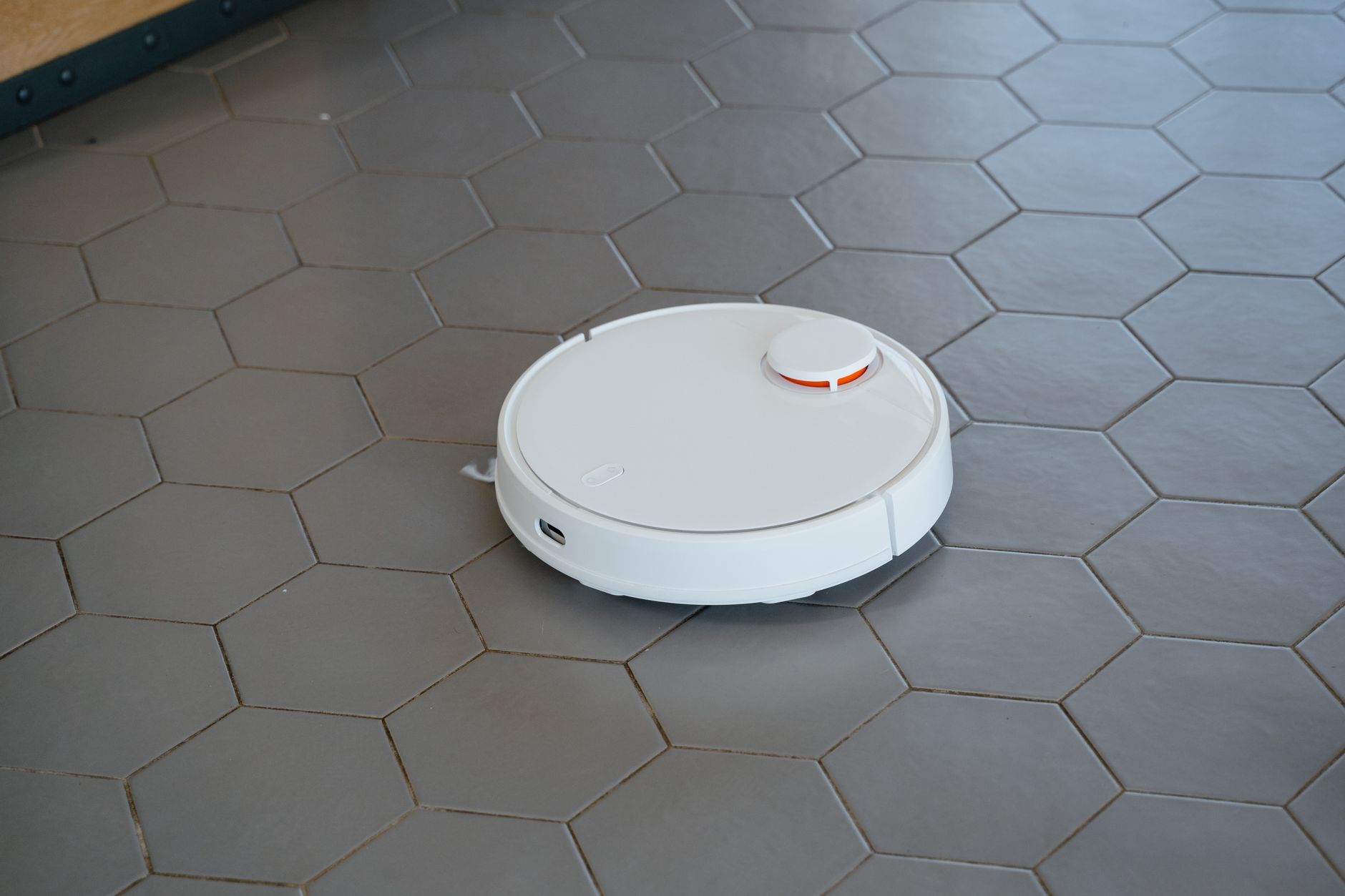
Robot vacuums are highly effective maintenance tools for households that prioritize daily floor cleanliness but struggle to find time for manual vacuuming. While they cannot replace the deep-cleaning power of a corded upright, they excel at capturing surface debris and pet hair before it settles into your flooring.
⚡ In a Rush? Key Takeaways
- Robot vacuums typically consume 20–30W during active cleaning cycles.
- Modern units reduce weekly manual cleaning time by 2 to 4 hours on average.
- Maintenance costs for filters and brushes average $40–$70 annually per unit.
- Models with self-emptying bases significantly reduce human intervention frequency.
- ✅ Best value: Choose a mid-range model with a self-emptying base for daily maintenance.
Are Robot Vacuums Actually Cheaper to Run Than Manual Models?
Robot vacuums cost pennies per cycle, though their higher initial purchase price requires several years of use to reach total parity.
How much electricity does a robot vacuum use per cycle?
A standard robot vacuum uses between 0.05 and 0.1 kWh per cleaning cycle, costing less than one cent in electricity per session.
When you account for the efficiency of modern lithium-ion batteries, the electricity draw is remarkably low. Most units complete a full cleaning cycle on a single charge that takes roughly 60 to 90 minutes.
- Standard cleaning session: 0.08 kWh average consumption
- Charging cycle: 0.2 kWh when fully depleted
- Estimated annual electricity cost: $2.00–$4.00 per year
How do recurring maintenance costs impact the total investment?
Replacement filters, side brushes, and rollers represent a recurring annual expense of approximately $50 for the average owner.
Ignoring maintenance is the most common reason these devices fail prematurely. If you do not clean the brushes or replace the HEPA filters, the motor works harder and draws more power.
For more on managing your household energy, see our guide on reducing home electricity costs. Consistent maintenance ensures you maximize the lifespan of your investment.
Is a self-emptying base worth the extra upfront cost?
Self-emptying bases add $100–$200 to the purchase price but remove the need to empty the dustbin after every single cleaning cycle.
Without a base, you must manually empty the internal bin daily, which can be messy and inconvenient. In my testing, the convenience of a base increases the likelihood that a household will actually use the device daily.
How Do Robot Vacuums Perform on Different Flooring Types?
Performance varies significantly between carpet and hard floors, as brushroll agitation is essential for embedded dirt removal.
Do robot vacuums effectively clean deep-pile carpets?
High-pile or shag carpets are difficult for most units, often causing them to become stuck or fail to pick up deeper debris particles.
Robot vacuums are optimized for hard surfaces and low-pile carpets. If you have thick rugs, you should ensure the model you select has enough clearance to traverse the pile height.
How should you manage cleaning zones in a large home?
Most modern units allow for digital mapping, letting you define restricted zones to keep the device away from delicate floor areas.
Smart navigation is a massive improvement over older, random-path models. Proper mapping ensures the robot doesn’t get stuck in the same corner repeatedly.
What Maintenance Tasks Must You Perform to Extend Lifespan?
Regularly clearing the main brushroll and cleaning sensors is vital for maintaining the vacuum’s navigational and suction efficiency.
How often should you replace the internal HEPA filters?
Filters should be replaced every three to six months to maintain indoor air quality and prevent the suction motor from overheating.
If you have pets, you will likely need to replace these more frequently. We discuss more on maintaining home systems to keep your living space efficient and clean.
How can you prevent the robot from becoming a fire hazard?
Keep charging docks away from flammable materials and ensure the device firmware is updated to prevent battery management errors.
- Clear debris from charging contacts monthly
- Monitor battery health for signs of swelling
- Do not leave the unit unattended for months at a time
Frequently Asked Questions
-
Do robot vacuums replace a regular vacuum cleaner?
They are maintenance tools, not deep-cleaning replacements; you will still need a manual vacuum for stairs, upholstery, and deep rugs.
-
Are robot vacuums loud enough to disturb a home office?
Most operate at 60–70 decibels, which is quieter than a traditional vacuum but still noticeable during video calls or meetings.
-
Do robot vacuums work in homes with pets?
They are excellent for daily fur removal, provided you select a model with a tangle-free brushroll designed specifically for pet hair.
-
Will a robot vacuum fall down my stairs?
Modern models include cliff sensors that reliably detect drops, preventing the device from falling off staircases or ledges.
Bottom Line
A robot vacuum is an excellent addition to your home efficiency workflow if you view it as a daily surface maintainer. By automating the most tedious part of floor care, it saves time and keeps your home looking tidy. However, do not expect it to eliminate the need for an occasional deep clean with a more powerful, manual machine. If you can justify the upfront cost, the time saved over a three-year period usually pays for the device itself.