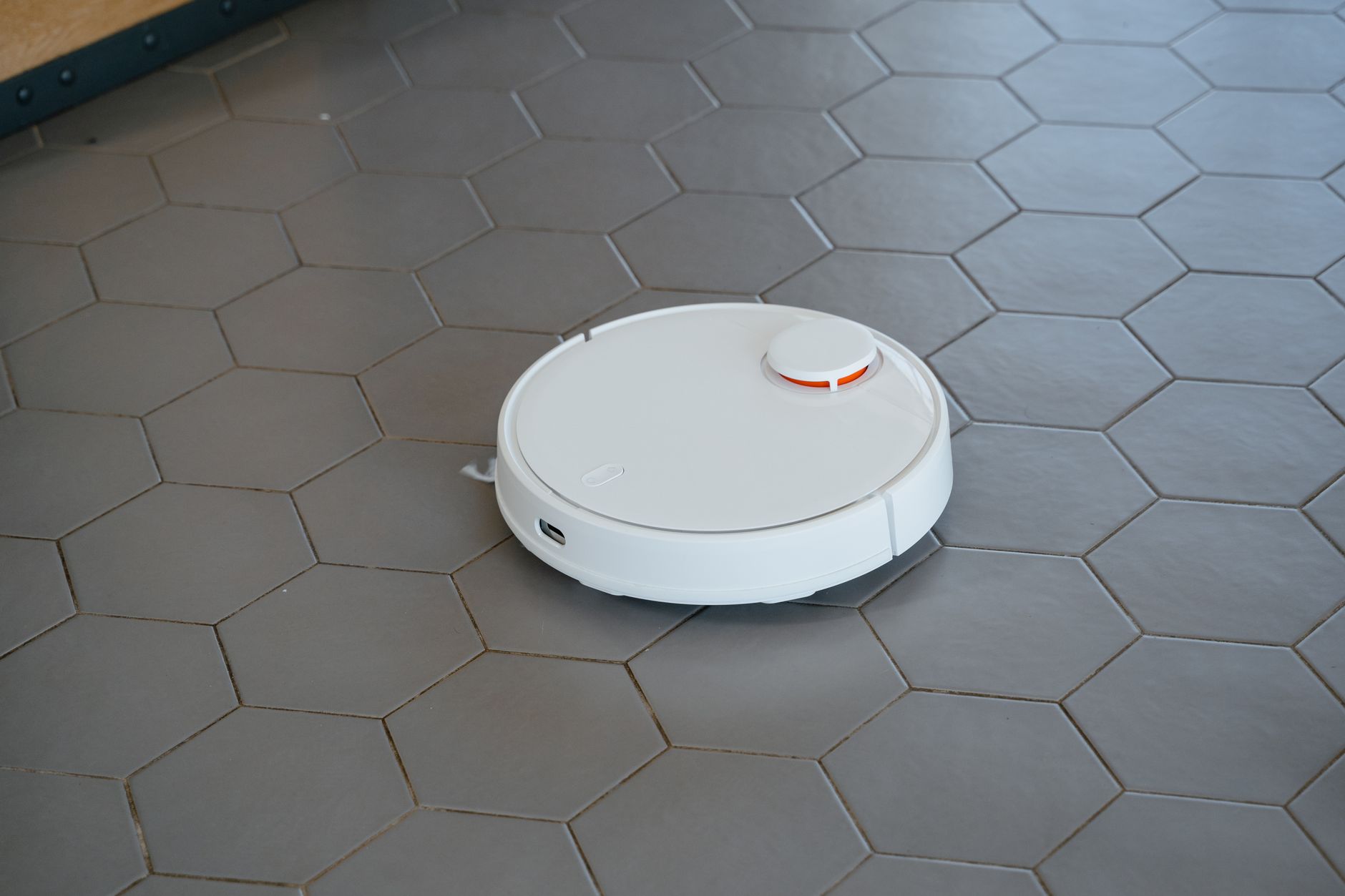
Robot vacuums are automated floor cleaners that effectively maintain dust and hair levels in most homes, though they rarely replace the need for manual deep cleaning. While they significantly reduce the frequency of full vacuuming sessions, their value depends on your floor layout, carpet density, and tolerance for routine maintenance tasks.
⚡ In a Rush? Key Takeaways
- Robot vacuums consume roughly 30–50 kWh of electricity per year, costing under $10 annually.
- High-end models now use AI-driven obstacle avoidance to bypass cords and pet waste reliably.
- Maintenance costs for filters and brushes average $40–$60 per year to sustain peak suction.
- ✅ Best value: A mid-range model with LiDAR mapping is superior to top-tier premium units.
How Do Robot Vacuums Actually Affect Your Weekly Workflow?
Automated cleaners save approximately two hours of manual vacuuming time weekly, shifting the effort from active cleaning to routine maintenance.
Can a robot vacuum replace your upright model?
Most robot vacuums cannot fully replace an upright unit because they lack the deep suction required for heavy carpet cleaning.
In my own home, a robot handles the surface-level debris that accumulates in high-traffic areas during the week. This keeps the floors looking presentable without requiring me to drag out the heavy corded vacuum every time a child tracks in crumbs.
However, once every fortnight, I still find it necessary to use a more powerful manual vacuum cleaner to reach deep into carpet fibers. Relying solely on a robot often leads to a gradual build-up of fine dust in low-traffic corners.
How much time do they actually save you?
An automated vacuum typically saves a household about 1.5 to 2.5 hours of manual labour each week depending on the floor footprint.
- Preparation: clearing floors of small objects takes 3 minutes.
- Maintenance: emptying bins and cleaning sensors takes 5 minutes.
- Manual work: standard vacuuming takes roughly 30 minutes.
- Net savings: roughly 22 minutes per session or 1.5 hours weekly.
What floor types do they struggle with most?
High-pile carpets and dark-coloured rugs frequently confuse the cliff sensors, causing many robots to stop or retreat prematurely.
If your home features thick shaggy carpets, most standard robot brushes will get tangled quickly. I recommend checking the manufacturer’s floor compatibility charts before purchase to avoid performance disappointment on heavy textiles.
What Are the True Running and Maintenance Costs?
Annual maintenance for a robot vacuum ranges from $40 to $70 when factoring in replacement filters, side brushes, and rollers.
How expensive is the long-term part replacement?
Expect to spend $40 annually on genuine replacement parts to ensure your vacuum maintains its suction and mapping efficiency levels.
| Component | Replacement Frequency | Typical Cost |
|---|---|---|
| HEPA Filter | Every 3 Months | $15 |
| Side Brushes | Every 6 Months | $10 |
| Main Roller | Every 12 Months | $20 |
How does battery life impact your total costs?
Most robot batteries sustain peak performance for three years, after which a replacement battery typically costs between $50 and $90.
Managing standby power consumption is simple because most docking stations enter low-power modes. By choosing a model with lithium-ion technology, you ensure the battery degrades slower than older nickel-based alternatives.
Is energy consumption a concern for your utility bill?
A robot vacuum draws negligible power, costing roughly $0.02 per full charging cycle or about $8 per year for daily operation.
Comparing this to a standard upright, which consumes significantly more electricity per minute, the robot is arguably more efficient for daily tasks. You are paying more for the convenience than for the electricity itself.
Do robot vacuums improve indoor air quality?
Models equipped with true HEPA filters can capture 99.97% of particles down to 0.3 microns, reducing airborne allergens during operation.
While the robot’s primary role is floor cleaning, the sealed HEPA system prevents fine dust, pollen, and pet dander from being expelled back into the room. This can be especially beneficial for households with asthma or allergy sufferers, as routine vacuuming lowers the overall allergen load in the air.
To maximize this benefit, ensure the HEPA filter is genuine and replaced according to the manufacturer’s schedule—typically every three months—and avoid models that advertise “HEPA‑type” filtration without meeting the true HEPA standard.
Frequently Asked Questions
-
Do robot vacuums work in pitch black rooms?
Models using LiDAR navigation function perfectly in total darkness, whereas camera-based units require ambient light to map.
-
Will they damage my hardwood floors?
Soft rubber wheels and specialized side brushes are designed to glide over hardwood without leaving scratches or marks.
-
How often should I clean the sensors?
Wipe your vacuum sensors with a dry microfiber cloth once every two weeks to prevent navigation errors and docking failure.
-
Can I use them if I have indoor pets?
Models with self-emptying bases are ideal for pet owners, though you should check that the intake port is wide enough for hair.
Practical answers to common concerns about home automation and floor maintenance efficiency for busy modern homeowners.
If you are looking to integrate floor care into a broader efficient home system, the robot vacuum is a solid contributor. Just remember that it is a support tool, not a complete replacement for manual attention to detail.