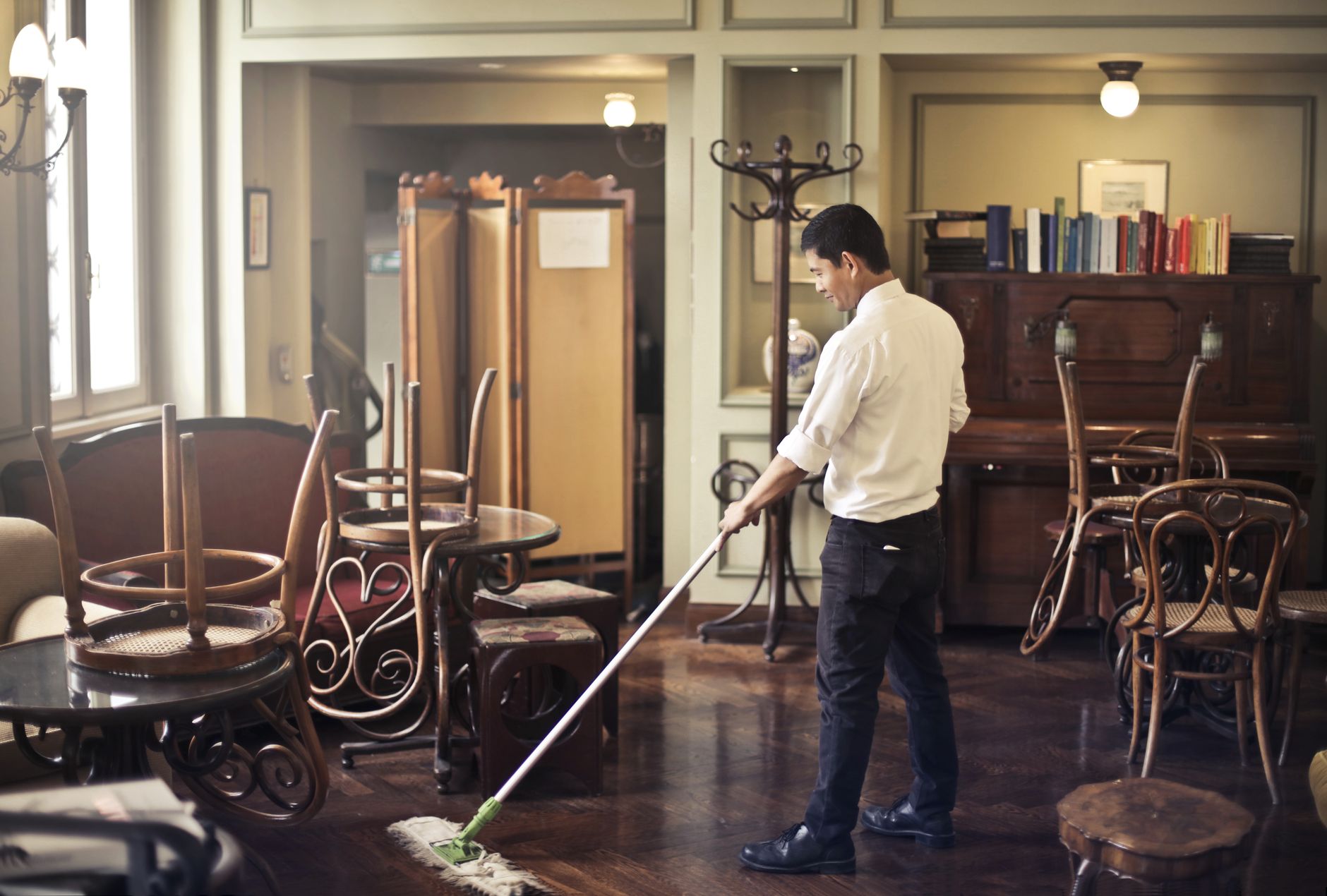
Steam mops are highly effective sanitising tools for sealed hard floors, using high-temperature vapour to lift dirt and eliminate 99.9% of bacteria without requiring liquid chemical detergents. While they provide a deep clean, their efficiency depends heavily on the specific flooring material in your home and your tolerance for corded or cordless maintenance cycles.
⚡ In a Rush? Key Takeaways
- Steam mops typically consume 1,200 to 1,500 watts during active heating cycles.
- Using steam eliminates the $20–$40 annual cost of specialised floor cleaning detergents.
- Avoid using steam on unsealed hardwood or laminate to prevent irreparable water damage.
- ✅ Best value: Use a steam mop on sealed tile or stone for chemical-free sanitation.
Which Floor Types Benefit Most From Steam Cleaning?
Steam mops are ideal for sealed stone, ceramic tile, and porcelain, as these surfaces withstand high heat and moisture levels safely.
Can I use a steam mop on sealed hardwood?
Sealed hardwood can handle steam occasionally, but consistent use may cause the finish to dull or joints to swell if moisture penetrates.
Many modern hardwood finishes are durable, but steam is fundamentally water-based. If your sealant has even minor hairline cracks, steam can penetrate the wood fibres.
- Use the lowest steam setting available on your unit.
- Keep the mop moving constantly to prevent heat concentration.
- Check your manufacturer warranty for explicit steam cleaning guidance.
Is steam safe for vinyl and laminate flooring?
Steam cleaning is generally discouraged for laminate and luxury vinyl plank, as high heat can warp boards and melt the adhesive layers.
Laminate flooring is composed of pressed fibres that act like a sponge when exposed to moisture. Even with a high-quality seal, steam can cause the edges to curl over time.
| Floor Type | Steam Suitability |
|---|---|
| Ceramic Tile | Excellent |
| Sealed Hardwood | Use Caution |
| Laminate/Vinyl | Not Recommended |
How Do Steam Mops Impact Your Monthly Utility Costs?
Steam mops operate at high wattage but only for short durations, making their total impact on monthly electricity bills under $2 per year.
What is the energy consumption of a standard steam mop?
Most units draw between 1,200 and 1,500 watts, but you only consume energy while the unit is actively heating water for the steam generation.
If you mop for 20 minutes a week, you use approximately 0.5 kWh. At an average rate of $0.16/kWh, that equates to roughly 8 cents per week or $4.16 per year.
- Energy draw is lower than a traditional electric kettle.
- Many models feature standby modes to save power during pauses.
- Consistent maintenance of the heating element ensures maximum efficiency.
Do I still need to buy cleaning solutions?
Steam mops eliminate the need for chemical floor cleaners, potentially saving you over $30 annually on recurring supplies for your household.
By relying on temperature rather than chemistry to break down grease, you simplify your cleaning systems significantly. This switch is both a financial and an environmental win for most homes.
What Are the Hidden Costs of Steam Mop Maintenance?
Steam mops require replacement microfiber pads and occasional descaling, which add roughly $10–$20 to your annual cost of ownership.
How often should I replace steam mop pads?
Replace your microfiber pads every 3 to 6 months depending on usage, as worn fibres lose their ability to trap dirt effectively against the floor.
Cheap replacement pads often lack the density to hold sufficient heat. Investing in high-quality manufacturer pads usually ensures better appliance performance over time.
Why is descaling necessary for steam efficiency?
Hard water mineral deposits build up on heating elements within 6 months, reducing steam volume and increasing the time needed to heat water.
If you live in a hard water area, using filtered or distilled water is the most cost-effective way to extend your machine’s lifespan. Regularly checking your water efficiency and quality can prevent internal clogs.
Frequently Asked Questions About Steam Mops
-
Do steam mops actually kill bacteria?
Yes, steam mops are highly effective at killing 99.9% of common household bacteria because the steam reaches temperatures exceeding 212°F.
-
Can I use essential oils in my steam mop?
Only add essential oils if your specific model manual explicitly permits it, as oils can damage internal pumps and invalidate your warranty.
-
How long does the steam last on a full tank?
Most steam mop tanks provide 15 to 25 minutes of continuous high-temperature steam before requiring a refill, depending on the heat setting.
-
Are cordless steam mops as powerful as corded ones?
Cordless models often lack the raw power to generate consistent high-heat steam, making corded units superior for deep cleaning and sanitation.
-
What to Look for When Buying a Steam Mop
When choosing a steam mop, prioritize tank size for longer cleaning sessions, rapid heat‑up (under 30 seconds), variable steam output for different floor types, lightweight design for easy maneuverability, and useful accessories such as grout brushes or carpet gliders.
Steam mops provide deep sanitisation for specific floors, but they require careful use to avoid moisture-related damage to your home.
Look for models with a detachable water tank that can be refilled mid‑clean; this avoids downtime when the tank empties. A transparent tank lets you see the water level at a glance. Additionally, check the power cord length if you opt for a corded unit—cords longer than 6 m reduce the need for frequent outlet changes.
Consider the warranty and availability of replacement microfiber pads and descaling solutions; brands that offer easy‑to‑find parts lower long‑term ownership costs. Reading user reviews about durability of the heating element can also help you avoid models prone to scale‑related failures.