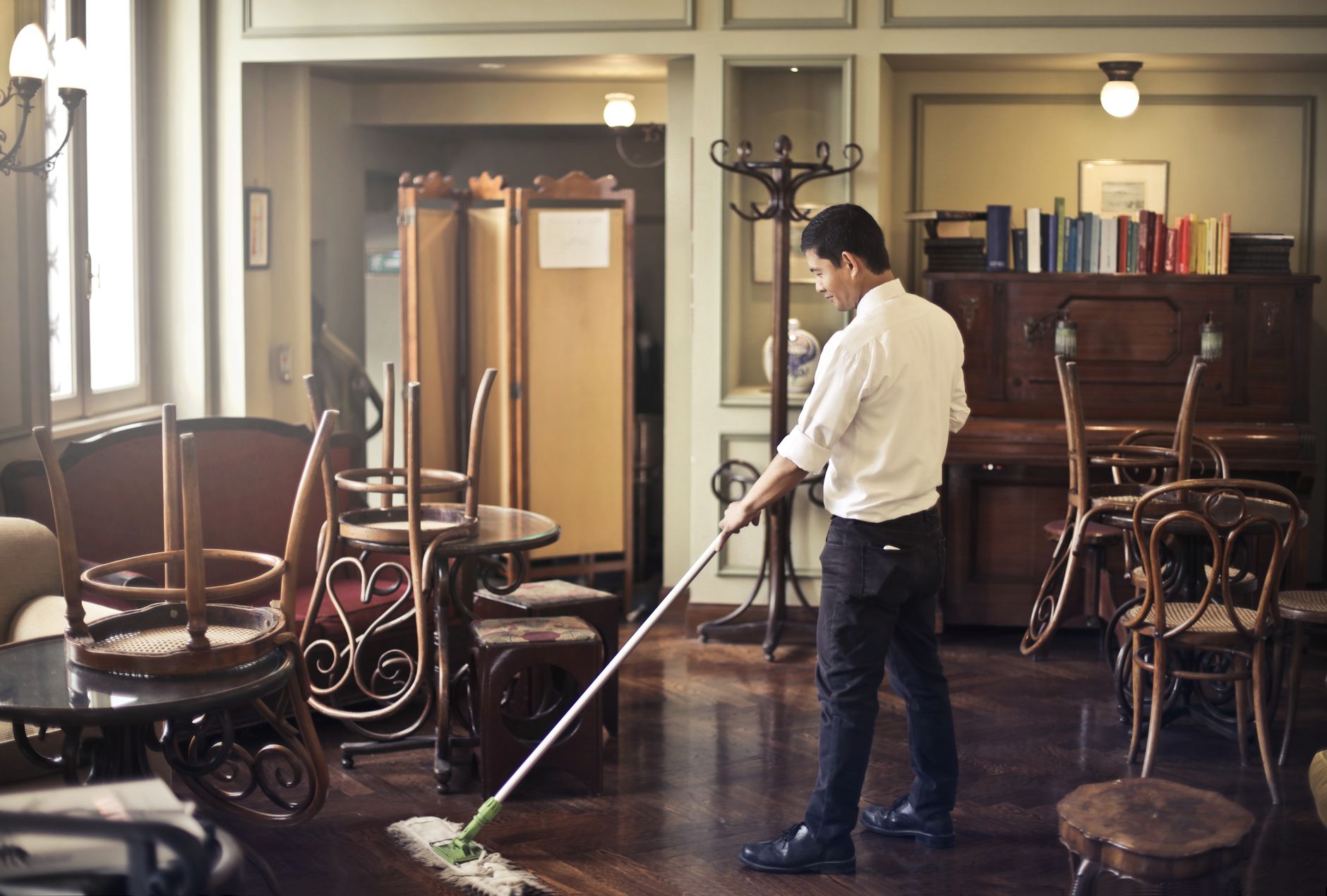
Steam mops are highly effective tools for sanitising sealed hard floors without harsh chemicals, though they are not a replacement for a traditional vacuum cleaner. By heating water to over 212°F, these devices effectively lift stuck-on grime and kill 99.9% of common bacteria on surfaces like tile, vinyl, and sealed hardwood.
⚡ In a Rush? Key Takeaways
- Steam mops typically consume 1,000–1,500 watts per hour of active use.
- Running costs average $0.15–$0.25 per cleaning session based on electricity rates.
- They eliminate the need for chemical floor cleaners, saving $30–$50 annually.
- ✅ Use only on sealed surfaces to avoid irreparable water damage to wood.
How Do Steam Mops Actually Work?
Steam mops heat water in a dedicated tank to produce high-temperature vapour that sanitises surfaces and dissolves grease without chemical additives.
What Is the Science Behind the Cleaning?
The cleaning action relies on thermal energy that softens stubborn debris while the steam pressure and microfibre pad wipe away the residue.
When you trigger the pump, water travels from the reservoir to a heating element. This element converts water into pressurised steam that exits through small nozzles directly onto your floor.
This process is remarkably efficient at breaking down dried-on spills. Because it uses heat rather than solvents, it leaves floors virtually residue-free, which is a major advantage if you have pets or children crawling on the ground.
- Water heats to 212°F in under 30 seconds
- Microfibre pads capture and lock in dissolved grime
- No chemical run-off or sticky residue left behind
- Sanitisation occurs through heat contact alone
Is the Steam Safe for All Floor Types?
Steam mops are strictly for sealed surfaces; they can cause warping, swelling, or delamination on unsealed wood or porous flooring materials.
Most modern manufacturers design their units for use on tile, stone, vinyl, and sealed hardwood. However, the keyword here is “sealed.”
If your wood floors have cracks in the finish or are made of engineered wood with weak joints, steam can seep underneath. This leads to moisture accumulation and eventual damage to the subfloor or floorboards.
| Floor Type | Steam Safe? |
|---|---|
| Sealed Ceramic Tile | Yes |
| Sealed Hardwood | Yes (with caution) |
| Laminate Flooring | No |
| Unsealed Wood/Cork | Never |
Are Steam Mops Economically Efficient?
The operating costs are minimal, averaging less than thirty cents per session, while the reduction in chemical cleaner purchases adds value.
How Much Electricity Do They Consume?
A standard steam mop draws 1.2 kilowatt-hours per hour, costing roughly $0.18–$0.22 per session depending on your local utility pricing rates.
Because they reach temperature rapidly and are used for short periods, the total energy footprint is quite low. If you are looking to manage your total monthly running costs, steam mops are significantly cheaper than running a heavy-duty carpet cleaner or industrial unit.
I have found that the most efficient home appliance choices often include units with “eco-steam” modes. These reduce the steam volume for lighter cleaning, further lowering your energy consumption per room.
Can They Really Replace Floor Cleaners?
Yes, they eliminate the recurring expense of buying bottled detergents and floor solutions, resulting in an annual saving of around forty dollars.
Beyond the direct financial saving, there is the convenience of not managing chemical inventories. You are essentially paying for tap water and electricity alone.
However, do not mistake convenience for maintenance. Your cleaning systems must include regular washing of your microfibre pads, as dirty pads will simply streak your floors after a few uses.
Features to Consider When Buying a Steam Mop
Key factors include tank capacity, heat‑up time, steam settings, cord length, weight, and available attachments.
Consider how large the water tank is; a larger tank means fewer refills but adds weight. Most models hold 300‑500 ml, giving roughly 10‑15 minutes of continuous steam.
Adjustable steam output lets you match the intensity to floor type—low for sealed hardwood, high for tile grout. Look for a swivel head and low‑profile design for easy maneuverability under furniture.
Frequently Asked Questions
-
Can you use tap water in a steam mop?
While tap water is generally acceptable, distilled water is recommended to prevent limescale build-up and extend the life of your mop heating element.
-
How often should the mop pads be replaced?
Expect to replace microfibre pads every 3–6 months depending on usage, or wash them after every cleaning session to prevent bacterial buildup.
-
Do steam mops require any special cleaning solution?
No, they are designed to function with plain water; using detergents can void your warranty and cause clogs within the internal steam mechanism.
-
Are they better than traditional mopping?
They are faster, more sanitising, and require less physical effort, but they require a vacuuming step first as they cannot pick up loose debris.
The Bottom Line
Steam mops are a smart, efficient choice for households with sealed hard floors, provided you use them correctly and keep the pads clean.
If you value a chemical-free environment and want to reduce your monthly spend on cleaning supplies, the investment is sound. They will not replace your primary floor vacuum, but as a maintenance tool, they excel.
Always check your flooring manufacturer’s warranty before steaming. A few minutes of research can prevent thousands of dollars in potential flooring repairs.