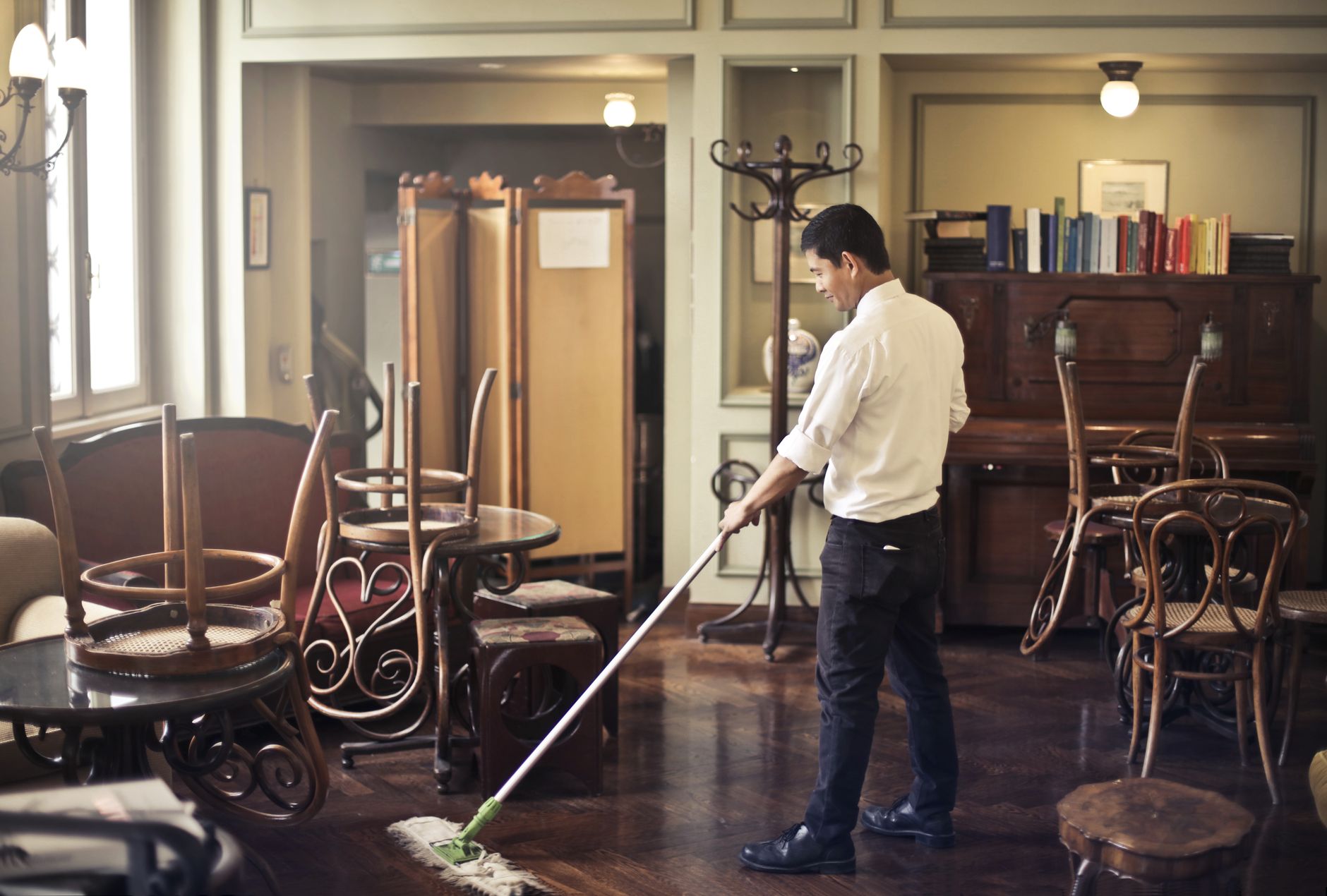
Steam mops are an efficient, chemical-free way to sanitise sealed hard floors by using high-temperature vapour to break down dirt and bacteria. Unlike traditional mopping, which often pushes dirty water across a surface, steam systems lift grime into a reusable microfibre pad, leaving floors touch-dry in seconds.
⚡ In a Rush? Key Takeaways
- Steam mops typically consume 1.0–1.5 kWh per hour of continuous operation.
- They eliminate the need for liquid floor cleaners, saving roughly $30 annually.
- Using steam on unsealed hardwood or laminate causes permanent water damage.
- ✅ Best value: A mid-range corded model used weekly on tile or stone floors.
How Do Steam Mops Actually Work for Floor Cleaning?
Steam mops heat water to over 100 degrees Celsius to produce pressurised vapour that dissolves sticky residue and sanitises surfaces.
Why is steam more effective than a traditional mop?
Steam relies on thermal energy to break molecular bonds in dirt, allowing it to be wiped away without harsh detergents or scrubbing.
Traditional mopping often involves a cycle of dunking a dirty cloth into grey water, which simply redistributes microbes. A steam mop uses fresh water for every pass, ensuring you are sanitising rather than smearing. The high heat also helps to lift heavy oil and grease that cold water struggles to budge.
Does steam sanitise floors better than chemical cleaners?
Steam kills 99.9% of bacteria and dust mites through intense heat alone, making it superior for households with pets or small children.
Chemical cleaners can leave behind residues that attract dirt over time, making your floors look duller. Steam leaves zero chemical footprint. This is particularly beneficial for those with sensitivities to harsh scents or cleaning agents.
- Eliminates 99.9% of common household bacteria
- No sticky chemical residue left on tiles
- Safe for homes with crawling infants
- Reduces water wastage by 70% compared to buckets
What accessories and attachments expand a steam mop’s usefulness?
Many steam mops come with optional heads—such as scrubbing brushes, carpet gliders, and narrow nozzles—that let you tackle grout, upholstery, and tight corners beyond flat floor cleaning.
Scrubbing brush attachments feature stiff nylon bristles that agitate grime in tile grout or textured stone while the steam loosens it, reducing the need for elbow grease. Carpet glider plates transform the mop into a lightweight steamer for refreshing area rugs or low‑pile carpet, lifting embedded dust without saturating the fibers. Narrow nozzle or jet tools concentrate steam into a pinpoint stream, ideal for cleaning window tracks, oven vents, or sanitising pet toys and crates.
Using the right attachment not only broadens the appliance’s versatility but also helps preserve the main microfibre pad by keeping abrasive tasks off the primary cleaning surface. Most manufacturers sell these accessories as kits or individual parts, typically priced between $8 and $20 each.
- Scrubbing brush head – for grout and textured surfaces
- Carpet glider plate – safe steaming of low‑pile rugs
- Narrow nozzle/jet tool – precision cleaning of vents and crevices
- Detail brush – small corners and grout lines
- Squeegee attachment – for windows and mirrors
Which Flooring Types Can You Safely Steam?
Steam mops are ideal for sealed porcelain, ceramic, stone, and vinyl, but they should never be used on unsealed or waxed surfaces.
Can you use a steam mop on hardwood floors?
Only use steam on sealed hardwood if the finish is in perfect condition; otherwise, moisture will penetrate and warp the wood planks.
Hardwood is porous by nature. If your polyurethane seal has any hairline cracks or deep scratches, steam will find those gaps and cause the wood to expand or cup. I always recommend testing a small, inconspicuous corner before cleaning a full room.
Is it safe to use a steam mop on laminate flooring?
Most laminate manufacturers void warranties if steam is used, as the high heat can dissolve the adhesive holding the layers together.
Laminate is essentially high-density fibreboard wrapped in a plastic coating. Heat can soften the core, leading to bubbling and peeling. If you must use one, ensure your mop has a very low steam setting and a protective microfibre bonnet.
| Flooring Type | Safety Rating |
|---|---|
| Porcelain Tile | Excellent |
| Natural Stone | Good |
| Sealed Hardwood | Use Caution |
| Laminate | Not Recommended |
Are Steam Mops Cost-Effective Over Time?
A steam mop pays for itself in roughly 18 months by eliminating the ongoing purchase of chemical solutions and disposable mop heads.
How much electricity does a steam mop use per month?
The average steam mop uses 1.2 kWh per hour, costing about $0.20 per cleaning session when used for 30 minutes at standard US rates.
While this is more energy-intensive than a manual mop, you are also significantly faster in your cleaning routine. For more on managing your home energy, see my guide on optimising home appliance performance to track hidden costs. The speed advantage often offsets the minor electricity spike.
What are the hidden maintenance costs of steam mops?
Costs include replacement microfibre pads every six months and potentially distilled water to prevent internal mineral scale buildup.
If you live in a hard water area, the heating element inside the mop will eventually accumulate limescale. Using distilled or filtered water is a small recurring expense that extends the life of your appliance. Always keep an eye on efficient kitchen workflow to ensure you aren’t creating extra work for yourself while cleaning.
- Microfibre pads: $10–$15 per year
- Distilled water: $2 per gallon
- Descaling solution: $5 per year
- No chemical cleaners: $30+ annual savings
Frequently Asked Questions
-
Do steam mops get rid of pet odours?
Yes, the high heat neutralises the bacteria that cause pet odours on hard surfaces more effectively than fragrant chemical cleaners.
-
How often should I wash the microfibre pads?
Wash pads after every use in a standard cycle without fabric softener, as softener clogs the fibres and reduces their absorbency.
-
Does the floor stay wet for a long time?
No, the floor should be dry within 30 seconds of passing the mop, provided the machine is operating at the correct heat output.
-
Can I add essential oils to the water tank?
Never add oils to the tank, as they will clog the internal pump and heating element, which will void your manufacturer warranty.
For more maintenance advice, read my post on managing your home equipment properly. Consistency in these small habits ensures your tools work for you for years rather than months.