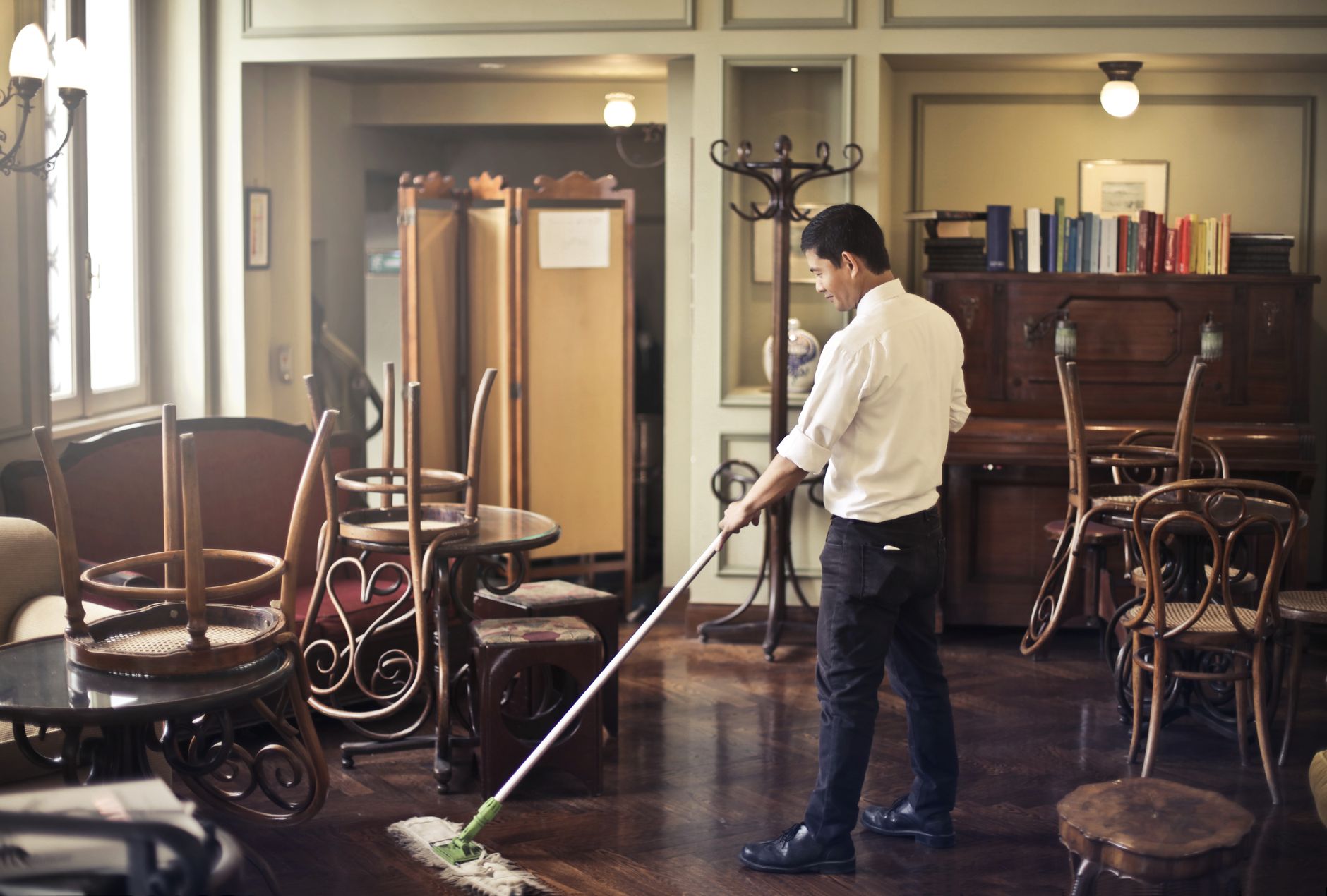
A steam mop is a chemical-free floor cleaner that uses high-temperature steam to sanitize sealed hard surfaces, typically costing between $80 and $250 for a quality unit. These appliances remove surface-level grime and bacteria without the need for detergents, provided your flooring is correctly sealed to handle moisture and heat.
⚡ In a Rush? Key Takeaways
- Steam mops use 1,000–1,500 watts of power to generate consistent sanitizing steam.
- Microfiber pads require replacement every 3–6 months for optimal cleaning efficiency.
- Steam cleaning is 99% effective at eliminating common household bacteria on sealed floors.
- ✅ Best value: Choose a corded model with a removable water tank for easier refilling.
Which Floor Types Can Safely Use a Steam Mop?
Steam mops are suitable only for sealed hard floors including tile, stone, vinyl, and sealed hardwood that is in excellent condition.
Can you use a steam mop on hardwood floors?
You can use steam mops on hardwood only if the finish is factory-sealed and free of cracks where moisture can seep into the wood.
Many homeowners worry about warping, and rightfully so. If your hardwood finish has worn thin, the steam can penetrate the wood grain, causing swelling or permanent damage. Always perform a patch test in an inconspicuous area before committing to the whole room.
Is it safe to use steam on laminate or vinyl flooring?
Steam mops are generally safe for modern luxury vinyl plank or high-quality laminate provided the seams are tight and water-resistant.
Older laminate floors often have exposed seams that act like sponges. If you see water beading up or lingering in the grooves after a pass, stop immediately. You can find more advice on maintaining interior flooring to ensure your surfaces last for years.
- Check for gaps between floor planks
- Ensure the floor is fully swept before steaming
- Keep the mop moving to avoid heat concentration
- Use the lowest steam setting available
What Are the Downsides of Using a Steam Mop?
Steam mops require a power cord, frequent pad washing, and are not suitable for unsealed wood, laminates, or delicate flooring.
Do steam mops replace traditional vacuuming?
Steam mops do not replace vacuums because they move debris around rather than removing loose dust, pet hair, or grit from the floor.
Attempting to steam a dusty floor often creates a muddy paste that is harder to clean than the original dirt. You must vacuum or sweep thoroughly before you ever pull out the steam mop. Integrating a consistent home cleaning system makes this two-step process much more manageable.
Why is cord length a common complaint?
Standard steam mops come with 15 to 25-foot cords, which frequently force users to switch outlets multiple times per room size.
While cordless models exist, they often suffer from shorter runtime or reduced steam temperature. Most professional-grade units prioritize corded power to maintain a constant 212°F output. You might want to consider energy efficiency tips for your household appliances to understand how these machines fit into your overall utility usage.
Maintenance and Descaling
Regular descaling and using distilled water prevent mineral buildup that can clog the heating element and reduce steam output.
Over time, tap water leaves calcium and magnesium deposits inside the boiler and nozzle. Most manufacturers recommend running a descaling solution (or a mix of white vinegar and water) through the mop once a month, followed by several rinse cycles with clean water. Always consult the user manual for the recommended ratio and safety precautions.
After descaling, wipe the exterior, empty the tank, and allow the mop to dry completely before storage. Keeping the microfiber pads clean and replacing them every 3–6 months also ensures consistent performance.
Are There Better Alternatives to Steam Mops?
Spray mops or traditional microfiber flat mops are superior for delicate wood or homes where convenience outweighs deep sanitization.
How do spray mops compare for daily cleaning?
Spray mops provide better control over moisture levels, making them safer for antique wood or floors that cannot tolerate high heat.
| Feature | Steam Mop | Spray Mop |
|---|---|---|
| Sanitization | High | None |
| Moisture | Moderate | Low |
| Setup Time | 30-60 Seconds | Immediate |
Frequently Asked Questions
-
What is the best steam mop on the market right now?
Top performers in 2026 include mid-range models from Shark and Bissell that offer adjustable steam and washable microfiber pads.
-
What steam cleaners are made in the USA?
Most residential steam mops are manufactured overseas, though certain commercial-grade vapor cleaners are assembled within the United States.
-
What is the best steam mop for Consumer Reports?
Consumer Reports emphasizes models that balance steam temperature consistency, ease of maneuverability, and durability of the water tank.
Ultimately, a steam mop is an excellent tool if your home consists mostly of tile or resilient flooring and you prioritize a chemical-free environment. If your home is primarily older hardwood or thin-finish laminate, the risks to your flooring might outweigh the sanitizing benefits. Choose your model based on the floor types you actually have, and always prioritize a quick vacuuming session first.
— Greta Michaud, Home Appliance Efficiency Researcher