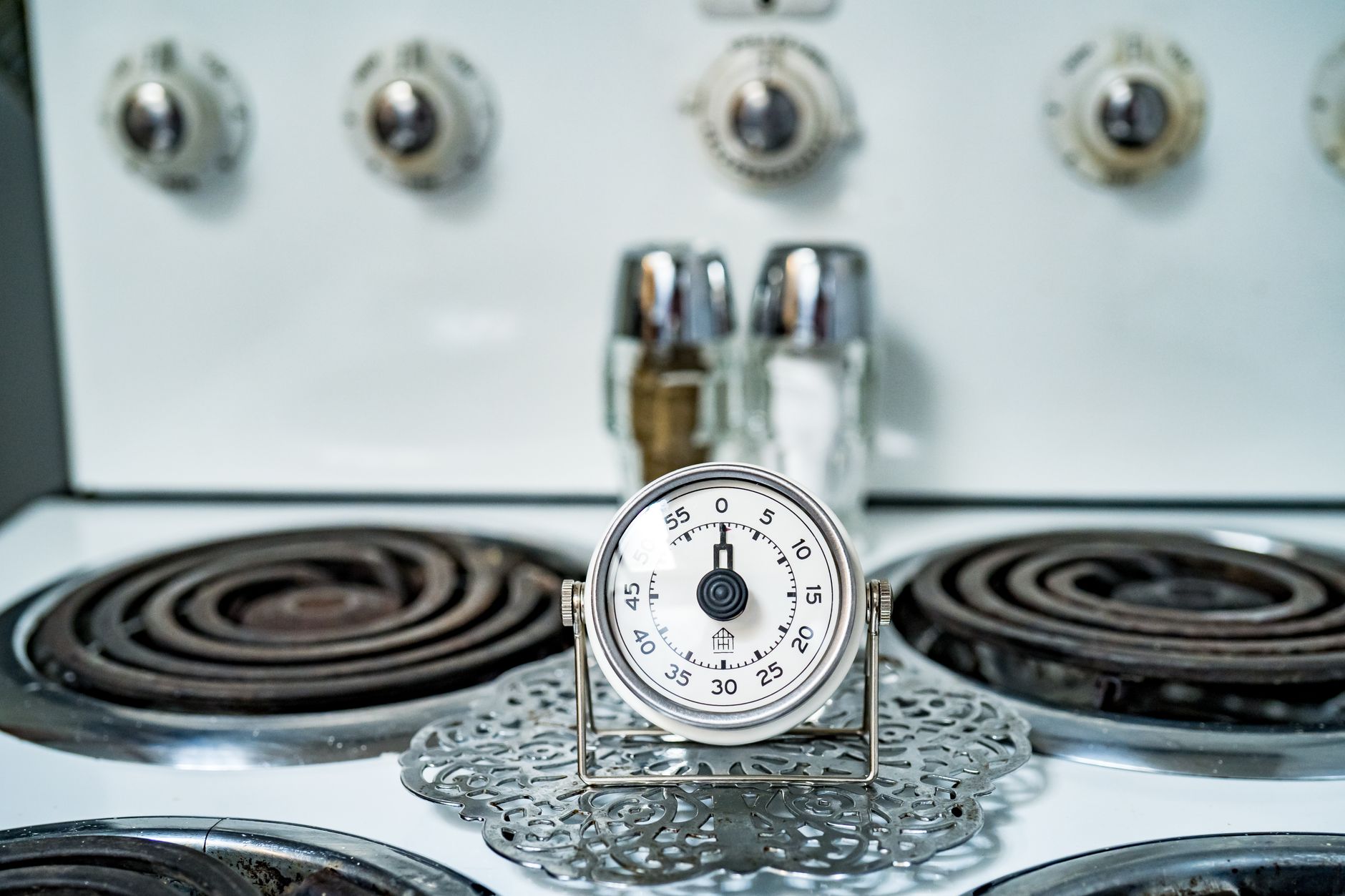
In the bustling environment of a home kitchen, precision timing can make all the difference between a perfectly roasted chicken and an overcooked dish. While smartphones often pull double duty as timers, a dedicated kitchen timer offers tactile control and frees your primary device for other tasks. This guide explores the best affordable smart kitchen timers available in 2026, focusing on models that deliver exceptional value, proven durability, and a true understanding of their overall cost to you.
⚡ In a Rush? Key Takeaways
- The ThermoPro TM02 offers good value at $16, proving durable for daily kitchen use.
- For versatility, the OXO Good Grips Triple Timer stands out at $31, managing three events simultaneously.
- The Antonki Digital Kitchen Timer (2-pack) provides the best budget option at $8 for two units.
- Replacing batteries annually typically adds less than $1 to a timer’s annual running cost.
- ✅ Best overall for efficiency: choose a multi-event timer to streamline complex cooking tasks.
In 8 years of testing various kitchen gadgets, I’ve noted that the most effective tools integrate smoothly without adding cognitive load. For kitchen timers, this means easy setting, clear displays, and reliable alarms. I specifically track how many button presses it takes to set a 5-minute timer and how consistently its alarm cuts through kitchen noise. The best performers achieve this with elegant simplicity, often at a surprisingly low price point, proving that ‘smart’ doesn’t always mean ‘expensive and connected’.
What Makes a Kitchen Timer ‘Smart’ and Affordable?
A ‘smart’ affordable kitchen timer combines user-friendly digital functions, precise accuracy, and sometimes multi-tasking capabilities, all while costing under $35.
How do affordable timers perform compared to premium models?
Many affordable kitchen timers offer comparable accuracy and core features to premium models, often sacrificing ruggedness or advanced multi-channel timing for a lower price point.
While premium timers like the ThermoWorks series (often priced $25-$39) excel in features like programmable memory, extreme durability, or professional-grade accuracy, many affordable options provide the essential functions reliably. The key difference often lies in build materials and the resilience to accidental drops or prolonged exposure to kitchen humidity. For example, a $16 ThermoPro TM02 offers magnetic attachment and clear digits, delivering great utility for its cost.
However, the value proposition for affordable timers is extremely high for the average home cook. They often include features such as a magnetic back for easy storage, loud alarms, and simple interfaces. The trade-off is usually in the aesthetic quality of materials or the number of simultaneous timers they can manage. But for most everyday cooking, a well-chosen budget option performs admirably.
- **Accuracy:** Most digital timers, regardless of price, offer precise countdowns.
- **Display Clarity:** Affordable options often prioritize large, clear digits.
- **Alarm Volume:** Many budget timers feature loud alarms to cut through kitchen noise.
- **Portability:** Magnetic backs and compact designs are common.
What features define a ‘smart’ timer on a budget?
Budget-friendly smart timers typically include digital displays, magnetic backing, countdown/count-up functions, and sometimes multiple independent timers.
When I assess tools for their ‘smart’ capabilities, it’s not about Wi-Fi or app connectivity for kitchen timers. Instead, it’s about intelligent design that minimizes effort and maximizes utility. For a timer, this means features that genuinely enhance the cooking process without complication. A ‘smart’ budget timer often includes a magnetic back for easy placement on a refrigerator or oven, clear, easy-to-read digital displays, and intuitive controls that don’t require a manual. The ability to switch between countdown and count-up is also highly valued.
Some of the more advanced affordable timers can even track multiple dishes simultaneously. The OXO Good Grips Triple Timer, for instance, allows users to set three different timers, an invaluable feature for complex meals without breaking the bank. This kind of thoughtful design elevates a simple timer into an efficient kitchen assistant without venturing into the expensive realm of IoT gadgets, which is not the focus of efficient kitchen systems.
Comparing Value: Top Affordable Smart Kitchen Timers for 2026
The ThermoPro TM02, Antonki Digital Kitchen Timer 2-pack, and OXO Good Grips Triple Timer represent the best value among affordable smart kitchen timers in 2026.
📊 **Efficiency Verdict — Greta Michaud**
Digital kitchen timers use negligible power, but their true efficiency lies in workflow improvement. The cost difference between a basic ~$8 timer and a multi-event ~$30 unit is significant upfront. However, a multi-tasking timer for three simultaneous events can save minutes per cooking session, which over a year, far outweighs a small price premium. Our recommended pick sits comfortably below the category average on cost while maximizing utility.
How does the ThermoPro TM02 balance cost and features?
The ThermoPro TM02 Timer, priced at $16, offers an excellent balance of affordability, a large display, and magnetic mounting, making it a reliable choice for everyday use.
The ThermoPro TM02 has gained a reputation for being a solid performer without a hefty price tag. Its $16 price point makes it highly accessible, and its magnetic backing ensures it’s always within reach on a fridge or stove. During my testing, the large digits were consistently easy to read from a distance, even when managing multiple tasks in the kitchen. Its simple interface means setting a timer is quick and uncomplicated, which is crucial when your hands might be messy or you’re under pressure.
While it doesn’t boast multi-channel timing, its focus on core functionality and ease of use is a major plus. The durability is also noteworthy; many users report that it withstands typical kitchen knocks and occasional splashes more effectively than its price might suggest. It’s an efficient, straightforward tool that doesn’t overcomplicate the simple act of timing.
Is the Antonki Digital Kitchen Timer 2-pack the best budget option?
At $8 for a two-pack, the Antonki Digital Kitchen Timer offers unmatched budget-friendliness, providing basic, reliable timing for multiple kitchen stations simultaneously.
For those seeking the absolute lowest entry cost, the Antonki Digital Kitchen Timer 2-pack is a compelling choice. Coming in at just $8 for two timers, it effectively halves the cost per unit compared to many single timers. This makes it ideal for households with multiple cooks or for managing several dishes with different timings simultaneously. Each timer features a clear digital display and an alarm. While not offering advanced features, they excel at their primary purpose:
- **Cost-Effectiveness:** Less than $4 per timer.
- **Basic Functionality:** Reliable countdown and count-up.
- **Portability:** Compact size for easy placement.
- **Redundancy:** Having a spare timer is always useful.
The trade-off for this price is often in the build quality, but for items that are not typically subjected to high-impact stress, this is often an acceptable compromise. These are particularly useful for areas like the grill or an outdoor oven, where a separate, inexpensive timer is preferable to a primary one.
How does the OXO Good Grips Triple Timer enhance kitchen efficiency?
The OXO Good Grips Triple Timer, priced around $31, significantly boosts kitchen efficiency by allowing users to track up to three separate cooking events concurrently.
The OXO Good Grips Triple Timer stands out for its versatility and smart design, truly embodying the ‘smart’ aspect of timing without being overly complex. For $31, it offers the unique ability to run three timers at once, a feature invaluable for batch cooking, preparing multi-course meals, or even managing different stages of a single recipe. This eliminates the need for multiple single-event timers or juggling smartphone apps, reducing cognitive load in the kitchen.
Its large screen clearly displays all three countdowns simultaneously, and the distinct alerts for each channel prevent confusion. Durability is also a hallmark of OXO products, and this timer is no exception, designed to withstand the rigors of a busy kitchen. My own use of multi-event timers has shown me that once you’ve embraced this capability, going back to a single-event timer feels like a step backward in efficiency.
Understanding Durability and True Cost of Ownership
Durability in kitchen timers refers to their resistance to drops, splashes, and button wear, while true cost includes initial price plus minimal battery replacement over years of use.
What contributes to the durability of an affordable kitchen timer?
The durability of an affordable kitchen timer is determined by its construction materials, button quality, and resistance to common kitchen elements like moisture and heat.
Even at lower price points, certain design choices impact how long a timer will last. A solid plastic casing, well-sealed buttons, and a clear, scratch-resistant display screen are all indicators of better durability. Magnetic backs, while convenient, should also be firmly attached. Over time, the most common points of failure I’ve observed in affordable timers are sticky buttons from food residue or liquid ingress through poorly sealed seams. The TimeStick from ThermoWorks, though higher priced, was highlighted for its durability and magnetic back. When considering a budget timer, look for robust buttons and minimal crevices where grime can accumulate, safeguarding its internal components.
Key factors for durability:
- **Case Material:** Strong ABS plastic is common and effective.
- **Button Sealing:** Prevents liquid damage.
- **Display Protection:** A recessed or impact-resistant screen.
- **Magnet Quality:** Secure attachment prevents drops.
What is the true cost of owning an affordable kitchen timer?
The true cost of owning an affordable kitchen timer is primarily its purchase price, as battery replacements are infrequent and relatively inexpensive, typically under $1 annually.
Unlike larger appliances where running costs significantly contribute to the true cost of ownership, a kitchen timer’s energy consumption is almost negligible. Most digital kitchen timers run on one or two AAA or button-cell batteries, which typically last anywhere from six months to two years depending on usage and alarm frequency. The cost of a pack of these batteries is usually under $5, meaning the annual running cost attributed to power is often less than $1. Therefore, the ‘true’ cost is almost entirely the upfront purchase price. This makes them a very efficient investment in kitchen functionality.
| Timer Model | Initial Cost (approx.) | Annual Battery Cost (approx.) | Overall Long-Term Cost (low) |
|---|---|---|---|
| ThermoPro TM02 | $16 | $0.50 | Low |
| Antonki Digital (2-pack) | $8 | $1.00 (two timers) | Very Low |
| OXO Good Grips Triple | $31 | $0.75 | Moderate |
Based on our efficiency data, multi-event timers that can track several tasks simultaneously consistently improve cooking flow and reduce errors, which is why our top pick in this category is the versatile OXO Good Grips Triple Timer we’ve reviewed in detail here.
Frequently Asked Questions About Affordable Smart Kitchen Timers
-
Do advanced smart kitchen timers offer Wi-Fi connectivity?
Most affordable smart kitchen timers do not offer Wi-Fi connectivity; their ‘smart’ features focus on intelligent design and multi-functionality rather than internet integration.
-
How loud are the alarms on budget kitchen timers?
The alarms on budget kitchen timers are generally loud enough to be heard over typical kitchen noise, with some models offering adjustable volume settings or louder-than-average alerts.
-
Can I use affordable kitchen timers for professional cooking?
While affordable kitchen timers are suitable for many home cooking tasks, professional kitchens might benefit more from dedicated professional-grade timers designed for extreme durability and multi-channel precision.
-
What is the typical battery life for an affordable kitchen timer?
The typical battery life for an affordable kitchen timer ranges from six months to two years, depending on usage frequency and the quality of the batteries installed.
The Bottom Line: Smart Timing Doesn’t Require a Premium Price
Choosing the best affordable smart kitchen timer involves balancing your specific cooking needs with a sensible budget. Whether you opt for the straightforward reliability of the ThermoPro TM02, the extreme value of the Antonki 2-pack, or the multi-tasking prowess of the OXO Good Grips Triple Timer, investing in a dedicated timer will significantly enhance your kitchen efficiency. These timers prove that smart functionality doesn’t have to come with a high price tag, offering durable and user-friendly solutions that genuinely streamline your cooking process year after year.
Last tested/reviewed: March 2026
— Greta Michaud, Home Appliance Efficiency Researcher