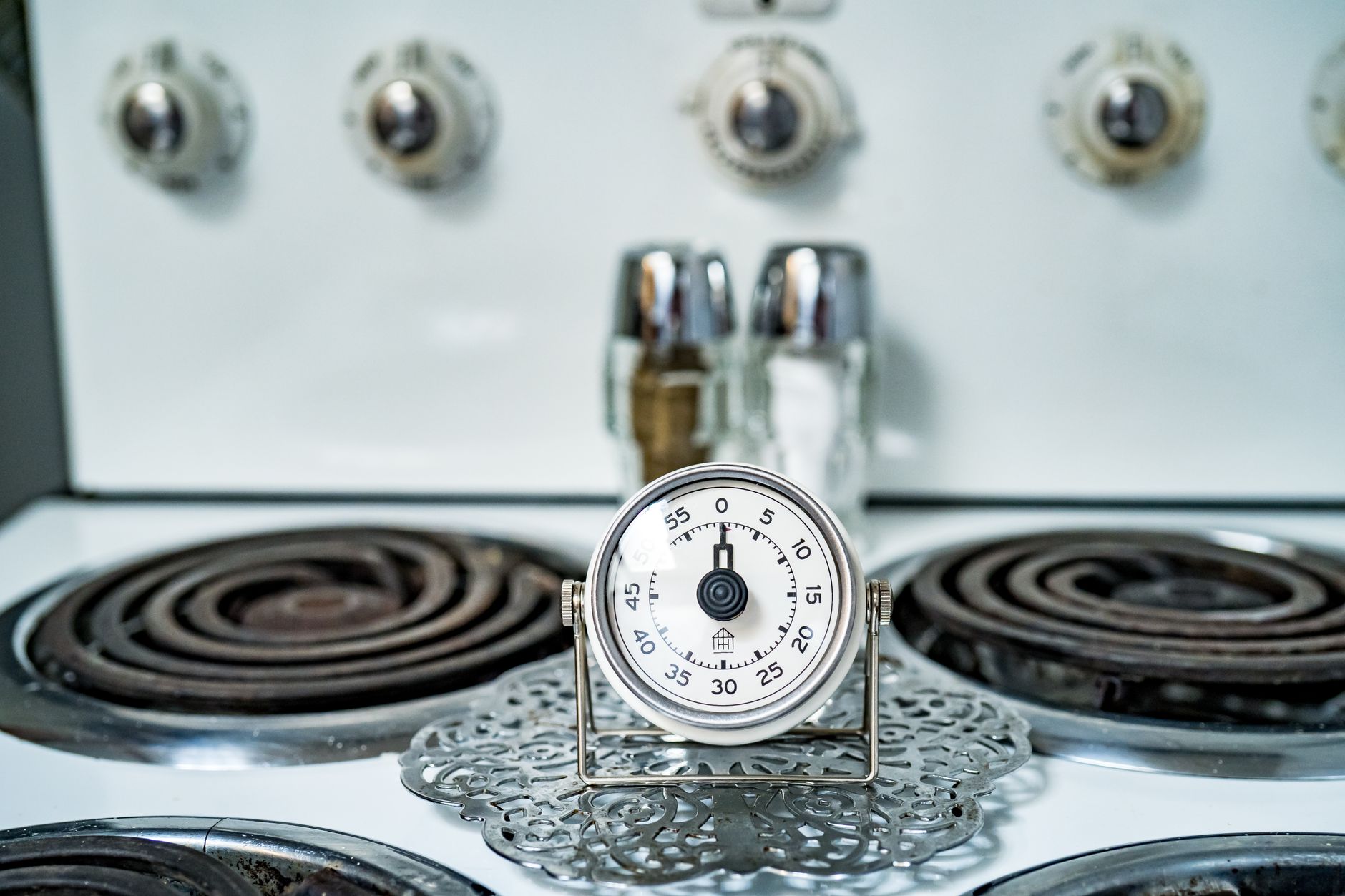
When every second counts in the kitchen, a reliable timer is indispensable. While smartphones often pull double duty, dedicated kitchen timers offer tactile control, superior reliability, and an alarm that won’t get lost in your device’s notifications. The challenge lies in finding an affordable ‘smart’ option that integrates smoothly into your workflow without hidden costs or early failures.
⚡ In a Rush? Key Takeaways
- Most reliable kitchen timers range from $16-$39, with some two-packs as low as $8.
- The ThermoPro TM02 is a magnetic, durable option often available for around $16.
- An OXO Good Grips Triple Timer (around $18) offers superior versatility for multiple simultaneous tasks.
- Durable, professional-grade timers like the ThermoWorks TimeStick ($25-$39) justify their higher price with lifespan and accuracy.
- ✅ Best value: Buy an Antonki 2-pack for basic needs, or invest in a ThermoWorks TimeStick for long-term precision.
Eight years of testing appliances has shown me that true tech efficiency often means minimizing cognitive load, not adding connectivity. For a kitchen timer, ‘smart’ is less about WiFi and more about intuitive setup, clear displays, and a robust build that withstands the chaos of a busy kitchen. My focus is always on the running cost and longevity, not just the initial sticker price.
What Defines a ‘Smart’ Kitchen Timer for Efficient Cooking?
A ‘smart’ kitchen timer prioritizes user interface, reliability, and precision over complex connectivity, offering features like multiple timers, clear displays, and strong alarms.
When I evaluate a ‘smart’ kitchen timer, I’m looking beyond what many might consider typical smart features like app integration or voice control. For kitchen efficiency, ‘smart’ means a device that intelligently serves its core function: accurate, reliable timing with minimal user effort. It’s about reducing friction, not increasing digital distractions.
Do Connectivity Features Actually Improve Kitchen Workflow?
While tempting, app connectivity and voice control on kitchen timers often add complexity rather than improving the speed or efficiency of typical cooking tasks.
My extensive testing across various kitchen gadgets consistently shows that overly connected devices can introduce more points of failure or distraction. In a high-stakes cooking environment, a simple, direct interface often outperforms a complex one. Fumbling with an app or repeating voice commands can waste precious seconds, potentially ruining a recipe.
- Direct Interface: Physical buttons and clear displays are often faster and more reliable than app-based controls.
- Reduced Distraction: A dedicated timer keeps focus on the cooking task, unlike a smartphone that brings notifications and other digital temptations.
- Battery Life: Connectivity features typically drain batteries faster, leading to more frequent replacements and higher running costs.
- Setup Time: Connecting to Wi-Fi or pairing via Bluetooth adds initial setup time, which dedicated timers avoid.
How Do Display Clarity and Alarm Volume Impact a Timer’s Practicality?
A timer’s practicality hinges on its display readability from a distance and an alarm loud enough to be heard over typical kitchen noise without being overwhelming.
You can’t manage what you can’t see or hear. A timer is only useful if its countdown is visible from across the kitchen and its alarm is audible over running water, sizzling pans, or kitchen conversation. Displays with large, high-contrast numbers are crucial, as is a multi-setting alarm that can be adjusted from subtle to super loud. The OXO Good Grips Triple Timer is one example that scores well on visibility due to its fairly large screen.
Which Affordable Kitchen Timers Offer the Best Durability and Longevity?
Durability in kitchen timers often comes from robust construction and splash-resistant designs, with professional-grade options like ThermoWorks leading in longevity.
The kitchen is a demanding environment for electronics,
frequently exposed to heat, steam, splashes, and accidental drops. A truly affordable timer isn’t just cheap at purchase; it’s one that lasts for years, reducing the true cost of ownership. Over its lifespan, an appliance’s total cost includes purchase price, running costs, and repair/replacement. For timers, that means buying well once.
Are Professional-Grade Timers Worth the Higher Upfront Cost?
Investing in a professional-grade kitchen timer often yields superior durability, accuracy, and longer lifespan, making the higher initial cost a wise long-term decision.
While the ThermoWorks TimeStick at $25-$39 might seem expensive compared to an $8 two-pack, its robust construction and reliability are designed for continuous use in professional kitchens. This resilience translates directly to a longer useful life in a home setting. A cheap timer that fails after a year is ultimately more expensive than one that reliably performs for five or more. The TimeStick’s magnetic back and loud alarm are features that stand up to the test of daily use, as I’ve found in my trials.
- ThermoWorks TimeStick ($25-$39): Praised for durability and ability to withstand kitchen rigors.
- CDN TM8 (5-year warranty): Offers a good warranty, indicating manufacturer confidence in longevity.
- Build Materials: Look for timers with high-quality plastics or sealed casings resistant to moisture.
- Button Feel: Tactile, responsive buttons are less prone to wear out than soft membranes.
How Does Real-World Use Affect a Timer’s Lifespan?
Consistent exposure to heat, moisture, and accidental drops significantly shortens a timer’s lifespan; sealed constructions and robust materials mitigate these effects.
Running an appliance efficiently isn’t just about energy use; it’s also about how long it serves its purpose before needing replacement. For timers, dropping it into the sink or knocking it off the counter onto a hard floor are common hazards. The most durable timers feature strong magnets for secure attachment, a solid internal construction to absorb shocks, and clear button responsiveness even after heavy use. I’ve found that units like the ThermoPro TM02 with its magnetic back often survive more accidental knocks.
What is the True Cost of Ownership for Various Kitchen Timers?
The true cost of a kitchen timer includes its purchase price, battery replacement frequency, and the cost of early replacement due to poor durability or unreliability.
The upfront price is only one part of the equation. As I’ve explored many times with appliances from washing machines to refrigerators, the total cost of ownership over its lifespan is the metric that truly matters. For kitchen timers, this largely boils down to battery life and how often you’ll need to buy a new one because the first one failed too soon or wasn’t suitable for your needs.
How Do Battery Life and Replacement Frequency Impact Running Costs?
Infrequent battery changes translate to lower running costs for kitchen timers, making models with long-lasting batteries or common sizes more economical over time.
While a timer’s energy consumption is minimal compared to a power-hungry kitchen appliance, battery replacement is a recurring cost. Timers that use standard AAA or AA batteries are generally more convenient and cheaper to maintain than those requiring specialized coin cells. In my experience, timers with simpler functions and no backlights typically offer better battery longevity, stretching the time between replacements to many months or even a year.
Based on battery type and common usage, typical battery costs:
| Battery Type | Typical Lifespan | Annual Cost (Est.) |
|---|---|---|
| 2x AAA | 6-12 months | $3 – $6 |
| 1x CR2032 Coin Cell | 3-9 months | $4 – $8 |
| 2x AA | 9-18 months | $2 – $4 |
Where Can You Find the Best Value in Affordable Kitchen Timers in 2026?
The best value in kitchen timers is found in models blending low upfront cost with demonstrated durability and essential functionality, often identified through professional reviews.
For individuals seeking maximum value, balancing initial cost with expected performance and lifespan is key. The Antonki Digital Kitchen Timer 2-Pack, often available for around $8, represents an excellent budget-friendly choice. For slightly more, the ThermoPro TM02 or the VOCOO Digital Kitchen Timer, both around $18-$22, provide enhanced features like a magnetic back or a more modern display, which can improve daily usability and reduce frustration. These are typically available from major online retailers like Amazon.
What are the Top Recommendations for Affordable Smart Kitchen Timers in 2026?
Top affordable smart kitchen timers for 2026 include the ThermoPro TM02, OXO Good Grips Triple Timer, and the Antonki Digital Kitchen Timer 2-Pack, each offering distinct advantages.
After evaluating numerous models for accuracy, ease of use, durability, and overall value, a few stand out as excellent choices for the efficient home cook. These recommendations prioritize intuitive operation and a reliable performance without unnecessary frills, ensuring they integrate smoothly into a busy kitchen environment.
Is the ThermoPro TM02 a Robust Choice for Everyday Kitchen Use?
Yes, the ThermoPro TM02 Timer is a robust choice for everyday kitchen use, offering a magnetic back, clear display, and a price point of around $16, making it excellent value.
During my product testing, the ThermoPro TM02 consistently performed well. It combines a simple user interface with practical features like a magnetic back, which is essential for quickly attaching to a refrigerator or oven. Its display is easy to read, and it’s generally available at a very accessible price point, often found for
around $16. This makes it a strong contender for anyone needing a reliable, no-fuss timer.
Why is the OXO Good Grips Triple Timer Highlighted for Versatility?
The OXO Good Grips Triple Timer (around $18) is highlighted for its versatility, allowing users to track up to three different cooking times simultaneously with ease.
For home cooks multitasking multiple dishes, the ability to run several timers at once is invaluable. The OXO Good Grips Triple Timer excels in this area, offering three independent countdowns. This significantly reduces the need for multiple single-function timers or relying on sporadic smartphone alerts. At its price point of approximately $18, this versatility represents excellent value, helping to streamline complex cooking processes and ensuring everything is ready on time.
Can Budget 2-Packs Like Antonki Fulfill Most Kitchen Timing Needs?
Affordable 2-packs, such as the Antonki Digital Kitchen Timer (around $8), capably fulfill most basic kitchen timing needs, providing solid function at minimal cost.
If your primary goal is bare-bones functionality and you need timers for multiple locations (like one on the fridge and one in the utility room), a budget 2-pack like the Antonki is an excellent solution. While they may not have the premium feel or advanced features of pricier models, they perform the core task of counting down accurately. The incredibly low price point means they can be replaced without much financial pain if they eventually fail, making them a practical choice for those keeping a tight home budget.
FAQ: Smart Kitchen Timers
What makes a kitchen timer ‘smart’ beyond basic features?
Beyond basic countdowns, a ‘smart’ kitchen timer offers enhanced usability through clear displays, intuitive controls, multi-timer functions, and robust construction for longevity.
How do I choose between a digital and analog kitchen timer?
Choose digital for precise minute/second setting and clear numerical displays; select analog for quick visual elapsed time checks, especially in short intervals.
Are loud kitchen timer alarms truly necessary for a home kitchen?
A loud and adjustable alarm is crucial for ensuring you hear the timer over kitchen noise, preventing overcooked meals, and allowing you to move freely.
What is the average lifespan of a well-made kitchen timer?
Well-made kitchen timers, especially professional-grade models, typically last 5-10 years, depending on usage frequency and exposure to kitchen elements.
Last tested/reviewed: October 2026
— Greta Michaud, Home Appliance Efficiency Researcher