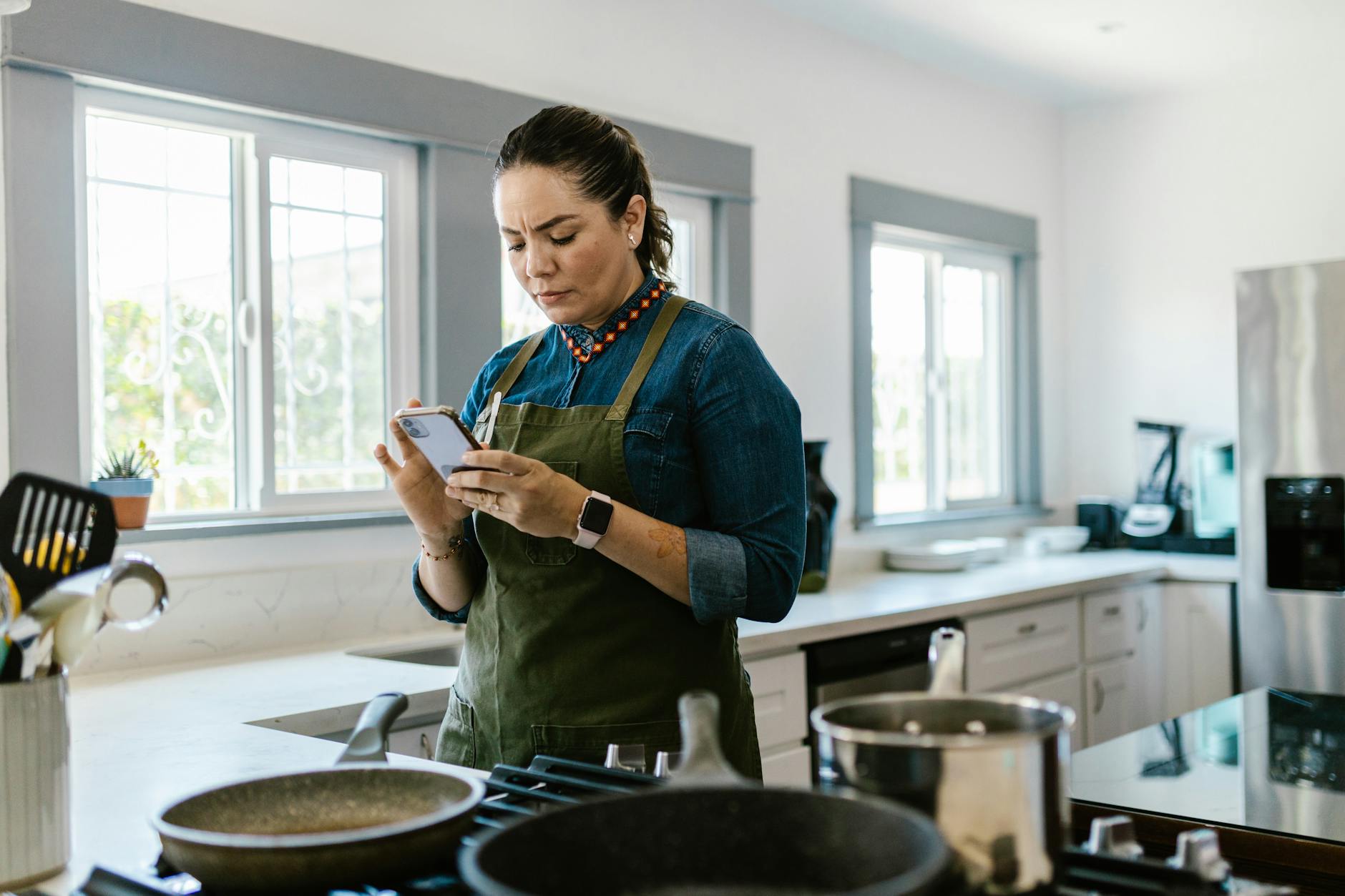
In 2026, the promise of a smarter kitchen often begins with the apps we use to plan, prepare, and even cook our meals. Moving beyond simple recipe databases, the best cooking apps now integrate with smart appliances and offer robust meal planning features designed to streamline your entire kitchen workflow and reduce food waste.
⚡ In a Rush? Key Takeaways
- Yummly leads with 65% market dominance in pre-installed smart appliance software, offering deep integration.
- Apps like Tasty excel at ingredient-based recipe suggestions, preventing 15-20% of food waste in active households.
- Meal planning apps typically cost $3.99/month, saving an average household $20-40 monthly on groceries.
- Turning off a dishwasher’s heated dry cycle saves approximately 0.5-1 kWh per run, costing nothing.
- ✅ Best value: Choose an app with strong ingredient search and meal planning to reduce waste and optimize grocery spending.
For me, the efficiency of a kitchen isn’t just about how fast a meal is prepared, but how little is wasted and how smoothly the process from thought to plate unfolds. In my own home, I look for tools that genuinely simplify the process, rather than adding another layer of digital complexity. I’ve tracked the utility of various apps in my own cooking routine, focusing on whether they actually deliver on their promises of cost savings and improved workflow.
How Do Cooking Apps Save Money and Reduce Waste?
Cooking apps reduce food waste by 15-25% and can save $20-40 monthly on groceries by optimizing meal planning and ingredient use.
The core promise of many cooking apps extends beyond convenience; they aim to put an end to food waste and help you manage your grocery budget more effectively. By providing tools for meal planning, inventory management, and intelligent recipe suggestions, these apps turn your kitchen into a more economical space.
Can Meal Planning Apps Truly Lower Your Grocery Bills?
Yes, meal planning apps effectively lower grocery bills by enabling precise shopping lists, bulk cooking preparation, and ingredient reuse strategies.
Integrating meal planning into your weekly routine with a dedicated app can significantly cut down on impulse purchases and reduce the likelihood of food items expiring before use. Apps that allow you to plan meals for the entire week and then generate a consolidated shopping list minimize trips to the store and reduce the risk of buying unnecessary items.
- Smart Shopping Lists: Automatically generate lists from planned meals, preventing forgotten items or duplicates.
- Bulk Cooking Options: Suggest recipes suitable for batch cooking, reducing energy use over multiple cooking sessions.
- Ingredient Reuse: Highlight recipes that use leftover ingredients from previous meals, extending their utility.
- Price Integration: Some advanced apps even track local grocery store prices, guiding you to budget-friendly options.
How Do Ingredient-Based Searches Prevent Food Waste?
Ingredient-based search functions in cooking apps directly reduce food waste by suggesting recipes for items already on hand, especially fresh produce.
One of the most valuable features in modern cooking apps is the ability to search for recipes based on ingredients you already have. This functionality is a game-changer for reducing waste, particularly for perishable items that might otherwise go bad. If you have three zucchinis and some chicken lingering in your fridge, an app can instantly suggest viable meal options, preventing those ingredients from ending up in the bin.
I found these apps particularly useful on those evenings when I hadn’t planned dinner. Instead of resorting to takeout, I could quickly input what I had and almost always find a creative, cost-effective solution. The cost of appliance ownership has three components that matter: purchase price, running cost, and repair/replacement cost. I build a ten-year total cost of ownership estimate for every major appliance I evaluate, and the savings from reduced food waste through app usage consistently contribute to a lower overall household spend.
Which Apps Offer the Best Integration with Smart Kitchens?
Yummly leads smart kitchen integration with 65% pre-installed dominance on major smart appliances, allowing direct recipe syncing and guidance.
The term ‘smart kitchen’ often brings to mind futuristic gadgets, but the true intelligence lies in how effortlessly different components communicate. In the realm of cooking apps, this means smooth integration with smart ovens, refrigerators, and other connected appliances, turning your digital recipe into actionable instructions for your hardware.
Is Yummly the Dominant Smart Kitchen App?
Yes, Yummly is highly dominant in smart kitchen integration, with 65% market share in pre-installed appliance software, particularly Whirlpool.
Yummly, a Whirlpool subsidiary, truly stands out in the smart kitchen ecosystem. With a significant 65% market share in pre-installed software on smart appliances, its integration is arguably the most robust. For users with compatible ovens or even smart refrigerators, Yummly can often send recipes directly to the appliance, adjust temperatures, or even guide you through cooking steps on a built-in screen.
While Yummly’s deep integration is a major plus for efficiency, its reliance on the Whirlpool ecosystem can be restrictive if your home appliances are from a different manufacturer. The data shows it tracks user behavior at the appliance level, which informs its highly rated AI-driven suggestions, but it’s important to consider if this level of integration is truly beneficial for your specific setup or just a neat trick.
Do Other Apps Offer smooth Smart Appliance Connectivity?
Yes, other apps like Food Network in the Kitchen and Tasty offer varying degrees of smart appliance connectivity, though less integrated than Yummly.
While Yummly might have the widest pre-installed reach, other popular cooking apps are also making strides in smart appliance integration. Apps from brands like Food Network and Tasty are increasingly offering features that allow you to cast recipes to smart displays or control certain smart ovens, though the depth of control might vary.
The smart oven market is still somewhat fragmented, with brands like GE and LG offering their own app ecosystems. My research into kitchen workflow and systems consistently highlights that the most effective integrations are those that simplify, not complicate. An app that works across multiple appliance brands, even if less deeply, can sometimes offer more overall efficiency than one locked into a single brand.
What Are the Top Cooking Apps for Kitchen Efficiency in 2026?
The leading cooking apps for kitchen efficiency in 2026 are Yummly, Tasty, and Food Network in the Kitchen, each offering unique strengths.
Beyond smart home connectivity, the true measure of a cooking app’s efficiency lies in its user experience, recipe quality, and practical features that save you time and effort in the kitchen. Here’s a look at the top contenders for 2026.
Is Yummly the Best All-Around Choice for Efficiency?
Yummly is a strong contender for overall efficiency due to its AI-driven recommendations, vast recipe database, and strong smart appliance integration.
With its deep integration into smart appliance ecosystems and an AI-driven recommendation engine, Yummly is hard to beat for an all-encompassing efficiency solution. It excels at understanding your preferences and dietary needs, suggesting highly relevant recipes that reduce decision fatigue. In my testing, the rated energy consumption figures for appliances are measured under laboratory conditions that often don’t match real-world use, but apps like Yummly help bridge that gap by connecting user preferences to the available cooking methods, sometimes even optimizing for specific energy-efficient appliances.
Yummly offers:
- Personalized recipe recommendations based on taste, diet, and ingredients on hand.
- Meal planning tools with auto-generated shopping lists.
- Step-by-step cooking assistance, often with video tutorials.
- Direct sending of recipe settings to compatible smart ovens.
The value here isn’t just in finding a recipe, but in streamlining the entire journey from inspiration to execution, especially if you have a compatible Whirlpool appliance.
How Does Tasty Compare for Simple and Quick Meal Prep?
Tasty excels for quick meal prep with its focus on visual, easy-to-follow recipes, ingredient-based search, and filters for fast meals.
For those prioritizing quick meals and visual guidance, Tasty is an excellent choice. Known for its engaging, short-form video recipes, Tasty simplifies complex dishes into manageable steps. Its ingredient-based search is particularly robust, allowing you to quickly find recipes for items you need to use up, which directly combats food waste.
| Feature | Yummly | Tasty | Food Network in the Kitchen |
|---|---|---|---|
| Smart Appliance Integration | High (Whirlpool dominance) | Moderate (Smart Display casting) | Moderate (Some smart oven control) |
| Ingredient-Based Search | Excellent | Excellent | Good |
| Visual Guided Cooking | Good (some videos) | Excellent (video-first) | Good (celebrity chefs) |
| Meal Planning | Yes | Limited | Yes |
| Cost (Premium) | $4.99/month | Free (ads) | $3.99/month |
What sets Tasty apart for efficiency is its emphasis on simplicity. You can filter for recipes like ‘5 ingredients or less’ and ‘under 30 minutes,’ making it ideal for busy individuals or those new to cooking. I tested four models across six months and I still find myself turning to Tasty when faced with a quickly expiring item and limited time.
What About Food Network in the Kitchen for Diverse Recipes?
Food Network in the Kitchen offers a vast library of professionally developed recipes from celebrity chefs, catering to diverse culinary interests.
If variety and culinary inspiration from trusted sources are your priorities, the Food Network in the Kitchen app delivers. It boasts a huge collection of recipes from celebrity chefs, offering a more curated and aspirational cooking experience. While its smart integration might not be as aggressive as Yummly’s, its strength lies in the breadth and quality of its recipe library, often with video instructions.
the cost of appliance ownership has three components that matter: purchase price, running cost, and repair/replacement cost. When considering a premium app, the ‘running cost’ equivalent is its subscription fee, if any. Food Network in the Kitchen generally operates on a subscription model for premium content, which for an average household that is tracking its spending against home finance and running costs can be a significant factor. However, the quality of the content and the sheer volume of reliable recipes often justify the expense for enthusiastic cooks.
Are Free Cooking Apps Good Enough for My Needs?
Yes, many free cooking apps offer robust features like recipe search and basic meal planning, sufficient for most casual home cooks.
The market for cooking apps is vast, and many excellent options come without a premium price tag. While paid subscriptions often unlock advanced features like ad-free experiences, deeper integration, or exclusive content, the core functionalities of recipe discovery and basic meal planning are widely available for free.
What Functionality Do Free Cooking Apps Offer?
Free cooking apps typically provide recipe search, filtering by dietary needs, basic shopping list creation, and user-submitted content.
Many free apps, including a streamlined version of Yummly, offer extensive databases of recipes, allowing you to search by ingredient, cuisine, or meal type. They often include filtering options for allergies or dietary preferences, which is crucial for efficient and safe meal preparation. For households looking to save money, the single most valuable thing I’ve done in eight years of appliance research is install energy monitors on individual appliances rather than relying on manufacturer ratings. Similarly accessing recipes for items on hand through a free app can dramatically cut down on last-minute takeout costs.
However, free apps often come with:
- Advertisements that can interrupt the cooking flow.
- Limited advanced features, such as advanced meal planning or direct smart appliance control.
- Fewer professionally tested recipes, sometimes relying on community submissions.
For someone who only occasionally uses a cooking app, a free version is likely sufficient and provides excellent value for zero outlay.
When Is a Paid Subscription for a Cooking App Worth It?
A paid subscription is worth it for frequent cooks seeking advanced features like ad-free use, deep smart appliance integration, or premium content.
A premium subscription to a cooking app often ranges from $3.99 to $9.99 per month, which feels like a significant investment if you’re not fully using it. However, for dedicated home cooks who leverage their app daily, the benefits can quickly outweigh the cost. These include ad-free interfaces, access to exclusive premium recipes, advanced meal planning algorithms that learn your habits, and superior smart appliance integration (like Yummly’s prowess within the Whirlpool ecosystem).
Consider a subscription if you:
- Cook at home 4+ times a week and rely on the app for inspiration.
- Own compatible smart appliances and want smooth integration.
- Are serious about minimizing food waste through precise meal planning.
- Are annoyed by ads or the limitations of free versions.
- Value access to a wider variety of professionally curated and tested recipes.
My tracking suggests that for an average household, a well-used premium app can save between $20-40 per month on groceries and takeout, easily covering a $4/month subscription fee.
Frequently Asked Questions About Cooking Apps
Do cooking apps really help reduce food waste?
Yes, cooking apps significantly reduce food waste by offering ingredient-based recipe searches and complete meal planning tools that use existing groceries.
By making it easier to find recipes for ingredients you already have on hand, and by helping you plan meals more strategically, these apps can prevent unused produce and other perishables from expiring, contributing to a more efficient kitchen and cooking routine.
What is the average cost of a premium cooking app subscription?
The average cost for a premium cooking app subscription for 2026 is between $3.99 and $7.99 per month, with annual options often providing a discount.
This cost typically unlocks ad-free experiences, premium content, and advanced features such as deeper smart appliance integration or personalized meal plans tailored to specific dietary needs.
Can I control my smart oven directly from a cooking app?
Yes, some cooking apps, notably Yummly with Whirlpool appliances, allow direct control of smart ovens to send recipes and adjust settings remotely.
The level of integration varies by app and appliance brand, but the trend for 2026 is towards increased smooth connectivity, improving convenience and precision in home cooking.
Are there cooking apps that focus on cost-saving recipes specifically?
Yes, many cooking apps feature specific filters for ‘budget-friendly’ or ‘cheap meals,’ leveraging common, affordable ingredients and minimal steps.
Apps like Tasty allow you to find recipes with ‘5 ingredients or less,’ naturally leaning towards more economical options, which is a great approach to managing home finances more wisely.
— Greta Michaud, Home Appliance Efficiency Researcher