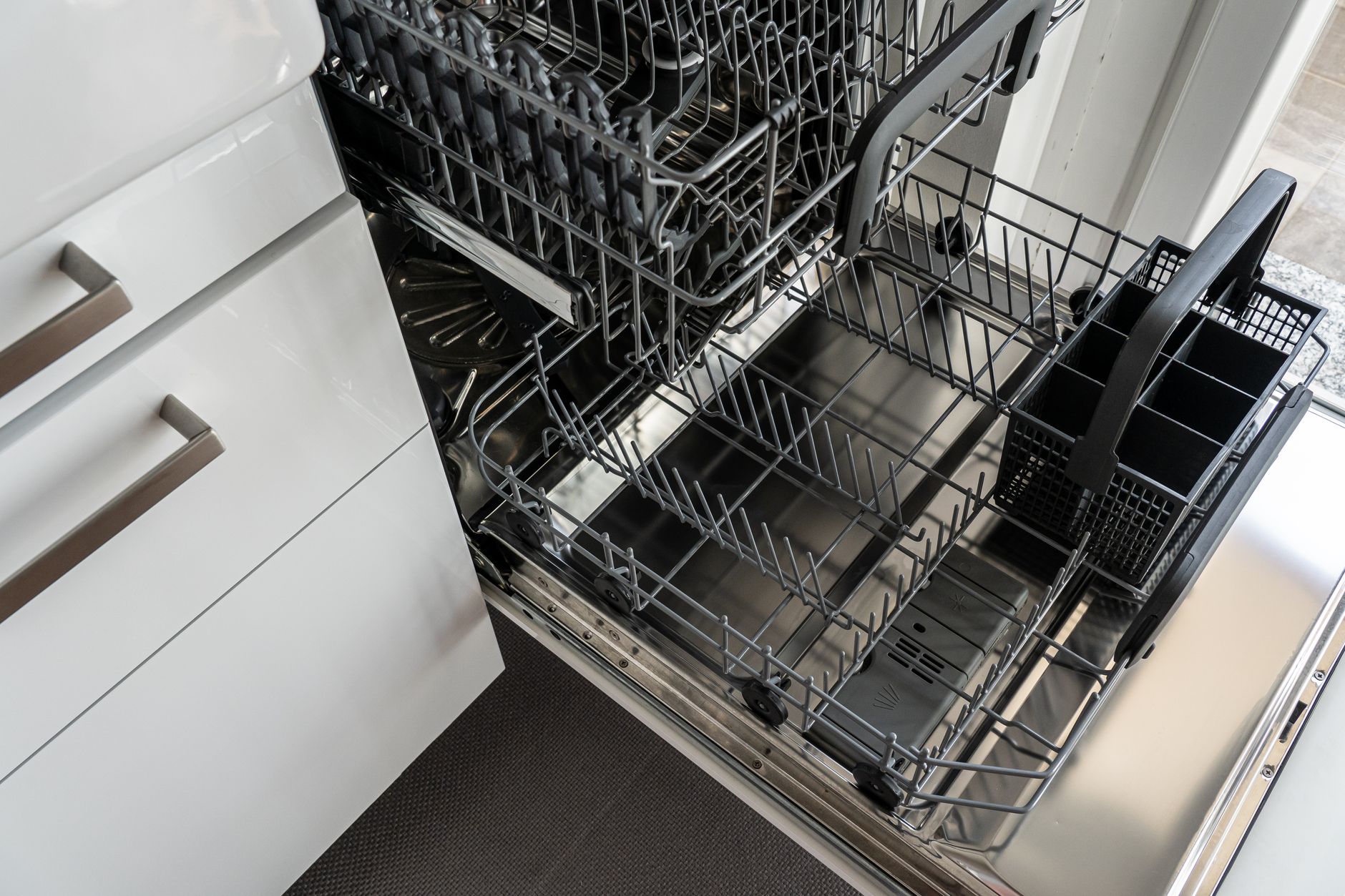
The best dishwashers for 2026 are those that balance low energy consumption, typically below 0.7 kWh per cycle, with robust cleaning performance and a lifespan exceeding ten years. Selecting the right model requires looking past the purchase price toward the cumulative energy and water costs that occur over the life of the machine.
⚡ In a Rush? Key Takeaways
- Modern high-efficiency dishwashers use under 3 gallons of water per full load.
- Choosing an A-rated unit saves roughly $40–$60 in electricity annually.
- Hard water maintenance with salt adds $30/year but prevents $300+ in repairs.
- ✅ Top pick for efficiency is the Bosch 800 Series for its heat exchange design.
Which Features Actually Improve Dishwasher Efficiency?
Efficiency is driven by heat exchange drying, sensors that detect turbidity to adjust water use, and cold-fill connections that reduce energy.
How Does Soil-Sensing Technology Reduce Waste?
Soil sensors measure water clarity during the pre-rinse to set the exact cycle time, preventing wasted water on lightly soiled loads.
Most modern dishwashers include turbidity sensors. These sensors detect how much food residue is in the water. If the water is clear, the machine shortens the cycle.
This prevents the unit from running a heavy-duty cycle for a light load. You can save up to 20% on water usage just by using auto-sensing modes.
- Prevents unnecessary heated rinses
- Reduces total cycle time by 15 minutes
- Optimizes detergent usage for the load size
Why Is Heat Exchange Drying Better Than Heating Elements?
Heat exchange systems use ambient temperature differences to dry dishes without high-wattage heating elements that spike energy use.
Traditional machines use an exposed heating element to bake dishes dry. This process consumes significant electricity, often 0.5 kWh or more per cycle.
Heat exchange technology relies on the stainless steel tub cooling down faster than the dishes. This forces moisture to condense and drain away naturally.
Are Cold-Fill Connections More Cost-Effective?
Cold-fill connections allow the dishwasher to heat water internally, which is more energy-efficient than pulling from a home hot water tank.
Pulling hot water from your home heater often fills the pipe with cold water before the heat arrives. This waste is inefficient and slows down the cleaning process.
An internal heater ensures the water reaches the exact temperature needed. This improves cleaning results while lowering energy load.
How Do You Minimize Lifetime Dishwasher Costs?
Minimizing lifetime costs requires proper maintenance of spray arms, use of high-quality rinse aid, and selecting a machine with a steel tub.
Is Salt and Rinse Aid Necessary in Hard Water Areas?
Salt prevents limescale buildup on the heating element, while rinse aid allows for efficient water sheeting that speeds up natural drying.
Hard water is the primary cause of early heating element failure. A $30 investment in salt and rinse aid per year protects your hardware investment.
You can read more about maintaining your dishwasher to extend its operational life. Without these, your repair costs could hit $400 within a few years.
Why Choose Stainless Steel Over Plastic Tubs?
Stainless steel tubs retain heat better than plastic, helping faster drying and providing a more hygienic, stain-resistant environment.
Plastic tubs tend to harbor smells and scratches over time. Stainless steel is more durable and allows for higher internal operating temperatures.
Higher temperatures mean better sanitation and fewer cycles required for deep cleaning. This effectively lowers your water consumption over time.
When Should You Replace an Inefficient Older Dishwasher?
Replace an older unit if it uses more than 5 gallons per cycle or has a failing pump, as repairs rarely offer long-term financial ROI.
Units manufactured before 2010 often use twice the water of current models. If yours is noisy or failing to dry, it is likely leaking energy.
How Do Smart Features and Connectivity Impact Efficiency?
Wi‑Fi enabled dishwashers let you start, pause, or monitor cycles via a smartphone app, which can reduce wasted energy by avoiding half‑load runs and enabling off‑peak scheduling.
Many models integrate with voice assistants (Alexa, Google Assistant) for hands‑free control and can send maintenance alerts—such as filter‑cleaning reminders—that keep the machine operating at peak efficiency.
Some smart dishwashers also offer load‑sensing algorithms that adjust water temperature and cycle length based on the detected load size, further cutting unnecessary heating and water use.
Frequently Asked Questions About Dishwashers
Is it cheaper to wash dishes by hand?
No, a modern dishwasher uses significantly less water and energy than hand washing, saving approximately 10 gallons per full load.
Can I run my dishwasher at night to save money?
Yes, if your utility provider offers time-of-use billing, running your machine during off-peak hours can reduce total electricity costs.
How often should I clean the dishwasher filter?
Clean the filter monthly to ensure optimal water circulation, which prevents the machine from overworking its pump and wasting electricity.
Does the eco mode really save energy?
Eco mode uses lower temperatures and longer cycles to clean effectively, consuming up to 40% less energy than standard wash cycles.
Bottom Line on Efficiency
Choosing the right dishwasher is about evaluating how you live. If you run the machine daily, the efficiency rating is paramount. Always check the annual kWh usage on the yellow energy guide tag before you buy.
Consider how your kitchen workflow integrates with your appliance. A well-placed dishwasher, when used with full loads and eco settings, is the most efficient method for cleaning dishes in the modern home. — Greta Michaud, Home Appliance Efficiency Researcher