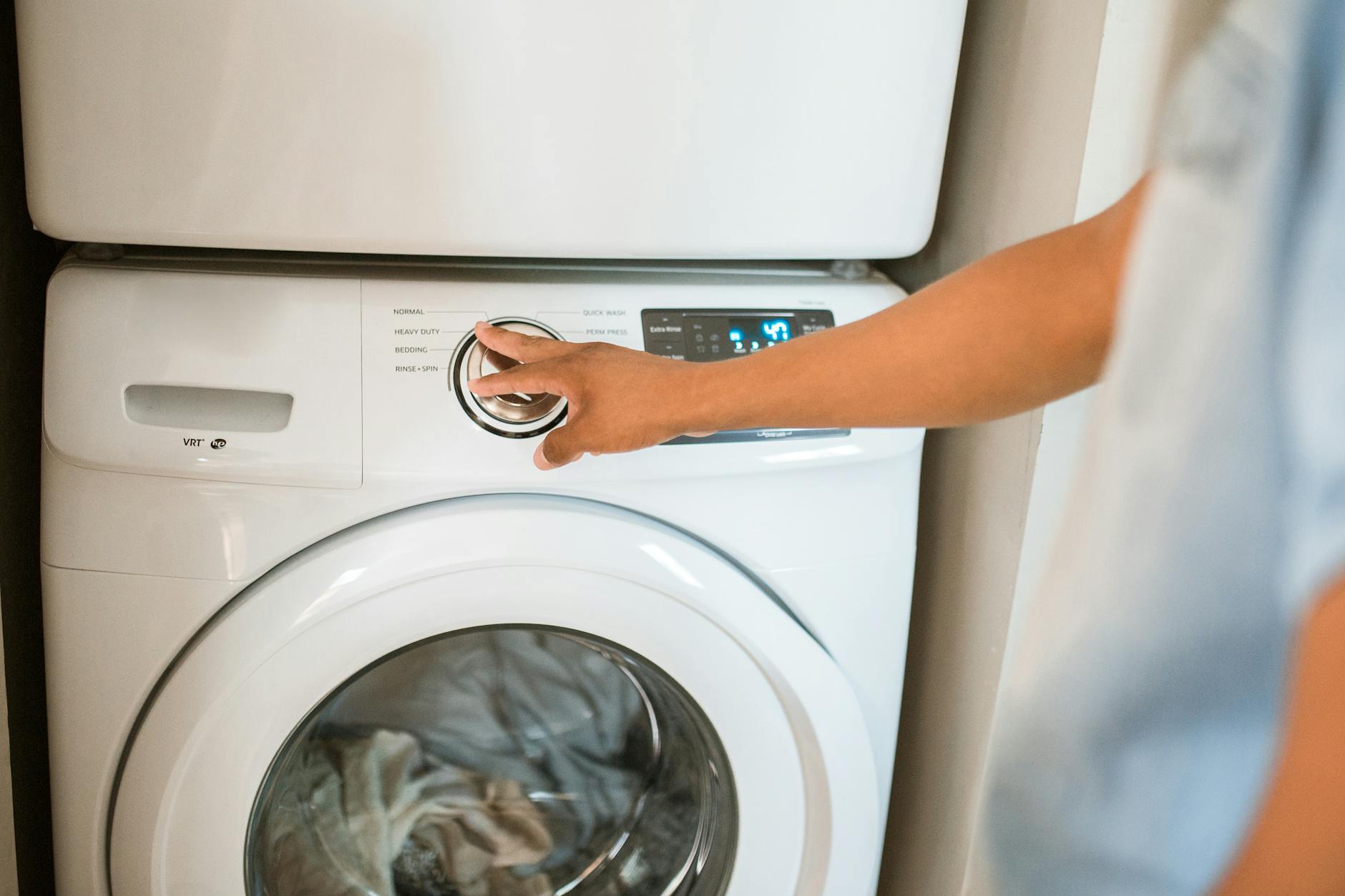
The best energy efficient washing machine for most U.S. households is an ENERGY STAR certified front loader sized to your laundry volume, run mostly on cold cycles. This guide is based on EIA electricity prices, U.S. Department of Energy guidance and ENERGY STAR program data, not on hands-on lab testing.

Check today’s price on Amazon: Kenmore front load washer
Quick Answer: Best Energy Efficient Washing Machines
- Look for the ENERGY STAR label first: ENERGY STAR says certified clothes washers use about 25% less energy and about 33% less water than standard models.
- Front loaders generally use less water per load than top loaders, and a 4.5 cu. ft. front load washer suits a family-sized household.
- If you prefer a top loader, a top load washer with an impeller avoids a central agitator, which leaves more room in the drum.
- In a small space, a ventless washer dryer combo fits where two machines will not.
- Wash cold whenever you can: according to the Department of Energy, most of a washer’s energy goes to heating water.
📊 The number that matters
At the EIA August 2026 residential average of 18.16¢ per kWh, every 100 kWh a washer uses in a year costs about $18.16. Machine choice moves that figure far less than your water temperature setting does.
What Energy Efficient Means for a Washer
A washer uses energy in two ways: the motor that spins the drum, and the heat that warms the water. The EnergyGuide label on every new U.S. washer estimates yearly energy use and cost, and the ENERGY STAR mark means the model meets the program’s efficiency requirements. Compare the label figure rather than marketing claims, and check the label on the exact model you buy.
Water matters too. ENERGY STAR says certified washers use about a third less water than standard models, which also reduces the energy your water heater spends on every load.
What a Year of Washing Costs
The chart below turns three round annual-use figures into dollars at the current national average electricity price. Use it to see how much is really at stake before paying extra for a feature.
Annual electricity cost at the EIA August 2026 U.S. residential average of 18.16¢/kWh. The kWh-per-year figures are round illustrative inputs, not measurements of any model: read the EnergyGuide label on the machine you are considering.
Even the highest figure here is under $50 a year in electricity. The gap between an efficient and a middling machine is real but modest, so water use, capacity and reliability should weigh as much as the energy figure. If your water heater is gas, the heating share of the cost shows up on your gas bill instead.
See the latest deal on a Kenmore top load washer
Front Load, Top Load or Combo
Front load washers
Front loaders are the usual pick for efficiency because they typically use less water per load. A Kenmore front load washer in the 4.5 cubic foot class holds a family-sized load. Stacking is possible with a matching dryer, which helps in tight laundry rooms.
Top load washers
Top loaders are easier on the back and often cheaper up front. A Kenmore top load washer with an impeller replaces the tall central agitator with a low-profile wash plate. Check the EnergyGuide label for the exact figure, since top loaders vary widely.
Washer dryer combos
For apartments and closets, an all-in-one front load washer dryer combo such as the Midea 2.7 cubic foot model trades capacity for footprint. Ventless drying is slower, so it suits smaller households. Our guide to heat pump versus condenser dryers explains how ventless drying affects running cost, and the best washer for a small apartment guide covers compact options in more detail.

How to Cut Washer Energy Use
- Wash cold. The Department of Energy notes that heating water is the largest part of a washer’s energy use.
- Run full loads, within the manufacturer’s capacity guidance.
- Choose a high spin speed if the machine offers it, so the dryer has less water to remove.
- Use the right amount of detergent for a high-efficiency washer.
When Replacement Pays Off
If your current washer is old, compare its EnergyGuide label or your own estimate of its use against a new ENERGY STAR model, then use the 18.16¢ per kWh figure above to see the yearly gap. When the electricity and water savings are small, a repair may make more sense than buying new.
Washing Machine Cost per Load Calculator
The kWh values pre-filled are examples, not measurements: use your EnergyGuide label for the machine and your water heater setup for the heating figure. Default rate is the EIA August 2026 U.S. residential average.
Black Friday and Cyber Monday Washer Deals
Black Friday and Cyber Monday 2026 deals on washing machines are coming — bookmark this page and check back from 27 November for live price drops.
View on Amazon: Kenmore front load washer
FAQ
Are front load washers more efficient than top loaders?
They typically use less water per load, but efficiency varies by model, so compare the EnergyGuide label on each one.
Does washing cold really save money?
Yes. According to the Department of Energy, heating water accounts for most of the energy a washer uses, so cold cycles cut the bulk of the cost.
Is an ENERGY STAR washer worth it?
ENERGY STAR says certified washers use about 25% less energy and 33% less water than standard models. Whether that pays back depends on how much you wash and what you pay for electricity and water.
Sources: U.S. Energy Information Administration, Electric Power Monthly (August 2026 residential average); ENERGY STAR clothes washer program; U.S. Department of Energy laundry guidance. As an Amazon Associate we earn from qualifying purchases.