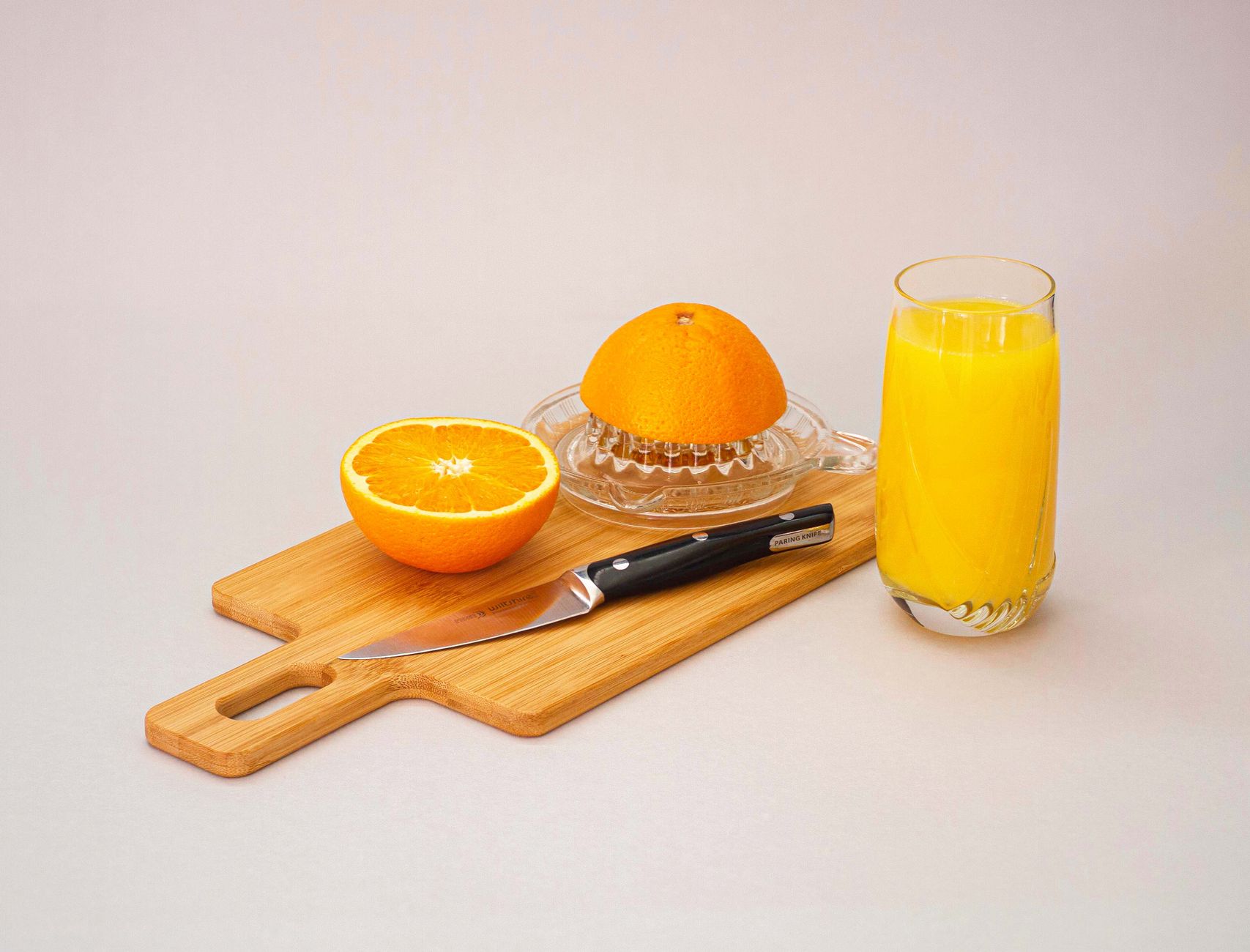
The best juicer in 2026 is a low-speed masticating model if you prioritise nutrient yield and leafy greens, or a high-speed centrifugal unit if you prefer speed and ease of cleaning for simple fruit juices. Choosing between them comes down to whether you view juicing as a daily health ritual or a quick occasional task.
⚡ In a Rush? Key Takeaways
- Cold press juicers offer 20-30% higher juice yield from leafy greens than centrifugal models.
- Centrifugal juicers reduce prep time by up to 50% due to larger feed chutes.
- Daily juicing costs roughly $2-4 per serving depending on seasonal produce prices.
- Cleanup time averages 8 minutes for masticating juicers vs 3 minutes for centrifugal units.
- ✅ Best for daily health: A masticating juicer for longevity and nutrient retention.
What Are the Main Differences Between Juicer Types?
Juicers fall into two distinct categories: slow masticating models that press produce and fast centrifugal units that use spinning blades.
Why Choose a Masticating (Cold Press) Juicer?
These machines crush produce at low speeds to extract maximum juice volume while minimising oxidation and heat-related nutrient loss.
Masticating juicers operate by slowly grinding fruit and vegetables against a screen. This process results in a thicker, nutrient-dense juice that keeps fresh in the refrigerator for up to 48 hours.
While they are slower, the yield is significantly higher for difficult ingredients like kale, spinach, and wheatgrass. You will find that your grocery bill for produce feels lighter over time because you simply get more liquid from every bag of greens.
- Produces less foam and oxidation
- Quiet operation during morning use
- Excellent for hard vegetables like carrots
- Extends the shelf life of stored juice
Why Choose a Centrifugal Juicer?
Centrifugal juicers use a rapidly spinning metal blade to shred produce, forcing juice through a mesh screen via centrifugal force.
If you value speed above all else, centrifugal models are hard to beat. They are designed for busy households where you want a glass of orange or apple juice in under 60 seconds.
These units are often more affordable and feature wider chutes, meaning you spend less time chopping produce. However, they struggle with leafy greens and the juice should ideally be consumed immediately as it oxidises quickly.
How Do They Compare on Running and Maintenance Costs?
Masticating models are more expensive upfront but often last longer, while centrifugal juicers are cheaper to buy but have shorter lifespans.
| Feature | Masticating | Centrifugal |
|---|---|---|
| Speed | Slow | Fast |
| Leafy Greens | Excellent | Poor |
| Cleanup | Moderate | Easy |
| Lifespan | High | Low to Moderate |
Which Juicer Features Actually Impact Daily Workflow?
Focus on feed chute size, noise levels, and the number of dishwasher-safe parts when assessing which machine fits your kitchen life.
Does Feed Chute Size Affect Prep Time?
A wide feed chute allows you to insert whole fruits, eliminating the time spent chopping vegetables into small pieces every morning.
Many entry-level models have narrow tubes that require significant pre-chopping. This adds 5-10 minutes to your routine, which is often why juicing becomes a burden rather than a habit.
When reviewing machines, look for “whole-fruit” chutes. These features allow you to drop in whole apples or peeled oranges, dramatically simplifying your kitchen workflow.
Are Some Juicers Easier to Clean Than Others?
Ease of cleaning is the single most important factor, as models that are difficult to scrub are usually abandoned after one month.
Look for machines with minimal internal parts. Some masticating models have complicated screens that require specialised brushes to clear the fibres after every use.
Always verify if the components are dishwasher safe. If you have to hand-wash three separate filters every single morning, the probability of you sticking to a home organisation goal of daily juicing drops significantly.
How Much Noise Do Different Juicers Produce?
Masticating juicers operate at a low hum, while centrifugal models produce a loud, high-pitched mechanical sound during operation.
If you have an open-plan living area or early risers in the home, the noise profile matters. Masticating units operate at roughly 50-60 dB, which is quiet enough for conversation.
Centrifugal units can reach 80-90 dB, similar to a vacuum cleaner. For those living in smaller spaces, this acoustic difference can be a deal-breaker for early morning usage.
Frequently Asked Questions About Juicing
-
Is Juicing Cheaper Than Buying Bottled Juice?
Juicing at home is cheaper per ounce, though it requires a higher initial investment in produce and appliance maintenance.
-
How Long Does Fresh Juice Last?
Fresh juice from a masticating machine lasts up to 48 hours in an airtight glass container kept in the refrigerator.
-
Do I Really Need to Peel Everything?
Hard skins like pineapple or citrus should be removed, but fruits like apples and pears can be juiced whole if seeds are removed.
-
Can I Use My Juicer for Other Tasks?
Some high-end masticating juicers include attachments for making nut milks, sorbets, or even baby food, adding to their overall utility.
These common questions address the practical realities of owning and maintaining a juicer for consistent long-term home health use.
Investing in equipment that supports efficient cooking patterns will always yield better long-term value than buying single-purpose gadgets that sit unused in cupboards. Choose a model that matches your actual daily habit, not your aspirational one.
— Greta Michaud, Home Appliance Efficiency Researcher