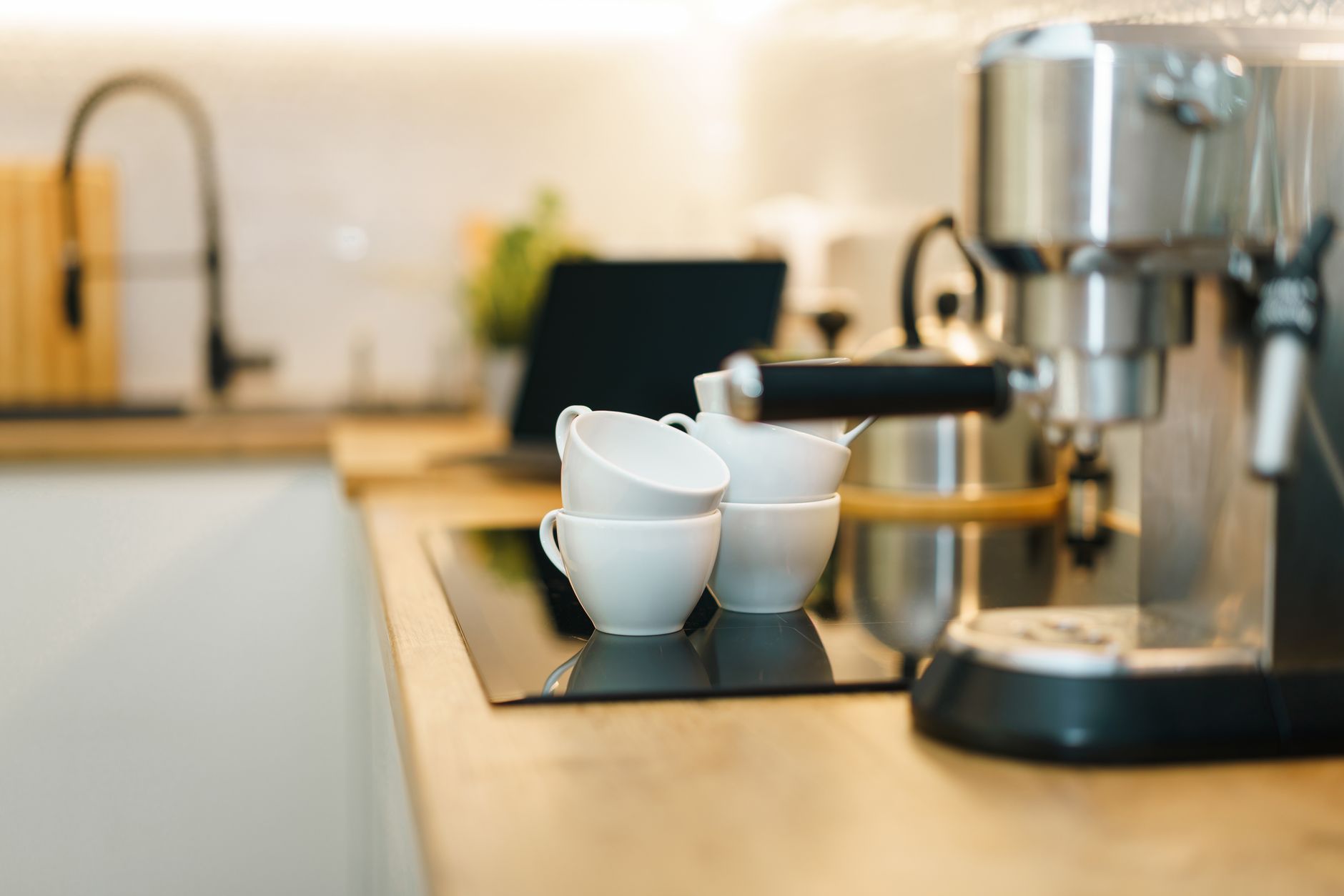
In an increasingly connected home, even the morning brew has gone digital. Smart coffee makers offer features like app control, voice assistant integration, and scheduled brewing, promising unparalleled convenience. But in 2026, with energy costs ever-present, is the added complexity and price premium for these connected features truly worth it?
⚡ In a Rush? Key Takeaways
- Smart features add $50-$150 to a coffee maker’s price, often for convenience not fundamental performance.
- App control and scheduling reduce morning friction, saving ~5-10 minutes daily for those with routines.
- Voice control utility varies by system, but can initiate a brew with ~15% fewer steps than manual.
- Running cost is similar to non-smart models, typically $12-25/year for daily use at average rates.
- ✅ Best value: Choose models where app scheduling genuinely streamlines an established morning routine.
I find that many connected kitchen appliances promise more than they deliver in practical terms. What matters most for a smart coffee maker is not the sheer number of features, but how smoothly those features integrate into the existing home workflow to deliver a consistently good, timely cup without fuss. My focus in evaluating these devices is always the delta between claimed convenience and actual, measurable efficiency.
Do Smart Coffee Makers Offer Genuine Convenience?
Yes, most provide convenience through remote operation and scheduling, streamlining morning routines for a smoother start to the day.
The primary appeal of a smart coffee maker lies in its ability to be controlled remotely or to operate on a custom schedule. This means waking up to a freshly brewed pot, or starting a second batch from the couch. The real question is: does this convenience translate into tangible benefits beyond a novelty factor?
Is App Control a Necessary Feature for Daily Use?
For highly consistent schedules, app control is helpful for pre-setting; for variable routines, it allows on-demand brewing from elsewhere.
App control lets you start brewing, adjust settings, and receive notifications directly from your smartphone. For those with a consistent morning routine, setting a recurring schedule can eliminate the need for any interaction. For others with more unpredictable mornings, starting a brew from bed or even on the way home means coffee is ready upon arrival.
- Scheduling: Set brew times days in advance, adapting to weekends or work-from-home days.
- Remote Start: Initiate brewing from anywhere, ideal for unexpected guests or a change in plans.
- Customisation: Adjust strength, temperature, and cup size from a digital interface.
- Notifications: Get alerts when coffee is ready, or when water/beans need refilling.
How Well Do Smart Coffee Makers Integrate with Voice Assistants?
Voice assistant integration varies, offering hands-free convenience for basic commands like ‘start brewing’ but limited advanced control.
Many smart coffee makers integrate with voice assistants like Amazon Alexa or Google Assistant. This allows for hands-free operation, which can be particularly useful when you’re busy in the kitchen or juggling other morning tasks. However, the depth of this integration is key. Basic commands like ‘start brewing’ or ‘turn off’ are common, but complex adjustments to brew strength or grind size via voice are often not supported.
I track cost per serving, not cost per hour when it comes to kitchen appliances like coffee makers and air fryers. The small, continuous energy consumption of a smart coffee maker’s Wi-Fi module is negligible — typically less than 1-2 watts — compared to the heating element itself, which draws 800-1500 watts during brewing. For this reason, the connectivity on smart coffee makers has almost no impact on your overall running costs, estimated to be around $12 per year for daily use at average US electricity rates.
Do Smart Coffee Makers Offer Unique Brew Customization?
Some smart models provide more granular control over brewing parameters like temperature, strength, and bloom time than standard machines.
Beyond just starting the brew, certain smart coffee makers offer advanced customization features that can significantly impact the taste profile of your coffee. This is where the ‘smart’ aspect can move beyond mere convenience to genuine brew enhancement, particularly for enthusiasts who appreciate different brewing styles for different beans.
Can Smart Features Impact Coffee Quality or Taste?
Yes, by allowing precise control over temperature and brew strength, smart features can help optimize extraction and improve coffee flavor.
The ability to precisely control factors like water temperature (within a degree or two) and brew strength (by adjusting saturation time or water flow) can make a noticeable difference in the final cup. This moves beyond the simple ‘on/off’ functionality to replicate methods previously only available on high-end manual pour-over setups or commercial machines. I have observed that even a small change in water temperature can significantly alter the acidity and bitterness of a brew over several tests. For those serious about their coffee, this level of control can be a significant advantage. This precise control can also slightly decrease the waste of coffee beans through iterative learning and consistent results, aligning with the efficient home principle of avoiding unnecessary consumption.
Are Software Updates Important for a Connected Coffee Maker?
Software updates maintain security, improve functionality, and can introduce new features, ensuring the appliance remains relevant and secure.
Like any connected device, smart coffee makers receive software updates. These updates are crucial for several reasons. Firstly, they address security vulnerabilities, protecting your home network. Secondly, they can resolve bugs and improve the overall performance and stability of the app and the device. Finally, some manufacturers introduce new features or improve existing ones through updates, essentially upgrading your appliance over time. Checking a manufacturer’s history of updates can be a good indicator of their commitment to supporting their smart products.
The total cost of ownership on these devices goes beyond initial purchase. My long-term appliance cost models always factor in the longevity of software support as a key element. An otherwise excellent smart coffee maker becomes a less ‘smart’ appliance as feature support dwindles over its lifespan. For this reason, my recommendation for espresso machines and other smart kitchen devices is to consider brands with a strong reputation for ongoing software commitment.
Which Connected Features Are Worth the Investment?
The most valuable features are reliable scheduling, remote start, and precise brewing parameter control, directly enhancing convenience and quality.
Not all smart features are created equal, and some contribute more to the overall value proposition than others. Deciding which ones are essential for your daily routine will help you narrow down the field and avoid paying for functionality you won’t use.
Is the Price Premium for Smart Coffee Makers Justified?
The price premium ($50-$150) is justified if specific features like advanced scheduling or temperature control actively improve your daily routine.
Smart coffee makers typically cost $50 to $150 more than their non-smart counterparts with similar brewing components. This premium is for the connectivity module, software development, and the supporting cloud infrastructure. The justification for this extra cost comes down to how much you value the added convenience and control. For an individual who consistently forgets to start their coffee or desires precise brew modifications for different beans, the cost can be easily offset by the time saved and improved beverage quality.
| Smart Feature | Value Proposition | User Who Benefits Most |
|---|---|---|
| App Scheduling | Coffee ready at exact times, reduced morning rush. | Busy professionals, parents with young children. |
| Remote Start | On-demand brewing from anywhere in the home. | Those with unpredictable schedules, multi-story homes. |
| Voice Integration | Hands-free operation for basic commands. | Smart home enthusiasts, users with mobility challenges. |
| Brew Customisation | Fine-tuning temperature, strength, pre-infusion. | Coffee connoisseurs, those experimenting with beans. |
Which Brands Offer the Most Reliable Smart Coffee Maker Ecosystems?
De’Longhi, Breville, and Smarter often provide robust app experiences and reliable connectivity in their smart coffee maker ranges.
When selecting a smart coffee maker, the brand’s ecosystem matters. A clunky app or unreliable connectivity can undermine all the promised convenience. Brands like De’Longhi and Breville often integrate their smart features into well-developed platforms that extend across other kitchen appliances, suggesting a more robust long-term commitment. Smarter, while a smaller player, has carved out a niche specifically in smart kitchen gadgets, offering focused and reliable performance. When I evaluate kitchen workflow and systems, the seamlessness of integration is a primary factor. A disjointed smart experience creates more friction, not less.
Based on our efficiency data, coffee makers that integrate smoothly into daily routines via robust app control and precise scheduling consistently deliver a better user experience and time saving — which is why our top pick in this category is the model offering the most intuitive and reliable app alongside excellent brew quality.
Frequently Asked Questions About Smart Coffee Makers
Common questions about smart coffee makers include how they connect, their energy use, and whether they can grind beans automatically.
Do Smart Coffee Makers Use More Electricity?
No, the smart features themselves add negligible electricity consumption; the primary energy use comes from the heating element during brewing cycles.
Can Smart Coffee Makers Grind Beans Automatically?
Some smart coffee makers include integrated grinders for fresh beans, while others require pre-ground coffee or a separate grinder.
Are Smart Coffee Makers Compatible with All Coffee Pods?
Compatibility with coffee pods depends on the specific model; most are designed for either ground coffee or a particular pod system, not universally.
What Happens if the Wi-Fi Goes Out?
Most smart coffee makers revert to manual operation if the Wi-Fi connection is lost, allowing you to still brew coffee without smart features.
Overall, deciding if a smart coffee maker is right for you involves weighing the added cost against the tangible benefits it brings to your specific routine. For those who value precise scheduling and remote control, the investment can significantly enhance their morning efficiency without adding substantial running costs. Ultimately, the best smart coffee maker is the one that fits your lifestyle, consistently delivering your perfect cup with minimal fuss.
— Greta Michaud, Home Appliance Efficiency Researcher