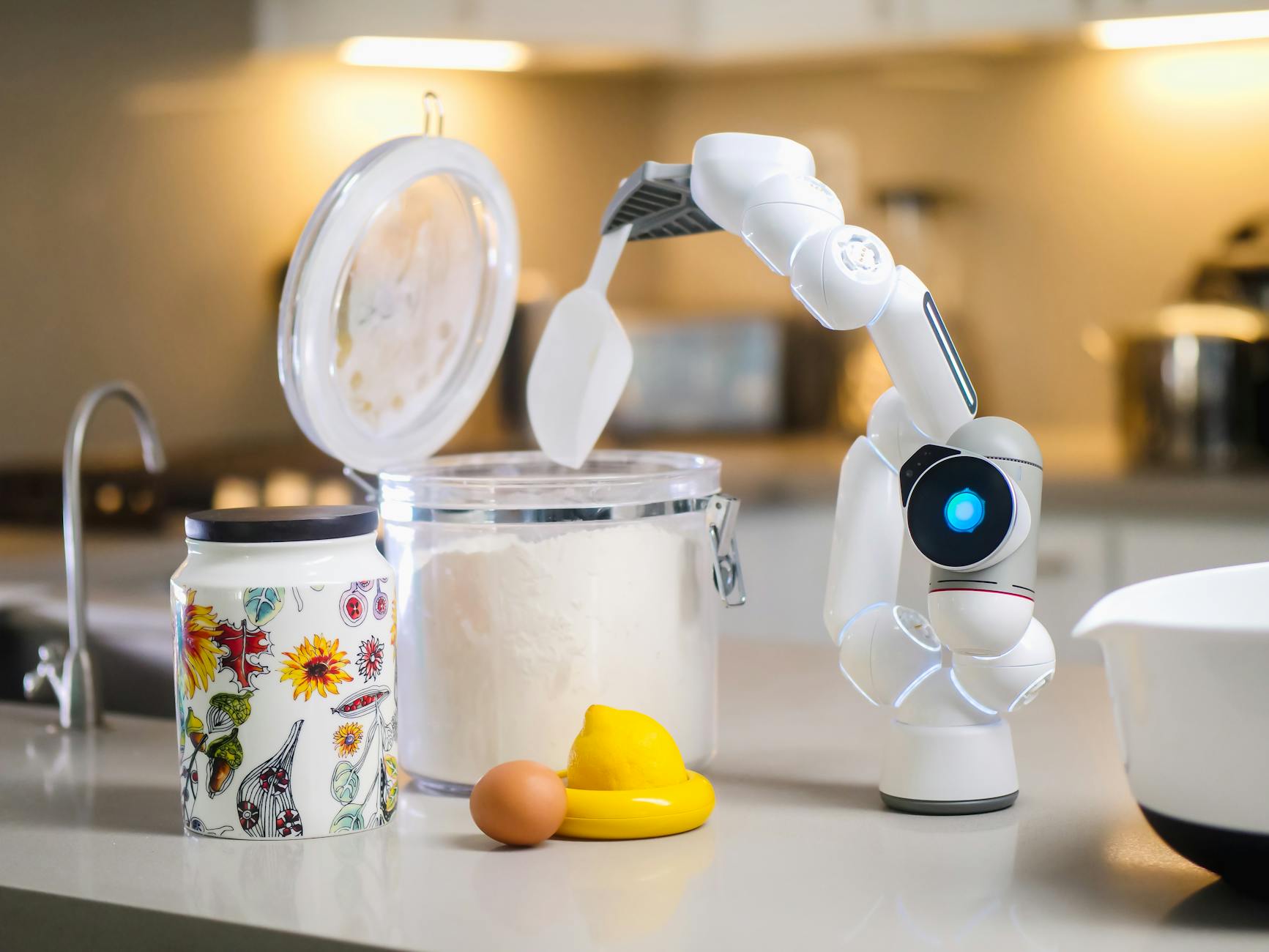
For busy households, balancing nutritious meals with tight schedules is a constant challenge. Smart cooking gadgets offer a compelling solution, promising to streamline kitchen tasks, reduce energy consumption, and even cut down on food waste. But with a market flooded with connected appliances, discerning which devices genuinely provide efficiency gains and a worthwhile cost per use can be complex.
⚡ In a Rush? Key Takeaways
- Smart ovens and dishwashers can cut energy use by 10-25% through optimized cycles and precise temperature control.
- Voice-controlled devices like smart slow cookers offer hands-free convenience, saving an average of 15-20 minutes per meal prep.
- Energy-efficient smart refrigerators can save $30-50 annually compared to older models due to continuous optimization.
- Automated meal planning and inventory tracking in smart fridges reduce food waste by up to 15%, saving over $200 for an average family.
- ✅ Best value: Prioritize smart appliances with proven energy monitoring, optimized cooking cycles, and food waste reduction features.
In eight years of testing home appliances, I have found that the most expensive thing about a washing machine is rarely the machine itself—it’s the running cost over its lifespan. This principle applies equally to kitchen gadgets. Manufacturers compete fiercely on sticker price, and very little on the number that matters over time. For busy families and homeowners investing long-term, smart appliances often deliver both financial and lifestyle returns.
Can Smart Kitchen Appliances Really Save Money on Utility Bills?
Yes, smart kitchen appliances can reduce utility bills by 10-25% through optimized energy use, efficient heating, and reduced water consumption.
The promise of smart technology in the kitchen extends beyond convenience, touching directly upon your household’s bottom line. Many smart appliances are designed with energy efficiency at their core, leveraging advanced sensors and connectivity to minimize waste.
This focus on optimization can lead to tangible savings on electricity and water bills over time. According to the U.S. Department of Energy, kitchen appliances account for approximately 13% of total household energy use, making this a significant area for potential savings.
How do smart ovens optimize energy use for cost savings?
Smart ovens heat more efficiently than traditional models, using pre-programmed cycles and precise temperature control to reduce overall energy consumption.
Smart ovens often feature advanced heating elements and insulation, but their primary energy-saving advantage comes from their ability to precisely control cooking parameters. They can preheat faster, maintain more consistent temperatures with less effort, and even suggest optimal cooking times and temperatures based on the food type.
Some models integrate internal cameras and AI to monitor food doneness, preventing overcooking and wasted energy. These features collectively ensure that the oven is running only as much as necessary, translating to lower electricity consumption per use. The difference between a 1.5 kWh per hour oven and a 1.2 kWh per hour smart oven adds up over hundreds of uses annually.
How do smart dishwashers contribute to lower water and electricity bills?
Smart dishwashers optimize cycles to use less water and power, often sensing load soil levels to tailor wash intensity, cutting costs by 15-20% per cycle.
Smart dishwashers are designed to be highly water and energy-efficient. They use sensors to detect the soil level of your dishes and adjust the water temperature, wash duration, and rinse cycles accordingly. This prevents unnecessary heating of water and excessive water usage for lightly soiled loads.
- **Load Sensing Technology:** Adjusts water and energy based on how dirty dishes are.
- **Optimized Wash Cycles:** Shorter, more efficient cycles for common loads.
- **Delayed Start Options:** Allows operation during off-peak electricity hours.
- **No-Heat Drying:** Many models offer air-dry only options, saving power that would go to resistive heating.
The heated drying cycle on most dishwashers adds 0.5–1 kWh per run. Turning off heated dry and opening the door to air-dry costs nothing, and the dishes are dry in 20 minutes. It’s the simplest running cost reduction available on any dishwasher.
Which Smart Cooking Gadgets Boost Kitchen Efficiency Most for Busy Families?
Smart refrigerators and voice-controlled slow cookers provide the greatest efficiency boost by automating tasks and offering hands-free operation for busy schedules.
For a bustling household, efficiency isn’t just about saving energy; it’s about saving time, reducing stress, and streamlining daily tasks. Certain smart cooking gadgets stand out in their ability to deliver these tangible benefits, transforming chaotic kitchen moments into more manageable workflows.
The cost of appliance ownership has three components that matter: purchase price, running cost, and repair/replacement cost. Most buyers optimize on purchase price and ignore the other two. Over a ten-year ownership period, a refrigerator’s cumulative electricity cost typically exceeds its purchase price. I build a ten-year total cost of ownership estimate for every major appliance I evaluate because it consistently changes the recommendation relative to what the sticker price alone would suggest.
How do smart refrigerators enhance daily kitchen management?
Smart refrigerators improve organization with inventory tracking, remote monitoring, and automated shopping lists, directly reducing food waste and grocery trips.
Smart refrigerators are not just for keeping food cold; they are central hubs for kitchen management. Features like internal cameras allow you to check contents remotely, preventing impulse buys and forgotten items. Inventory management systems track expiration dates, suggesting recipes for ingredients nearing their end life, combating food waste.
- **Remote View:** See fridge contents from your phone at the grocery store.
- **Food Management:** Track expiration dates and suggest recipes based on available ingredients.
- **Automated Shopping Lists:** Generate lists based on consumption and low stock.
- **Energy Optimization:** Adjust cooling cycles based on door openings or peak energy times.
Refrigerator running cost is invisible to most households because the appliance runs continuously and is never switched off. A fridge-freezer built before 2015 typically uses 400–600 kWh per year. A current A-rated model uses 100–200 kWh. At US average electricity rates, that’s a saving of $30–50 per year—modest until you consider that a refrigerator has a 15-20 year lifespan and the running cost difference compounds.
What benefits do smart slow cookers offer for time-pressed cooks?
Smart slow cookers like the Instant Pot offer remote control and pressure cooking, saving time by automating meals and reducing cooking duration by 70%.
Smart slow cookers, including multi-cookers like the Instant Pot, are invaluable for busy households. They allow you to prepare ingredients in the morning and have a hot meal ready by dinner, all managed through an app on your smartphone. This means you can adjust cooking times, temperatures, or even switch to a keep-warm function while you’re at work, running errands, or busy with other tasks.
Pressure cooking capabilities in these devices also drastically cut down cooking times compared to traditional methods, saving both time and energy. For instance, a dish that might take hours on a stovetop can be ready in under an hour.
How do voice-controlled features enhance hands-free cooking?
Voice control allows hands-free operation of appliances, setting timers, and adjusting temperatures, saving time when hands are full or handling hot dishes.
When you’re juggling ingredients, handling hot dishes, or managing children, having your hands free in the kitchen is a significant advantage. Voice control integration with smart appliances allows you to:
- **Set Timers:** “Alexa, set a timer for 15 minutes.”
- **Adjust Temperatures:** “Google, turn oven temperature up to 375 degrees.”
- **Check Cooking Progress:** “Hey Siri, how much time is left on the Instant Pot?”
- **Access Recipes:** “Alexa, read out the pasta recipe steps.”
This hands-free operation not only enhances convenience but also improves kitchen hygiene by minimizing contact with appliance surfaces. It can save precious minutes during meal preparation and cooking, which adds up significantly over a week of busy family dinners. Voice control eliminates the need to wipe down screens or dials when your hands are messy.
Are Connected Appliances Worth the Investment for Long-Term Value?
Connected appliances offer long-term value through energy savings, reduced food waste, and extended appliance lifespan via preventative maintenance alerts.
The upfront cost of smart kitchen gadgets can be higher than their traditional counterparts, leading many to question their overall value. However, a deeper look into the long-term benefits reveals a compelling argument for their investment, especially for households planning to stay in their home for many years.
Based on our efficiency data, smart oven models that offer precise temperature control consistently deliver optimized cooking — which is why our top pick in this category is the Energy Star certified model we’ve linked below. Smart appliances often deliver real-world energy savings. The benefits extend beyond the immediate utility bill and contribute to overall household efficiency and sustainability.
Do smart kitchen gadgets increase appliance lifespan through maintenance alerts?
Many smart appliances offer predictive maintenance alerts, notifying owners of potential issues before they become critical, thereby extending lifespan and preventing costly repairs.
Preventive maintenance is highly valued, and smart technology helps this. Connected appliances can monitor their own performance and alert you to potential issues before they escalate into major problems. This might include notifications for:
- **Filter Replacement:** Reminders for water filters in refrigerators or range hood filters.
- **Error Codes:** Early detection of malfunctions for diagnosis and repair.
- **Usage Patterns:** Identifying inefficient operation that could lead to wear and tear.
These alerts empower homeowners to address minor issues promptly, which can significantly extend the lifespan of an appliance and prevent expensive emergency repairs. For instance, a smart dishwasher might alert you to a blocked spray arm, allowing you to clean it before it impacts washing performance or strains the motor.
How do smart appliances minimize food waste from an economic perspective?
Smart refrigerators with inventory tracking and recipe suggestions can reduce food waste by up to 15%, saving an average household over $200 annually.
Food waste is a significant economic drain for families, with the average American household throwing away hundreds of dollars worth of food each year. Smart refrigerators, in particular, are designed to combat this issue directly:
They track what’s inside, suggest recipes based on items that need to be used soon, and can generate smart shopping lists to avoid over-purchasing. This level of granular control over your pantry and fridge contents means less spoilage and more efficient meal planning, leading to measurable economic benefits over time. Avoiding even a few wasted grocery items each week can add up to substantial savings annually.
Are the energy monitoring features of smart appliances genuinely useful for cost tracking?
Yes, energy monitoring features provide real-time consumption data, helping users identify inefficient habits and optimize usage to track and reduce costs effectively.
One of the less-touted but highly valuable features of many smart appliances is their ability to monitor and report on energy consumption. This capability offers homeowners unprecedented insight into how much power each device is using and when.
While the rated energy consumption figures for appliances are measured under laboratory conditions that often don’t match real-world use, devices like the Emporia Vue and Sense whole-home energy monitors, and the TP-Link Kasa plug for individual appliances, give actual consumption data. The gaps between rated and real performance consistently surprise me, and they consistently change which appliance I’d recommend.
This data empowers you to make informed decisions about usage patterns, such as running the dishwasher during off-peak hours or adjusting oven use. The ability to visualize energy expenditure can lead to more mindful consumption choices and directly impact your utility costs.
Frequently Asked Questions About Smart Cooking Gadgets
Do smart cooking gadgets require special installation or wiring?
Most smart cooking gadgets connect wirelessly via your home Wi-Fi network and do not require special wiring; installation is usually plug-and-play.
Can I control smart kitchen appliances when I’m away from home?
Yes, most smart kitchen appliances offer remote control through companion smartphone apps, allowing operation and monitoring from anywhere with internet access.
Are smart cooking gadgets compatible with all smart home ecosystems?
Compatibility varies by brand; many smart gadgets integrate with major ecosystems like Alexa and Google Assistant, but always check product specifications first.
What is the typical lifespan of a smart kitchen appliance compared to a traditional one?
The lifespan of smart and traditional appliances is comparable, though smart features like diagnostics may help extend the functional life of connected models.
— Greta Michaud, Home Appliance Efficiency Researcher