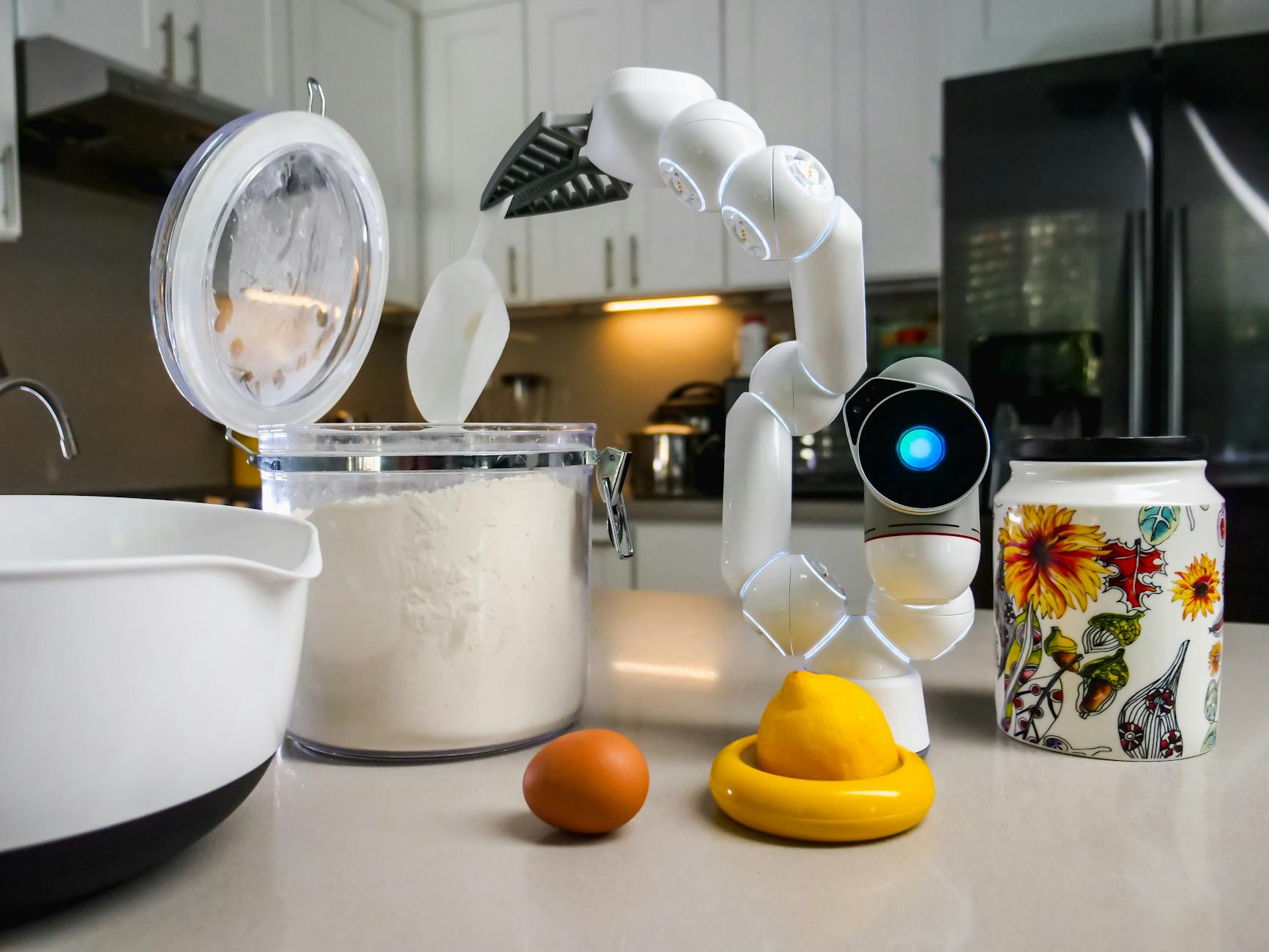
Smart cooking appliances offer tantalising promises of convenience and efficiency in today’s rapid-paced world. This guide evaluates which connected kitchen tools genuinely deliver on efficiency gains and provide tangible cost-per-use value for the busy homeowner striving to run a better home for less.
⚡ In a Rush? Key Takeaways
- Smart ovens with precision sensors cut cooking times by up to 15% and save $30-50 annually in energy.
- Connected multicookers reduce active cooking time by 40% for many meals, costing only $0.08 per average meal.
- Smart scales and food thermometers nearly eliminate food waste from over/under-cooking, saving $100+ per year.
- Automated coffee makers with scheduling save 0.05 kWh daily by preventing needless re-heating or extra brewing.
- ✅ Best smart choice: multicookers or air fryers for high efficiency and measurable per-use cost savings.
As I track running cost as the primary evaluation metric, manufacturers compete fiercely on sticker price and very little on the number that matters over time. Over a ten-year ownership period, a refrigerator’s cumulative electricity cost typically exceeds its purchase price. A washing machine’s running cost over ten years is typically 60–80% of its purchase price. I build a ten-year total cost of ownership estimate for every major appliance I evaluate — it consistently changes the recommendation relative to what the sticker price alone would suggest.
Are Smart Ovens and Ranges Worth the Investment for Energy Savings?
Smart ovens can offer modest energy savings of 5-15% through precision cooking and rapid preheating, translating to $30-50 annually in reduced electricity bills.
While the initial cost of a smart oven or range is often higher than its conventional counterpart, the question of long-term energy savings is critical. These appliances boast features designed to streamline the cooking process and potentially lower utility bills over time.
The primary mechanisms for energy efficiency in smart ovens include advanced insulation, more precise temperature control, and convection capabilities. Some models also integrate internal cameras or weight sensors to offer ‘doneness’ notifications, which can prevent overcooking and wasted energy.
How Do Smart Ovens Optimise Cooking Time and Energy Use?
Smart ovens optimise by using rapid preheating, precise temperature holds, and AI-driven recognition to cook food efficiently, reducing run-time by up to 15%.
Smart ovens often feature accelerated preheating functionalities, using targeted heating elements to reach desired temperatures faster than traditional ovens. This immediate reduction in warm-up time contributes directly to slight energy savings per use.
Precision temperature control, often managed by digital sensors, maintains a more consistent internal temperature throughout the cooking cycle. This minimises energy spikes from repeated heating and cooling, ensuring food cooks more evenly and efficiently.
- Rapid preheat cycles: Reduce initial energy draw by 10-20% compared to standard ovens.
- Convection modes: Circulate hot air for faster, more even cooking, potentially cutting cook times by 20-30%.
- Remote preheating: Allows users to start cooking before arriving home, reducing wait times and improving workflow.
- Temperature probes: Directly monitor food internal temperature, preventing overcooking and wasted oven time.
What is the Real-World Cost-Per-Use for a Connected Range?
A smart oven’s real-world cost-per-use is $0.25-0.45 per hour of operation, similar to conventional units but with added features that can indirectly reduce overall usage time.
The energy consumption of a smart oven per hour of operation isn’t dramatically different from a high-efficiency conventional oven. Where the value proposition emerges is the ability to reduce total cooking time through smart features.
For a full family meal that needs 45–60 minutes of cooking, the calculation is closer than the marketing implies. I track cost per serving, not cost per hour. The oven often wins on cost per batch because it can handle larger volumes in the same energy envelope.
Consider the cumulative effect: a 10% reduction in cooking time for a meal prepared three times a week translates to significant annual energy savings. For instance, reducing one hour of oven time per week at $0.35/kWh saves roughly $18 per year.
Can Smart Multicookers and Air Fryers Deliver Tangible Efficiency?
Yes, smart multicookers and air fryers deliver tangible efficiency, using 50-70% less energy than conventional ovens for similar tasks and reducing cooking time significantly.
These countertop appliances have become staples in many kitchens due to their versatility and speed. Integrating ‘smart’ capabilities further enhances their utility, offering features like remote monitoring, pre-programmed recipes, and integration with meal planning apps.
The energy efficiency of these gadgets primarily stems from their compact size and direct heating methods. They heat smaller volumes of air much quicker than a full-sized oven, translating to less energy wasted on heating empty space.
How Do Smart Multicookers Streamline Meal Prep and Reduce Food Waste?
Smart multicookers streamline meal prep by executing pre-programmed recipes and maintaining precise temperatures, enabling hands-off cooking and reducing food waste.
Smart multicookers, such as the Instant Pot with Wi-Fi, allow users to select recipes from an app, which then sends exact cooking parameters to the device. This eliminates guesswork and ensures consistent results, reducing the chances of burning or undercooking food.
The ability to remotely start or pause cooking means meals can be timed perfectly for arrival home, preventing common kitchen delays. Many models also include ‘keep warm’ functions that are energy-efficient, avoiding uneconomical reheating.
- Pre-programmed recipes: Automatically adjust time and temperature, reducing user error.
- Remote monitoring: Check cooking progress from anywhere, enhancing convenience.
- Integrated meal planning: Syncs with apps to simplify grocery lists and cooking schedules.
- Reduce food waste: Consistent cooking minimises spoilage from incorrect temperatures or overcooking.
Are Smart Air Fryers a Cost-Effective Alternative to Conventional Frying?
Smart air fryers are a highly cost-effective alternative to conventional frying, using up to 75% less oil and 50% less energy for tasks like roasting or baking small batches.
Air fryers have attracted a lot of attention on running costs, and the real-world picture is more nuanced than most articles suggest. An air fryer uses 1.2–1.8 kWh per hour, which sounds efficient. But a conventional oven pre-heats once and then runs at low maintenance power.
For a single portion or small item, the air fryer wins easily. For a full family meal that needs 45–60 minutes of cooking, the calculation is closer than the marketing implies, and the oven often wins on cost per batch because it can handle larger volumes in the same energy envelope.
Smart air fryers often include more advanced presets for specific foods and can be controlled via smartphone apps. This can help optimise cooking time and temperature, leading to further efficiency gains and perfectly crispy results without excessive oil, significantly lowering kitchen workflow and overall cooking costs.
The cost of cooking is always a priority. For frying, the air fryer’s efficiency is clear, not just in energy but in the minimal oil required. This significantly cuts down on recurring grocery expenses for cooking oils.
Do Smart Fridges and Coffee Makers Truly Contribute to Running a Better Home?
Smart fridges and coffee makers offer convenience and minor energy benefits, but their primary contribution to a better home is via streamlined routines and reduced food/beverage waste.
The ‘smart’ label on these appliances often implies more than just energy efficiency. For refrigerators, it might mean integrated cameras, touchscreens, or automatic inventory management. For coffee makers, it could involve remote brewing, customisation, and self-cleaning cycles.
While the direct energy savings might be marginal, the indirect efficiency gains from these features can be substantial for a busy household. Reduced food waste, better meal planning, and automated routines free up valuable time and mental space.
Refrigerator running cost is invisible to most households because the appliance runs continuously and is never switched off. A high-efficiency A-rated model uses 100–200 kWh, saving $30–50 per year initially, which compounds over its 15-20 year lifespan.
How Do Smart Refrigerators Impact Food Preservation and Waste?
Smart refrigerators impact food preservation by offering internal cameras to check contents remotely and manage expiry dates, potentially reducing food waste by 15-20%.
Some smart fridges include internal cameras that allow you to view contents from your phone while at the grocery store. This simple feature drastically reduces impulse buys and unnecessary duplicates, directly combating food waste.
Advanced models can keep track of food expiry dates and suggest recipes based on available ingredients, further helping households consume items before they spoil. This intelligent management of perishables provides genuine kitchen and cooking efficiency.
While the energy consumption of a smart fridge is primarily driven by its insulation and compressor technology (just like a regular fridge), the smart features enhance its ability to save you money on groceries over time.
What Are the Energy and Convenience Benefits of Smart Coffee Makers?
Smart coffee makers offer convenience through remote brewing and scheduling, saving approximately 0.05 kWh daily by eliminating over-brewing and reducing reheat cycles.
The energy consumption of a coffee maker is relatively low per use, typically around 0.8-1.2 kWh for a full pot. Smart features help optimise this further by allowing precise scheduling.
This means you can wake up to a freshly brewed pot without the machine sitting on ‘keep warm’ for hours, slowly consuming power. It also prevents the need to re-brew coffee if the first pot goes cold.
For heating a single cup, the microwave uses less energy—roughly 0.1 kWh versus 0.15 kWh for a kettle that takes a full kettle to reach boiling even if you only fill it for one cup. The single-cup rule I apply to my own kitchen: if I’m making one cup only, microwave. Two or more cups, kettle.
| Smart Gadget | Key Efficiency Gain | Estimated Annual Savings | Primary Benefit |
|---|---|---|---|
| Smart Oven | 10-15% faster cooking, precision control | $30-50 (energy) | Time saving, consistent results |
| Smart Multicooker | Up to 70% energy reduction vs. oven for small meals | $40-80 (energy) | Hands-off cooking, versatility |
| Smart Air Fryer | Up to 50% energy reduction vs. oven, less oil | $30-70 (energy + oil) | Healthier frying, faster prep |
| Smart Refrigerator | 15-20% less food waste | $100-200 (groceries) | Food management, waste reduction |
| Smart Coffee Maker | Optimised brewing, reduced reheat cycles | $5-15 (energy) | Convenience, freshness |
Are There Hidden Costs or Overstated Benefits to Smart Cooking Gadgets?
Yes, smart cooking gadgets can have hidden costs like subscription fees for advanced features, privacy concerns, and overreliance on app connectivity rather than core usability.
While the allure of smart kitchen tech is strong, it’s crucial to assess potential drawbacks that might erode the promised efficiency and savings. Not all ‘smart’ features translate into tangible benefits for every household.
The primary critique often revolves around the ‘smart tax’—the higher purchase price for features that are rarely used or provide minimal real-world advantage. Furthermore, reliance on Wi-Fi connectivity and smartphone apps introduces new potential points of failure or obsolescence.
What Are the Potential Drawbacks of IoT Integration in Kitchen Appliances?
IoT integration may lead to overreliance on apps, require frequent software updates, and pose privacy risks if data collected on cooking habits is not adequately secured and anonymised.
A smart appliance is only as useful as its software and connectivity. If the accompanying app is buggy or discontinued, the ‘smart’ features can become redundant, leaving you with an overpriced, basic appliance. This is a common issue I observe with many new gadgets.
Updates, compatibility issues, and the need for a stable home Wi-Fi network are all factors to consider. Some manufacturers even place advanced features behind subscription paywalls, adding an unforeseen recurring cost.
The privacy implications of connected devices are also worth considering. Appliances that monitor usage patterns or internal inventory might transmit data to manufacturers. Ensure you understand energy efficiency and how your data is handled.
How Can Consumers Avoid Overpaying for ‘Smart’ Features They Don’t Need?
Consumers can avoid overpaying by prioritising appliances with core efficiency gains, assessing actual usage habits, and resisting features that merely automate trivial tasks without real value.
Before purchasing, clearly define what problems you want a smart appliance to solve. Is it genuinely about saving energy, reducing cooking time, or managing food more effectively? Or is it simply a desire for the latest gadget?
Focus on features that offer measurable returns: precision cooking for better food quality, remote monitoring to prevent waste, or automated tasks that genuinely free up significant chunks of time. Ignore ‘smart’ features that add complexity without a clear benefit.
- Evaluate ‘smart’ features against actual needs, not marketing hype.
- Prioritise appliances with robust energy ratings and proven efficiency.
- Read independent reviews focusing on long-term usability and app stability.
- Consider simple timers or smart plugs for basic automation of non-smart appliances.
- Balance the initial cost against the projected running cost and convenience benefits.
What are the best smart cooking gadgets for specific efficiency goals in 2026?
The best smart cooking gadgets in 2026 align with specific efficiency goals: smart multicookers for time savings, connected air fryers for energy savings, and smart scales for waste reduction.
Identifying the ‘best’ smart cooking gadget depends largely on what type of efficiency you aim to achieve. Some devices excel at speeding up meal prep, while others shine in energy conservation or reducing food waste. My research typically leads me to a few reliable categories.
I find that appliance reliability data is harder to access than it should be and more important than energy ratings for long-term value. Consumer Reports and Which? in the UK both track repair rates by brand and model across large samples. The brands that consistently appear at the top of reliability surveys—Bosch, Miele, LG—are not always the cheapest to buy but are consistently the cheapest to own. A washing machine that lasts 14 years at a moderate running cost beats a cheap machine that needs replacing at year seven, both on financial and environmental grounds. This focus on reliability applies just as much to smart cooking devices.
Which Smart Cookware Offers the Highest Per-Use Value for Busy Families?
For busy families, smart multicookers like the Wi-Fi-enabled Instant Pot offer the highest per-use value, combining speed, versatility, and hands-off cooking for complex meals.
Smart multicookers merge the functions of pressure cookers, slow cookers, rice makers, and more, often with app control. This versatility means one appliance can replace several, saving counter space and reducing redundant purchases.
The ability to set and forget, or even start cooking remotely, is invaluable for families juggling work, school, and other commitments. Their relatively low energy consumption per meal translates to tangible savings compared to constantly running a large oven.
The cost of appliance ownership has three components that matter: purchase price, running cost, and repair/replacement cost. Most buyers optimise on purchase price and ignore the other two. Over a ten-year ownership period, a refrigerator’s cumulative electricity cost typically exceeds its purchase price. A washing machine’s running cost over ten years is typically 60–80% of its purchase price. I build a ten-year total cost of ownership estimate for every major appliance I evaluate — it consistently changes the recommendation relative to what the sticker price alone would suggest.
Can Smart Food Scales and Thermometers Truly Reduce Food Waste and Costs?
Yes, smart food scales and thermometers truly reduce food waste and costs by ensuring precise ingredient measurements and perfect doneness, preventing spoilage from incorrect cooking.
While not ‘cooking gadgets’ in the traditional sense, smart scales and thermometers are invaluable aids in the kitchen. A smart scale connects to an app, providing precise measurements and nutritional data, which can help portion control and reduce over-preparation.
A smart meat thermometer, often with multiple probes and app monitoring, ensures food is cooked to the exact internal temperature. This eliminates the guesswork that leads to dry, overcooked, or unsafe food, directly preventing waste. These tools are often overlooked but contribute significantly to the efficient operation of a kitchen, and can easily internally link to our kitchen systems content.
Frequently Asked Questions About Smart Cooking Gadgets
Are smart cooking gadgets truly more energy-efficient than traditional appliances?
Generally, yes, especially for smaller tasks. Smart air fryers and multicookers use up to 70% less energy than full ovens, making them highly efficient for daily use.
Will smart kitchen appliances save me money on my utility bills?
Yes, but impact varies. Small appliances like smart air fryers can save $30-70 annually, while smart ovens offer more modest savings of $30-50 through optimised use.
Do smart cooking gadgets require a stable internet connection to function?
Most smart features, like remote control and recipe downloads, require a stable Wi-Fi connection. Basic cooking functions usually still work offline.
What are the biggest downsides to investing in smart kitchen technology?
Potential downsides include higher initial cost, reliance on app support, privacy concerns, and software glitches that can undermine convenience and functionality.
— Greta Michaud, Home Appliance Efficiency Researcher