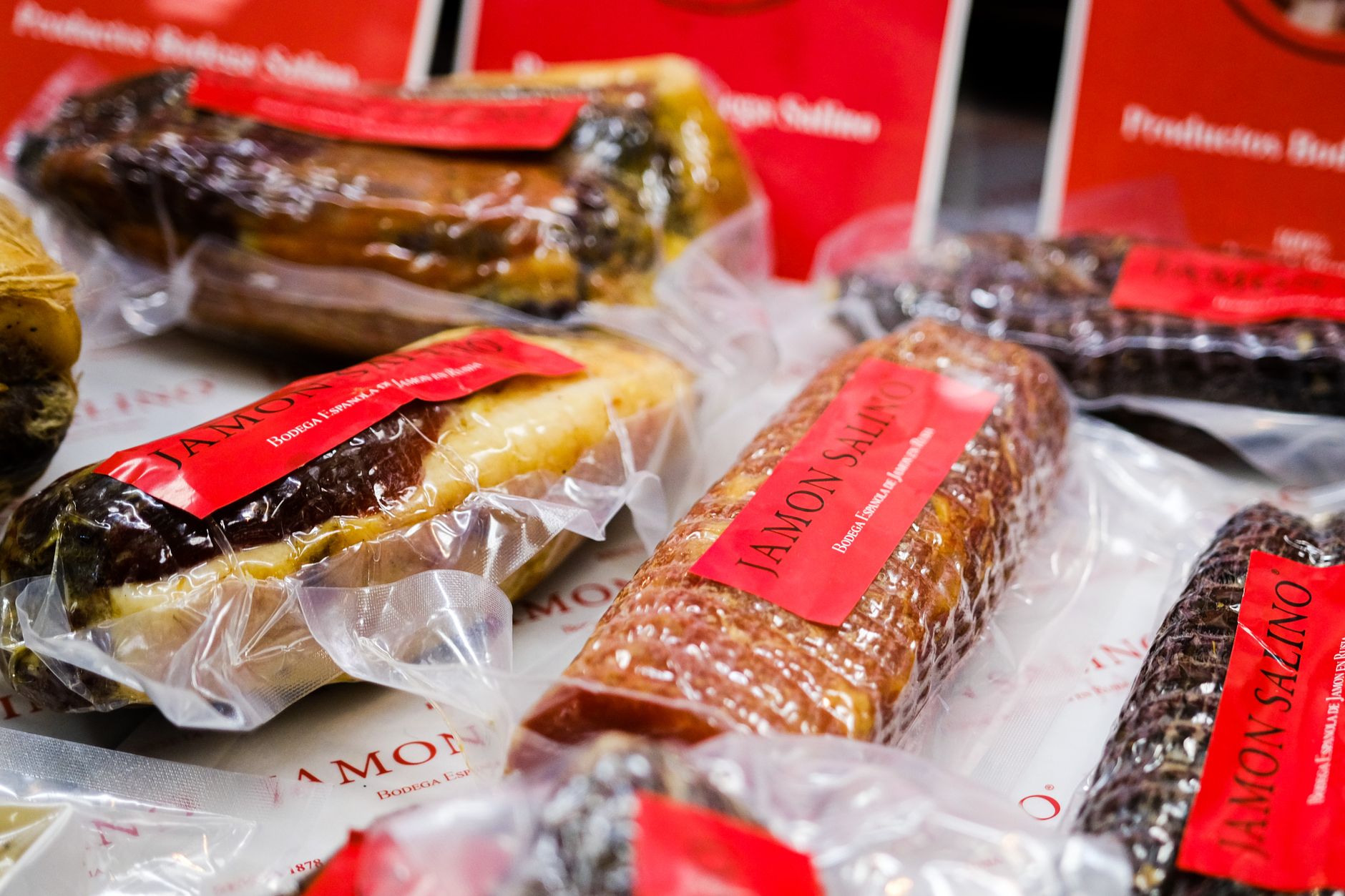
The best vacuum sealers for 2026 are those that balance suction reliability with an intuitive, low-maintenance design that doesn’t feel like a chore to use. A quality machine can extend the storage life of frozen meats by up to three years while preventing freezer burn entirely. Choosing the right one depends on your weekly volume and the physical space you have available in your kitchen.
⚡ In a Rush? Key Takeaways
- Vacuum sealing can extend the freezer life of proteins from 6 months to 3 years.
- High-end models save ~$50 per year on bags by sealing custom-cut lengths more precisely.
- Most home sealers operate at a pressure of roughly -0.8 bar for optimal air removal.
- ✅ Best value: Choose a model with an integrated cutter to reduce bag waste by 20%.
Which Vacuum Sealer Features Actually Matter for Daily Use?
The most critical vacuum sealer features are an integrated bag cutter, a reliable heat seal strip, and a wet/dry mode for moist foods.
Why is an integrated bag cutter a necessary feature?
An integrated bag cutter ensures a straight line for a perfect seal and prevents wasting material through uneven or jagged hand-cutting.
I have spent enough time struggling with kitchen scissors to know that a straight seal is the difference between a secure package and a leaking one. A jagged edge often causes air pockets during the vacuum process, which leads to immediate freezer burn.
Built-in cutters allow you to turn a standard bag roll into custom-sized pouches. This precision reduces the amount of plastic thrown away, which makes a significant difference when you are sealing hundreds of bags per year.
- Prevents uneven seal lines that fail over time.
- Reduces plastic consumption by custom-sizing every pouch.
- Speeds up the workflow for batch-cooking days.
How do wet and dry modes change your food preservation?
Wet and dry modes adjust the suction timing and seal heat to prevent liquid from being pulled into the pump mechanism during sealing.
If you have ever tried to seal a piece of marinated chicken, you have likely seen the machine struggle with juices. Dry mode seals at a higher speed, while wet mode slows the suction to allow for a more gradual, controlled seal.
Managing liquid intrusion is the single most important habit for maintaining the lifespan of your machine. Using wet mode is the only way to avoid damaging the internal vacuum pump with moisture.
Is a manual pulse function worth the investment?
A manual pulse function allows you to control the suction strength manually for fragile foods like berries, crackers, or baked goods.
Automated cycles are excellent for proteins, but they often crush delicate items into powder. A manual pulse button gives you total control over the vacuum degree, stopping exactly before the item begins to compress.
This feature is rarely used for daily bulk sealing, but it makes the machine infinitely more versatile. If you cook often, this control is worth the price premium of higher-end units.
How Do Vacuum Sealers Compare for Long-Term Value?
The long-term value of a vacuum sealer depends on the price of replacement bag rolls and the machine’s ability to resist common repairs.
Which models provide the best return on investment?
Models that accept universal bag rolls typically provide the best value by allowing you to purchase generic bags in large quantities.
I always suggest avoiding models that require proprietary, brand-specific bags. You will quickly find that the cost of specialized bags exceeds the initial savings of a cheaper machine within six months of regular use.
I frequently talk about kitchen workflow efficiencies, and this is a primary example of where a small upfront investment prevents recurring costs. Look for machines that specify “universal compatibility” with third-party rolls.
What are the typical maintenance costs for home sealers?
Routine maintenance costs are low, typically limited to replacing the heat-seal gasket and the Teflon tape every eighteen months.
Most sealers will require a new gasket eventually. I have found that cleaning these gaskets with a damp cloth after every heavy use session prevents the rubber from drying out or losing its shape.
If you manage your kitchen workflow effectively, you can minimize the strain on the pump. Simply wait 30 seconds between bags to let the pump cool down, which drastically extends the life of the internal motor.
How can you maximize the life of your machine?
Maximizing sealer life involves leaving the lid unlatched during storage to prevent the gasket from compressing permanently.
Storing the lid in the locked position is the most common reason for vacuum failure. Once the gasket takes a permanent shape, it cannot form an airtight seal.
Always store your machine with a small gap between the seal strip and the gasket. This simple step keeps the rubber supple and ensures the machine works perfectly for years.
Are There Frequently Asked Questions About Vacuum Sealers?
-
Can I reuse vacuum sealer bags?
Bags can be reused only if they were used for dry, non-protein foods and if they retain enough length to be resealed after cutting.
-
Does vacuum sealing prevent freezer burn entirely?
Vacuum sealing eliminates freezer burn by removing the air that helps moisture evaporation and ice crystal formation on food surfaces.
-
Can I seal liquids like soup?
Liquids cannot be sealed directly, but you can freeze soups in containers, remove the block, and then vacuum seal the frozen item.
-
Is a chamber vacuum sealer better than a suction model?
Chamber sealers are professional grade, offering faster and stronger seals, but they are too bulky and expensive for most home kitchens.
Vacuum sealer questions focus on freezer safety, bag reuse, and the effectiveness of sealing non-food items for home storage.
When you consider the performance of modern home appliances, the standard suction-style sealer is more than sufficient for 95% of household needs. Investing in a professional chamber unit is only necessary if you are running a small catering business from your home.