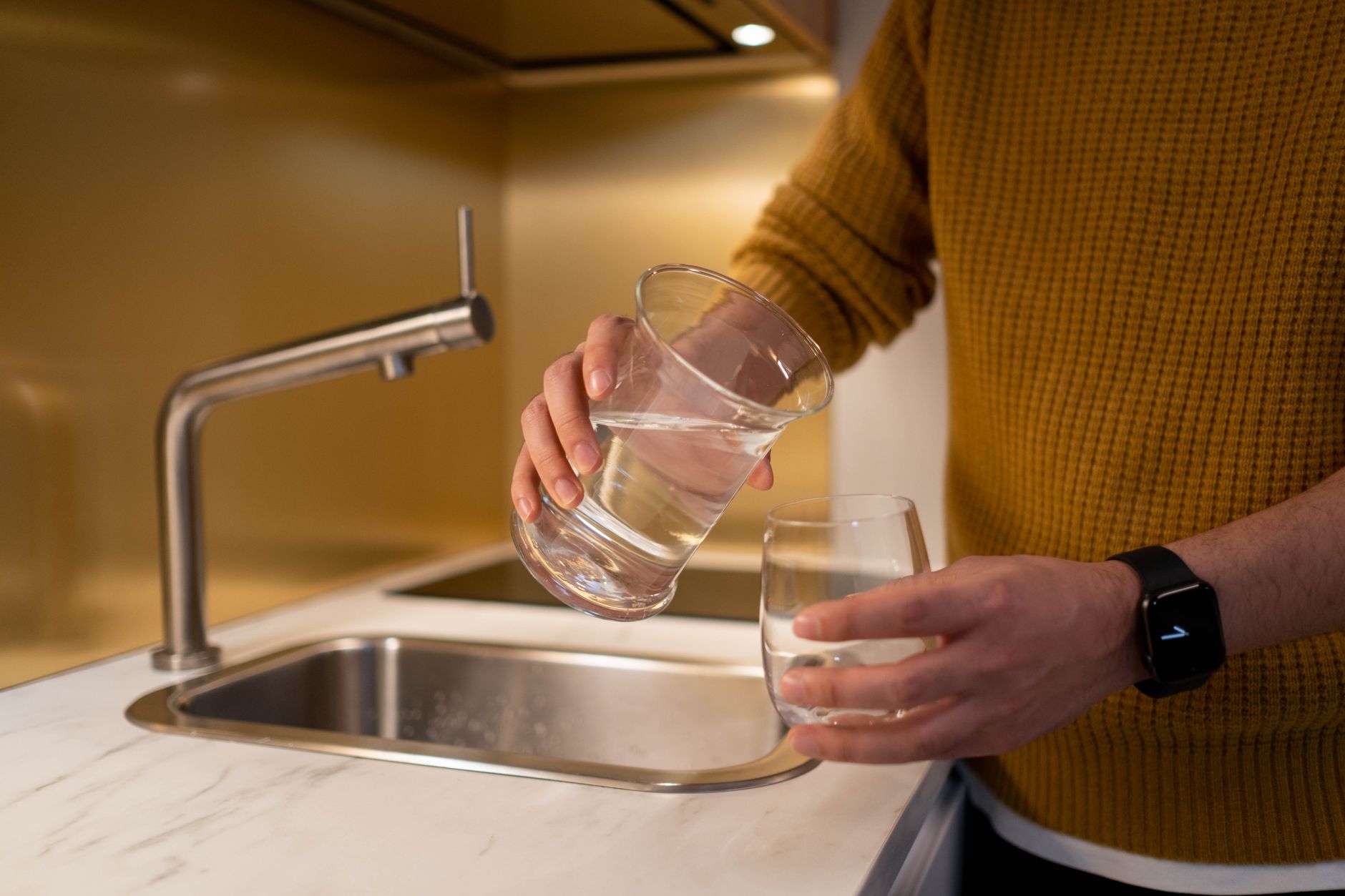
The best water filter pitchers in 2026 for most households are the ZeroWater 10-Cup for maximum contaminant reduction and the Brita Elite for a balance of speed and convenience. Choosing the right pitcher depends on balancing your specific water quality concerns with your household’s daily consumption volume.
⚡ In a Rush? Key Takeaways
- ZeroWater pitchers remove up to 99% of total dissolved solids from tap water.
- Brita Elite filters are rated to last 6 months or 120 gallons per replacement.
- Standard pitchers cost roughly $0.05 to $0.12 per gallon of filtered water.
- Most pitchers fit comfortably in a fridge shelf, occupying ~6 inches of space.
- ✅ Top pick for purification: ZeroWater 10-Cup holds the strongest filtration rating.
How Do You Choose the Best Water Filter Pitcher for Your Needs?
Select a pitcher by matching your local water quality, your desired filtration capacity, and the long-term cost of replacement filters.
Which contaminants do you need to remove from your tap water?
Identify if you are filtering for simple chlorine taste and odor or if you require advanced removal of lead, mercury, and arsenic.
Many basic filters focus on aesthetic improvements, specifically removing chlorine that makes city water smell or taste like a pool. If you live in an area with aging infrastructure, you might require an NSF/ANSI 53 certified filter to address heavy metals.
- Standard carbon filters: Best for taste, odor, and sediment.
- Advanced resin filters: Essential for lead, copper, and mercury.
- Reverse osmosis style: Best for total dissolved solids (TDS) reduction.
How much filtered water does your household consume daily?
Calculate your daily usage to determine the required reservoir capacity and the necessary frequency of your filter replacements.
A small pitcher might suffice for one person, but a family of four will quickly grow frustrated with constant refilling. Larger dispensers are often more efficient for high-volume homes, though they consume significant shelf space.
| Capacity | Best For |
|---|---|
| 5-6 Cups | Singles or small office desks |
| 10-12 Cups | Average households of 2-3 |
| 20+ Cups | Large families or high daily drinkers |
Are These Water Pitchers Actually Cost-Effective Long-Term?
Calculate the true cost by factoring in the price of replacement cartridges, which are the primary recurring expense for ownership.
What is the total cost of ownership for a pitcher filter?
Estimate your yearly expense by dividing the filter cost by its gallon rating and multiplying by your total annual water usage.
The upfront purchase price of the pitcher is often a small fraction of the total cost over five years. It is easy to find efficient kitchen tools that save money, but the recurring cost of filters is where your budget is truly impacted.
- Generic or budget filters: $5–$8 per cartridge.
- High-performance certified filters: $15–$25 per cartridge.
- Annual cost for families: Expect to spend $60–$150 per year.
Does filter longevity affect your overall monthly bills?
A filter rated for more gallons or longer duration typically offers a lower cost per gallon even if the unit price is higher.
Always check the manufacturer’s gallon rating, not just the time-based replacement schedule. If you are looking for more ways to manage your home expenses, exploring home finance tips can help you allocate funds for these essential utilities.
Frequently Asked Questions About Water Pitchers
-
How often should you actually change your water filter?
Most filters require replacement every 2 to 6 months depending on local water hardness and your total daily gallon consumption.
-
Do water filter pitchers remove fluoride from the water?
Most standard carbon pitchers do not remove fluoride, though specific specialized filters are designed to reduce fluoride levels.
-
Is it safe to leave a water pitcher at room temperature?
Always keep your pitcher in the refrigerator to prevent bacterial growth and maintain the freshest possible taste for your water.
-
Can you improve yourhome maintenanceby using filtered water?
Filtered water reduces scale buildup in small appliances like kettles and coffee makers, extending their functional lifespan significantly.
-
How Does Certification Impact the Effectiveness of Water Filter Pitchers?
Certifications like NSF/ANSI 42 and NSF/ANSI 53 ensure that filters meet standards for reducing specific contaminants, such as chlorine and lead.
Find quick answers regarding filter lifespan, maintenance, and the overall effectiveness of common water purification systems.
Looking for certifications can give consumers peace of mind, knowing that their filter has been tested against rigorous standards. The key certifications to look for include NSF/ANSI 42 for aesthetic improvements, NSF/ANSI 53 for health and safety concerns like lead and mercury, and NSF/ANSI 401 for emerging contaminants.
- NSF/ANSI 42: Taste, odor, and chlorine removal.
- NSF/ANSI 53: Removal of lead, mercury, and other heavy metals.
- NSF/ANSI 401: Emerging contaminants such as pharmaceuticals and pesticides.
Choosing the right pitcher is an exercise in balancing convenience against the purity level you demand. While no pitcher will replace the performance of a whole-home system, they remain the most accessible way to ensure high-quality drinking water daily.