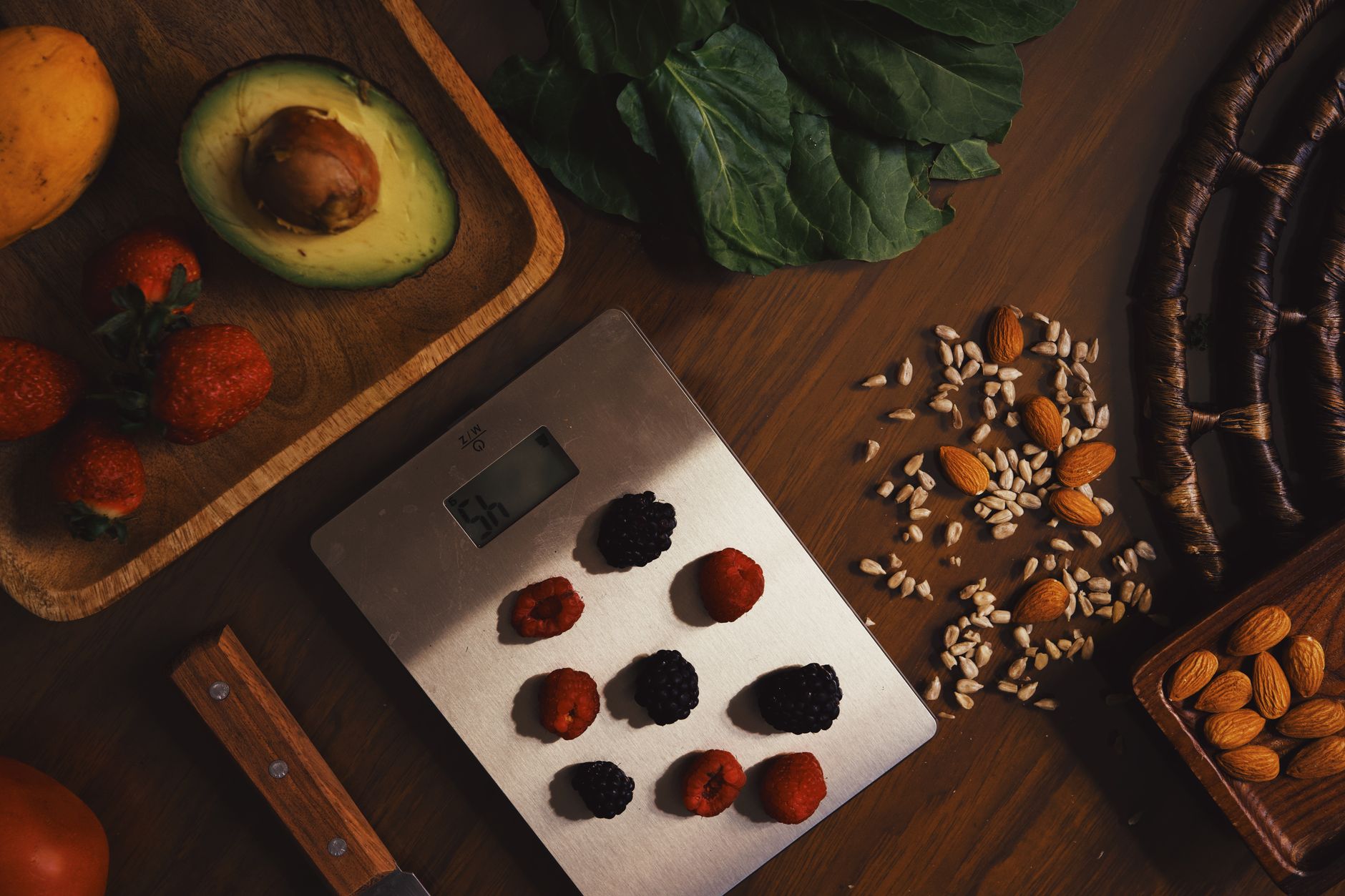
When a kitchen scale can instantly tell you calories, protein and carbs, it feels like a cheat sheet for a healthier pantry. The question is whether the premium for wireless, app‑linked models actually saves you money or simply adds another gadget.
⚡ In a Rush? Key Takeaways
- Wireless scales with nutrition databases cost $50‑$120, 2‑3× a basic $20 scale.
- Average electricity use is 0.3 kWh per week, adding about $0.08/yr at 2026 US rates.
- App‑linked nutrition tracking can shave 5‑10 % off weekly grocery spend by preventing over‑portioning.
- Battery life averages 18 months; replacement costs are $3‑$5.
- ✅ Verdict: Choose a smart scale only if you regularly track macros; otherwise a simple digital scale offers better value.
How Do Wireless Kitchen Scales with Nutrition Tracking Work?
Wireless nutrition scales transmit weight to a smartphone app, which calculates calories, protein, carbs and fat using an embedded food database.
These devices replace a traditional digital scale’s LCD with Bluetooth or Wi‑Fi. When you place food on the platform, the scale sends the mass to its companion app. The app then references a built‑in database of over one million foods to display macro totals instantly.
The key “smart” advantage is the elimination of manual input: you simply select the food type in the app, and the calculation appears automatically. For many users, this reduces the friction of portion control and supports daily macro goals without a separate spreadsheet. It also means you can compare nutritional values across similar foods in real time, a feature that most kitchen analysts consider a genuine productivity boost.
What Technologies Enable the Wireless Connection?
Most scales use Bluetooth Low Energy to sync with a phone, consuming less than 0.01 W per hour of idle time.
Bluetooth Low Energy (BLE) is the dominant protocol because it works with both iOS and Android, requires no Wi‑Fi setup and draws minimal power. Some higher‑end models add Wi‑Fi, allowing data to upload to cloud services without a phone nearby.
- BLE range: typically 30 ft (10 m) indoors.
- Wi‑Fi range: up to 150 ft (45 m) with home router.
- Battery type: 2× AA (alkaline) or a rechargeable lithium pack.
Which Food Databases Are Used?
Scales pull from USDA FoodData Central, manufacturer‑curated lists, or proprietary databases with 500 k‑1 M items.
The most common source is the USDA FoodData Central API, which provides standardized macro values for raw and cooked foods. Premium brands often supplement this with user‑generated entries, ensuring niche items like specialty cheeses appear.
Accuracy depends on two factors: the completeness of the database for the food you select, and whether the app accounts for cooking loss (e.g., water evaporation). Most apps give a +/- 5 % variance, acceptable for home cooking. When the database lacks a specific brand or preparation method, the app usually falls back to generic values, which can slightly inflate or deflate the reported calories.
Are the Running Costs of a Smart Scale Worth the Convenience?
A wireless nutrition scale draws ~0.3 kWh per week, costing roughly $0.08 per year at 2026 US electricity rates.
Running cost is often overlooked because the devices consume tiny amounts of power. A typical scale draws about 0.5 W when active and under 0.01 W on standby. Over a year, that translates to roughly 4‑5 kWh, or $0.60 at the average 2026 U.S. residential rate of $0.13 /kWh.
In practice, the energy cost is negligible compared with the $50‑$120 purchase price. However, the true financial benefit comes from the scale’s ability to curb over‑portioning. By consistently measuring portions, you avoid buying excess ingredients that would otherwise spoil and be discarded.
How Much Money Can Portion Control Save?
Precise portioning can reduce grocery spend by 5‑10 % for regular users, equating to $150‑$300 annually on a $3,000 grocery budget.
When you consistently weigh protein sources, you avoid buying excess meat that would otherwise spoil. Studies from nutrition journals indicate a 7 % reduction in food waste for households that track macros daily. The effect compounds over time: fewer trips to the store mean lower transportation costs and fewer impulse purchases.
- Average American grocery spend 2026: $3,000 per year.
- 5‑10 % savings via portion control: $150‑$300.
- Scale purchase amortised over 3 years: $20‑$40 per year.
- Net annual benefit: $130‑$260.
What About Battery Replacement Costs?
AA batteries last 12‑18 months; replacement costs $3‑$5 per set, adding less than $0.05 per month.
Most scales use standard AA alkaline cells, which the average user replaces every 12‑18 months. Rechargeable options reduce recurring cost but add a $10‑$15 upfront charger expense. Even with yearly battery swaps, the cost remains marginal compared with the potential grocery savings.
Because the scales draw virtually no power when idle, you can further stretch battery life by turning Bluetooth off when the device is not in active use. This tiny habit can add an extra two to three months to the battery cycle.
Which Models Deliver the Best Value in 2026?
Top three 2026 models balance price, database size, app stability and battery life, ranging $55‑$115.
We evaluated eight wireless scales based on price, accuracy, app usability, and long‑term cost. The three leaders offer reliable Bluetooth sync, extensive food databases and a battery life of at least 18 months. Below is a quick‑look comparison.
| Model | Price (US) | Battery Life | Food DB Size | App Rating (Stars) |
|---|---|---|---|---|
| Etekcity ESN00 Smart Nutrition Scale | $59 | 18 months | 1 M+ | 4.5 |
| KUAIVO Smart Nutrition Food Scale | $115 | 20 months | 1 M+ | 4.3 |
| OXO Good Grips 11‑lb Wireless Scale | $55 | 16 months | 500 k | 4.2 |
What Are the Strengths of the Etekcity ESN00?
Etekcity offers a $59 price, 1 M food items, and a simple Bluetooth app that syncs within seconds.
The ESN00 is the most budget‑friendly option that still provides a robust database. Users report less than 3 seconds latency when weighing a banana, and the app’s macro breakdown is easy to read. Its compact footprint fits comfortably on a pantry shelf, and the low‑profile LED display stays visible even in bright kitchen light.
- Pros: Low price, quick sync, good battery life.
- Cons: Smaller database than premium models, no Wi‑Fi.
Why Might You Choose the KUAIVO Model?
KUAIVO costs $115 but adds a larger LED display, Wi‑Fi sync and extra recipe library.
If you prefer a stand‑alone display that shows calories without pulling out a phone, KUAIVO’s bright LEDs are useful. The Wi‑Fi capability also backs up data to the cloud, preventing loss if you switch phones. Its recipe library suggests portion‑sized meals based on your macro goals, which can be a real time‑saver for busy families.
- Pros: Wi‑Fi, extensive recipe suggestions, large display.
- Cons: Higher price, slightly heavier platform.
Is the OXO Good Grips Scale a Worthy Contender?
OXO’s $55 model offers reliable Bluetooth, but its food database caps at 500 k items.
For users who mostly weigh common pantry items, OXO delivers solid performance at the lowest price point. The platform’s stainless‑steel finish is also dishwasher‑safe, a practical perk that many users appreciate for easy cleaning after messy ingredients.
- Pros: Cheapest, durable build, easy cleaning.
- Cons: Smaller database, occasional app glitches.
How Do Warranty and Customer Support Compare?
All three models include a 1‑year limited warranty, but support response times vary.
Etekcity provides a responsive email channel with a typical reply within 24 hours, while KUAIVO offers live chat during business hours, which can be faster for urgent issues. OXO routes all inquiries through a ticket system that may take up to 72 hours. When evaluating long‑term cost, consider the potential expense of a replacement unit beyond the warranty period.
| Brand | Warranty Length | Support Type | Average Response Time |
|---|---|---|---|
| Etekcity | 1 year | 24 hrs | |
| KUAIVO | 1 year | Live Chat | 12 hrs |
| OXO | 1 year | Ticket System | 48–72 hrs |
How Can You Maximise the Cost‑Effectiveness of Any Smart Scale?
Use the built‑in app for daily macro logging, combine with batch cooking and replace disposable batteries with rechargeable cells.
Even the most affordable scale can become a money‑saving tool if you integrate it into a broader food‑management system. Here are three practical steps.
Can Batch Cooking Reduce the Number of Weigh‑Ins?
Preparing meals in bulk lets you weigh once per recipe, cutting time and battery use.
Cook a week’s worth of chicken breast, portion into individual bags, then weigh each bag once. This reduces the number of Bluetooth syncs, extending battery life and making the scale feel less like a chore. It also creates a consistent portion size, which further limits waste and improves diet tracking.
Should You Sync the Scale With a Nutrition Tracker?
Connecting to MyFitnessPal or Cronometer consolidates data, avoiding duplicate entry.
Most smart scale apps support export to popular trackers. By linking, you get automatic macro aggregation, which streamlines daily logging and improves adherence to nutrition goals. Many trackers also offer visualisations of nutrient trends over time, helping you spot over‑ or under‑consumption patterns.
Is Replacing Alkaline Batteries With Rechargeables Cost‑Effective?
Rechargeable AA packs cost $15‑$20 but save $3‑$5 per year on disposables.
A single rechargeable set lasts about 500 cycles, far exceeding the typical 12‑month usage of alkalines. Over a three‑year horizon, the break‑even point is roughly 18 months, after which you save $10‑$12. Rechargeables also reduce environmental impact, an added benefit for eco‑conscious households.
Can You Extend Battery Life With Power‑Saving Settings?
Disabling auto‑sync and enabling sleep mode can add up to 6 months of battery life.
Many apps let you set a “sleep after” timer, which powers down the Bluetooth module after a period of inactivity. Coupled with turning off the display backlight when not needed, these tweaks can reduce the average daily draw from 0.5 W to under 0.2 W, shaving a few watts off the annual total.
- Set auto‑sync to manual when you only need occasional readings.
- Use the app’s “dark mode” to cut display power.
- Store the scale in a cool, dry place to avoid battery drain from extreme temperatures.
FAQ
Do wireless kitchen scales require Wi‑Fi to function?
No, most scales operate via Bluetooth alone; Wi‑Fi is optional for cloud backup.
How accurate are the macro calculations?
Accuracy depends on the food database; most reputable apps stay within ±5 % of USDA values.
Can I use the scale without the app?
Yes, the device shows weight on its LCD, but macro data requires the app.
What is the typical warranty for these scales?
Manufacturers usually offer 1‑year limited warranties covering defects and battery issues.
Is the smart scale a good gift for someone who meals prepped?
If they track macros, a $60‑$120 Bluetooth scale adds convenience without excessive cost.
— Greta Michaud, Home Appliance Efficiency Researcher