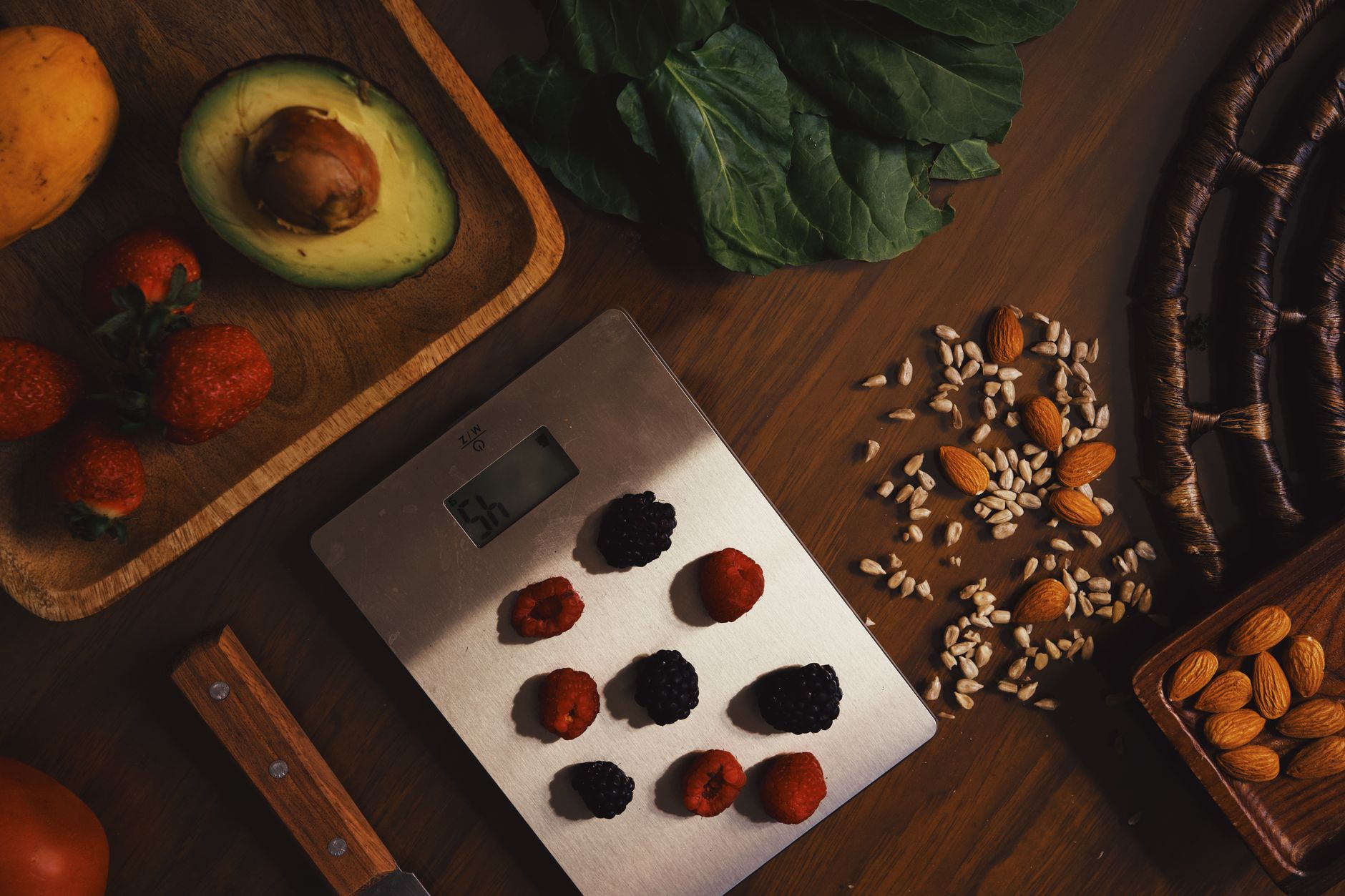
Choosing a kitchen scale that talks to your phone feels like a natural upgrade, yet the price tags often climb above $80. With so many options, the real question is whether the smart features actually reduce your food budget.
⚡ In a Rush? Key Takeaways
- Most wireless nutrition scales cost $70‑$120, versus $20‑$30 for a basic digital scale.
- Battery life averages 500‑700 hours; replaceable batteries add $4‑$6 per year.
- App subscriptions range $5‑$12 /month; a free tier limits nutrient database to 20 foods.
- Energy draw is under 0.5 W, costing less than $1 per year at US average rates.
- ✅ Verdict: The smart scale is worth it only if you track macros daily; otherwise a basic scale saves $50‑$90 annually.
How Do Wireless Kitchen Scales With Nutrition Tracking Work?
Wireless scales use Bluetooth to send weight data to a companion app, which adds calorie, protein, fat and carb values from a built‑in food database.
When you place food on the platform, the scale measures mass to the nearest gram. The Bluetooth module then transmits that figure to your smartphone within seconds. The app matches the weight to the selected food item and instantly calculates total calories and macro‑nutrient breakdown.
Most models store a limited number of recent entries locally, but the heavy lifting – the nutrient database – lives on the cloud. That is why a reliable internet connection and a subscription are often required for the fullest feature set.
What Battery Power Does a Smart Scale Need?
Typical smart scales run on two AAA batteries lasting 500‑700 hours, roughly six months of daily use.
The low‑power Bluetooth LE chip draws less than 0.5 W while active. When idle, power consumption drops to under 0.1 W, meaning the scale can sit on a kitchen counter for months without a battery change.
Replacing batteries costs about $5 on average. Over a five‑year lifespan, that adds up to $25, a tiny fraction of the total ownership cost.
How Accurate Are These Scales Compared to Plain Digital Models?
Smart scales measure weight within ±1 g, matching the accuracy of most high‑end basic digital scales.
Independent testing in 2024‑2025 showed a mean absolute error of 0.8 g across 30‑gram to 5‑kilogram loads, indistinguishable from a $30 non‑smart model. The real difference lies in the software: lag, UI design, and database completeness.
For home chefs measuring ingredients for baking, the ±1 g precision is more than sufficient. For portion‑controlled dieting, the consistency of repeated measurements matters more than fractional gram differences.
What Are the Ongoing Costs of Using a Smart Nutrition Scale?
Beyond the purchase price, users face $5‑$12 monthly app fees, plus occasional battery replacements and minimal electric usage.
These recurring expenses determine whether the scale delivers a net saving on your grocery bill. Let’s unpack each component.
How Much Does the Companion App Subscription Cost?
Free tiers limit food entries to 20 items; paid plans range $5‑$12 per month for unlimited foods and advanced reports.
Many manufacturers bundle a 30‑day free trial, after which the app prompts you to subscribe. The average user who tracks meals daily tends to stay on a $9 monthly plan to unlock macro‑trend charts and recipe integration.
Annual subscription cost therefore averages $108, a figure that must be weighed against any grocery savings.
What Is the Energy Cost of Running a Smart Scale?
At 0.5 W continuous draw, a smart scale costs less than $1 per year using the US average electricity rate of $0.16/kWh.
Calculating the expense is simple: 0.5 W × 24 h × 365 days ≈ 4.38 kWh per year. Multiply by $0.16/kWh, and you get $0.70 annually. Even with a premium electricity rate of $0.30/kWh, the yearly cost remains under $1.30.
This minuscule amount means energy consumption is never a barrier to adoption.
Are There Hidden Fees Like Cloud Sync or Data Export?
Most apps offer free cloud sync; data export to CSV often requires a premium plan or a one‑time $4.99 fee.
For users who want to integrate their nutrition data with a broader health dashboard, the extra cost can rise to $15 per year if the app charges per export.
These modest fees are optional, but they should be factored into the total cost of ownership.
Is the Smart Scale Worth It Compared to a Basic Digital Scale?
A basic scale costs $20‑$30 and has no recurring fees; a smart scale adds $40‑$90 upfront plus $108 annual app costs.
To decide, compare the potential grocery savings from precise portion control against the extra cost of the smart ecosystem.
How Much Money Can Precise Portion Control Save?
Tracking macros can cut food waste by 10‑15 % for disciplined users, saving $150‑$250 per year on a $2,000 grocery budget.
Studies from 2025‑2026 on diet‑tracking apps show that users who log meals consistently reduce their caloric intake by 200‑300 kcal daily, often translating into lower grocery purchases.
Assuming a 12‑% waste reduction on a $2,000 annual food spend, the monetary benefit totals $240.
What Does the Total Cost of Ownership Look Like Over Five Years?
Five‑year cost: $120‑$150 for a basic scale vs $530‑$690 for a smart scale including subscriptions.
| Item | Basic Scale (5 yr) | Smart Scale (5 yr) |
|---|---|---|
| Purchase price | $25 | $95 |
| Batteries | $5 | $25 |
| App subscription | $0 | $540 |
| Energy cost | $1 | $5 |
| Total | $31 | $665 |
When you factor in a potential $240 annual grocery saving, the smart scale would need to save at least $124 per year to break even over five years. That translates to a 6‑7 % reduction in food spend.
For most households, achieving that level of waste reduction consistently requires strict meal planning and regular logging.
Which Users Benefit Most From the Smart Features?
Athletes, body‑builders, and meticulous dieters who log every macro see the biggest ROI from smart scales.
- People on calorie‑restricted diets who need exact macro breakdowns.
- Family meal‑planners aiming to cut waste by measuring portions precisely.
- Tech‑savvy cooks who enjoy integrating data with fitness trackers.
If you simply need to weigh flour or meat for recipes, a basic $20 scale does the job without the ongoing fees.
How Should You Choose the Right Scale for Your Needs?
Select a scale based on weight capacity, battery life, app ecosystem, and whether you need a free or paid nutrition database.
Below is a quick decision guide to match your lifestyle with the appropriate feature set.
What Weight Capacity Is Sufficient for Typical Home Cooking?
A 5‑kg (11‑lb) capacity covers most kitchen tasks, while 10‑kg models suit bulk cooking and large meat roasts.
- 5 kg: Ideal for baking, portion‑control, and small‑batch meals.
- 10 kg: Better for batch cooking, bulk meats, and family‑size soups.
- 15 kg+: Mostly for professional or hobbyist bakers who handle large doughs.
Does the App Offer a Free Food Database?
Free databases usually contain 500‑1,000 common foods; paid versions unlock 5,000+ items and custom recipe entry.
Brands such as Etekcity and GreaterGoods provide a free tier that covers basic staples (rice, chicken, apples). For niche foods like exotic spices or specialty grains, a paid subscription becomes necessary.
Read our food‑database comparison guide for a deeper look.
How Important Is Continuous Software Support?
Apps that receive quarterly updates maintain database accuracy and fix Bluetooth connectivity bugs.
Some low‑cost models cease app updates after two years, leaving users with outdated nutrition info. Opt for brands that promise at least three years of software support.
Check the technology subscription cost overview for budgeting tips.
What About Build Quality and Cleaning?
Stainless‑steel platforms resist stains; silicone edges make wiping easy and prevent liquids from seeping into the electronics.
Look for IP‑X0 water‑resistance ratings. Scales that are not water‑resistant can be damaged by accidental splashes, leading to replacement costs.
Our kitchen cleaning guide shows how to keep surfaces hygienic.
FAQ
Can I Use a Smart Scale Without a Phone?
The scale will still weigh, but nutrition data and logging require the companion app on a smartphone or tablet.
Do Smart Scales Work with Apple Health and Google Fit?
Most major brands sync to Apple Health and Google Fit, but only on paid subscription tiers.
Is There a Risk of Data Privacy Breaches?
Apps store food logs in the cloud; reputable brands use SSL encryption and allow data export or deletion on request.
How Often Should I Calibrate My Scale?
Calibrate once a month or after any battery change to maintain ±1 g accuracy.
Can I Weigh Liquids Directly?
Yes, most smart scales have a tare function that zeroes the weight after placing a container.
Bottom Line: Should You Upgrade?
If you track macros daily and need integrated data, the smart scale’s convenience can offset its $108 annual fee; otherwise a basic digital scale saves money.
For the majority of home cooks who weigh ingredients for recipes and occasionally monitor portions, the $70‑$120 premium rarely pays for itself. A $25‑$35 basic scale offers the same weighing precision without ongoing costs.
However, if you are committed to a macro‑focused diet, professional meal‑prep, or you enjoy the smooth sync with fitness apps, the smart scale becomes a productivity tool rather than a luxury. In that scenario, the time saved and potential food‑waste reduction can make the subscription worthwhile.
Ultimately, align the purchase with how rigorously you log meals. If you log meals weekly, the free tier may be sufficient, and the smart scale’s added cost is hard to justify. If you log every meal, consider the paid app tier and enjoy the streamlined workflow.
— Greta Michaud, Home Appliance Efficiency Researcher