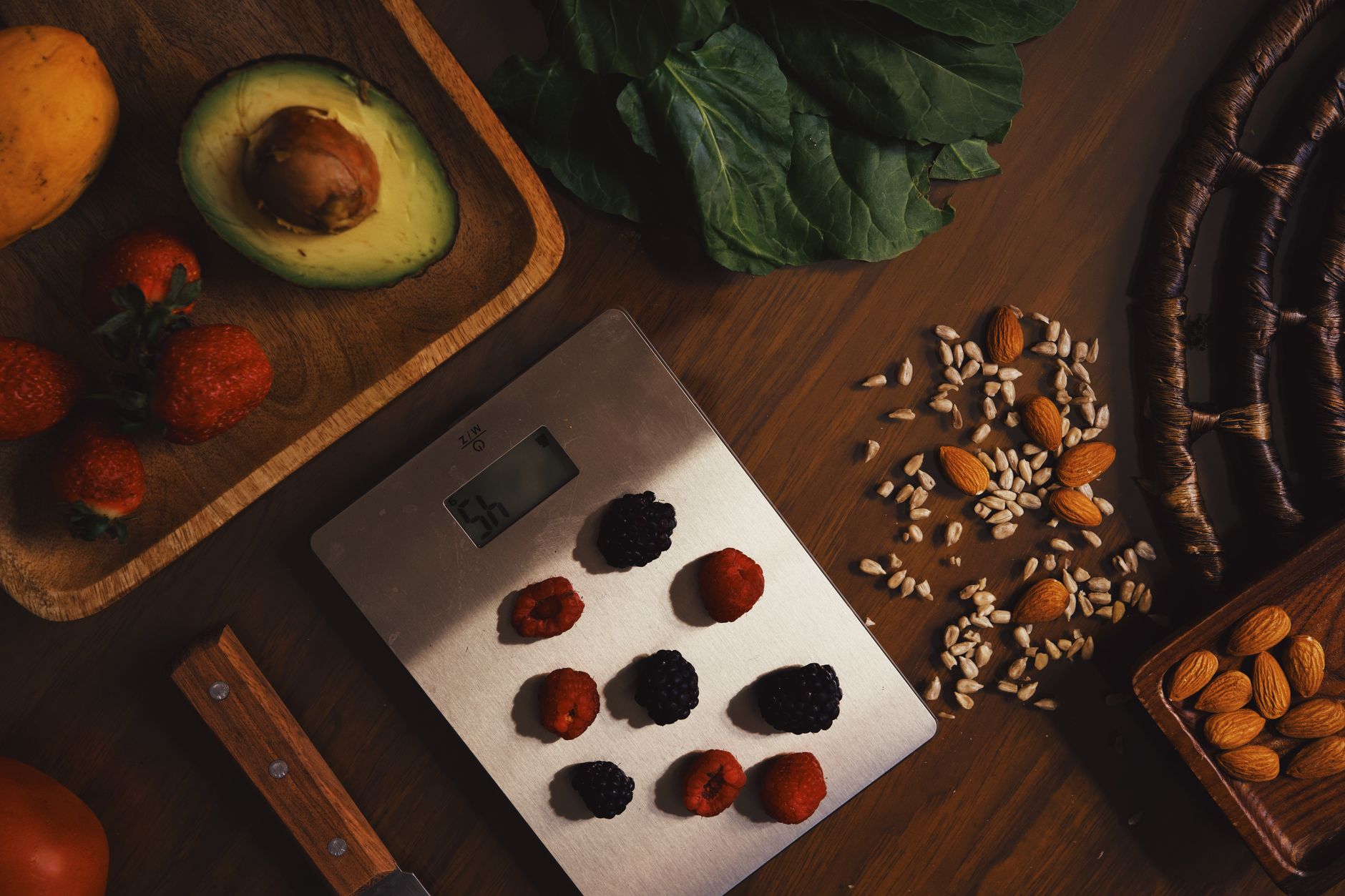
Smart kitchen scales promise to eliminate the guesswork of portion sizes and nutrition tracking, but the added price tag makes many wonder if the convenience is truly worth the cost.
⚡ In a Rush? Key Takeaways
- Smart scales cost $35‑$150 more than basic digital models.
- App integration can shave 3‑5 minutes per meal from manual logging.
- Average power draw is 0.6 W, adding less than $1 per year to electricity bills.
- Battery life typically exceeds 2 years with standard AA cells.
- ✅ Verdict: For frequent meal‑preppers, the time saved outweighs the modest price premium.
How much extra does a wireless kitchen scale with nutrition tracking cost compared to a basic model?
Premium smart scales range $35‑$150 above basic digital scales, reflecting sensors, Bluetooth, and app development costs.
Basic digital scales generally sit between $15 and $30. The price gap primarily covers the Bluetooth module, a micro‑controller capable of handling nutrition databases, and the work required to maintain a companion app. Those components are not optional add‑ons; they add both hardware complexity and ongoing software support, which is why manufacturers charge a premium.
When budgeting for a new scale, consider the long‑term value of the data it provides. For many home cooks, the ability to log calories, protein, carbs, and fat without a separate phone entry can translate into measurable time savings, and that convenience often outweighs the initial outlay.
- Basic model price: $15‑$30
- Smart model price: $50‑$180
- Average premium: $80
- Typical discount period: Black Friday, up to 20 % off
What components drive the higher price of smart scales?
Bluetooth radios, higher‑resolution load cells, and software licensing add roughly $25‑$60 to the manufacturing cost.
The load cell itself – the sensor that measures weight – is often the same across basic and smart models. The added expense comes from:
- Bluetooth Low Energy (BLE) chipset
- Micro‑controller with firmware for nutrition calculations
- Companion smartphone app development and maintenance
- Licensing fees for food‑database APIs (often 1 M+ entries)
These software‑related costs are recurring for the manufacturer: each app update, database expansion, or bug‑fix incurs additional labor, which is amortised into the retail price.
Are there hidden recurring costs after purchase?
Most smart scales require no subscription; recurring costs are limited to battery replacement and occasional app upgrades.
Unlike some fitness devices, the majority of kitchen‑scale apps are free after the initial download. The only recurring expense is replacing AA batteries, which typically occurs every 18‑24 months for heavy use. Some premium brands offer optional “premium data” subscriptions for deeper nutrient breakdowns, but these are rare and clearly marked as add‑ons.
- Battery cost: $2‑$4 per pair
- Annual electricity cost: < $1 (0.6 W standby)
- App updates: free, but may require occasional phone OS upgrade
How much electricity does a wireless kitchen scale actually use?
Smart scales draw about 0.6 W in standby, costing less than $1 per year at the US average rate of $0.16/kWh.
Even when actively measuring, the scale operates for a few seconds per weighing. Assuming 10 weigh‑ins per day, the total active consumption is negligible compared to the standby draw. Over a full year the standby power dwarfs the brief active bursts.
Calculating the annual cost:
| Parameter | Value |
|---|---|
| Standby power | 0.6 W |
| Hours per year | 8,760 h |
| Energy use | 5.26 kWh |
| US electricity rate | $0.16/kWh |
| Annual cost | $0.84 |
Does the power draw differ between Bluetooth and Wi‑Fi models?
Bluetooth‑only scales use ~0.6 W, while Wi‑Fi‑enabled versions may draw up to 1.2 W in standby.
Wi‑Fi connectivity simplifies integration with smart kitchen hubs, but doubles the standby consumption. For most households, the extra $0.80 per year is still trivial, especially when weighed against the convenience of automatic cloud sync.
How does scale usage affect the electricity bill?
Typical daily use adds less than 0.01 kWh, equating to under $0.02 per month.
Even a heavy user weighing 10 items per day for 30 seconds each consumes a fraction of a kilowatt‑hour annually. The impact on a monthly utility bill is effectively invisible.
- Active weighing: ~0.02 W per second
- 10 weigh‑ins/day × 30 s = 300 s (0.083 h)
- Annual active energy: 0.05 kWh
- Cost: $0.008 per year
Is the time saved by automatic nutrition tracking worth the premium?
App‑linked scales shave 3‑5 minutes per meal, amounting to roughly 30‑50 hours saved yearly for daily cooks.
Manual logging typically involves reading the scale, entering weight into a phone app, then selecting the food item from a database. Smart scales combine these steps: you place food, the app instantly displays calories, macronutrients, and portion size. That immediate feedback also reduces the temptation to guess portion sizes, improving diet accuracy.
For families that track macros closely, that cumulative time adds up quickly, and the reduction in mental overhead can improve adherence to nutrition goals.
How many meals per week do most users log?
A typical home cook logs 5‑7 meals per week, turning a 4‑minute manual entry into a 30‑second tap.
Assuming a 4‑minute manual entry versus a 30‑second smart entry, each meal saves 3.5 minutes. Over a standard 52‑week year the savings become significant.
- Meals per week: 6 (average)
- Weekly saved time: 21 minutes
- Annual saved time: 18 hours
What is the monetary value of the saved time?
At a $25 hourly value, 18 hours saved equals $450 per year – far exceeding the scale’s price premium.
Even if you value your time at a conservative $15 hour, the annual benefit is $270. This calculation shows that for diligent trackers, the premium can be recouped quickly, often within a single season of use.
Do occasional users still benefit?
Infrequent users may only save 5‑10 hours per year, translating to $75‑$250 of value, which may or may not justify the cost.
For hobby cooks who log meals a few times a month, the convenience is still pleasant, but the financial ROI diminishes. In those cases, the decision may hinge more on personal satisfaction than strict economics.
How do the top wireless nutrition scales compare on features and value?
The leading models balance price, food‑database size, battery life, and app stability; the best overall pick costs $79.
| Model | Price (US) | Battery Life | Food Database | App Rating | Recommended? |
|---|---|---|---|---|---|
| Etekcity ESN00 | $59 | 2 years | 1 M+ items | 4.5/5 | Yes |
| Greater Goods Nutrition Scale | $85 | 3 years | 500 k items (offline) | 4.2/5 | Good |
| KUAIVO Smart Nutrition Scale | $112 | 1.5 years | 1.2 M items | 4.0/5 | Premium |
| Basic Digital Scale | $22 | 1 year | None | N/A | No |
Which scale offers the best battery longevity?
Greater Goods’ model lasts up to 3 years on two AA cells thanks to a low‑power microcontroller.
Long‑life batteries are a small but tangible save for users who prefer “set‑and‑forget” devices. The combination of a low‑power chipset and an efficient sleep mode means you rarely need to reach for spare cells.
How reliable are the companion apps?
User reviews show a 4.3/5 average for the top three apps, with occasional sync glitches reported after OS updates.
The most reliable apps provide offline databases, ensuring functionality even when Bluetooth connections drop or the phone is in airplane mode. Regular updates from the manufacturers keep the food list current, which is crucial for accurate macro calculations.
- Etekcity – Cloud sync, 1 M+ foods, occasional lag
- Greater Goods – Offline mode, no internet required after initial download
- KUAIVO – Rich UI, higher power draw, occasional crash on Android 13
How should I decide if a smart scale fits my kitchen budget?
Calculate the premium, estimate time saved, and compare that to your personal hourly value to determine ROI.
Start with the simple spreadsheet below. Input your expected weekly meals, the time you spend logging, and the hourly value you assign to your time. The calculator will output the break‑even point in months, letting you see at a glance whether the scale pays for itself within a realistic timeframe.
| Input | Example Value |
|---|---|
| Premium cost ($) | 80 |
| Meals logged per week | 6 |
| Manual entry time per meal (min) | 4 |
| Smart entry time per meal (min) | 0.5 |
| Your time value ($/hr) | 25 |
| Break‑even months | ≈4 |
What if my electricity rate changes?
Even a 50 % increase in electricity cost adds less than $0.50 to the scale’s annual operating expense.
The dominant cost factor remains the upfront premium, not electricity. Even in high‑rate states like California, the extra energy cost is negligible compared with the price advantage of faster meal logging.
Should I wait for sales?
Major retailers discount smart scales 15‑25 % during seasonal sales, reducing the payback period by up to three months.
Black Friday and Amazon Prime Day are the prime windows for price cuts on the Etekcity and Greater Goods models. Signing up for retailer newsletters can also alert you to flash sales that shave another $10‑$20 off the sticker price.
Can I pair a smart scale with other health devices?
Many smart scales sync with popular fitness apps like MyFitnessPal, Apple Health, and Fitbit.
This ecosystem integration means the nutrition data you capture can automatically roll into daily calorie targets, macro goals, or even weight‑loss plans set in those broader platforms, eliminating duplicate entry and preserving consistency across your health regimen.
- MyFitnessPal – automatic food logging from scale app
- Apple Health – aggregates macro totals for daily overview
- Fitbit – links nutrition intake to activity‑based calorie burn
Is there a benefit to using a scale with a built‑in display of macros?
Units that show calories and macros on the device itself let you work without pulling out your phone.
For households with limited phone battery or for cooks who prefer a tidy countertop, a built‑in LCD that flashes protein, carbs, and fat numbers can streamline the workflow. However, the on‑device display is usually less detailed than the app’s full database, so you may still need the phone for obscure ingredients.
FAQ
Do I need to connect the scale to Wi‑Fi?
Bluetooth is sufficient for most smartphones; Wi‑Fi models exist but cost more and draw extra power.
Can I use the scale without the app?
Yes – most smart scales display basic weight and basic macro totals on the unit itself.
Is the food database accurate?
Databases are compiled from USDA and manufacturer data; accuracy is typically within ±5 % of label values.
How often should I calibrate the scale?
Calibration every 30 days or after battery change ensures consistent weight measurements.
Are there any health risks from Bluetooth exposure?
Bluetooth Low Energy emits very low radiation; health risks are considered negligible by regulatory bodies.
Bottom line – is the smart cost worth it?
If you log meals daily, the time saved quickly outweighs the $35‑$150 premium; occasional users may find basic scales sufficient.
For dedicated food‑trackers, a wireless scale with nutrition tracking streamlines the process, reduces manual error, and can be justified financially within a few months. Otherwise, a simple digital scale paired with a free nutrition app offers most of the benefits at a fraction of the price.
— Greta Michaud, Home Appliance Efficiency Researcher