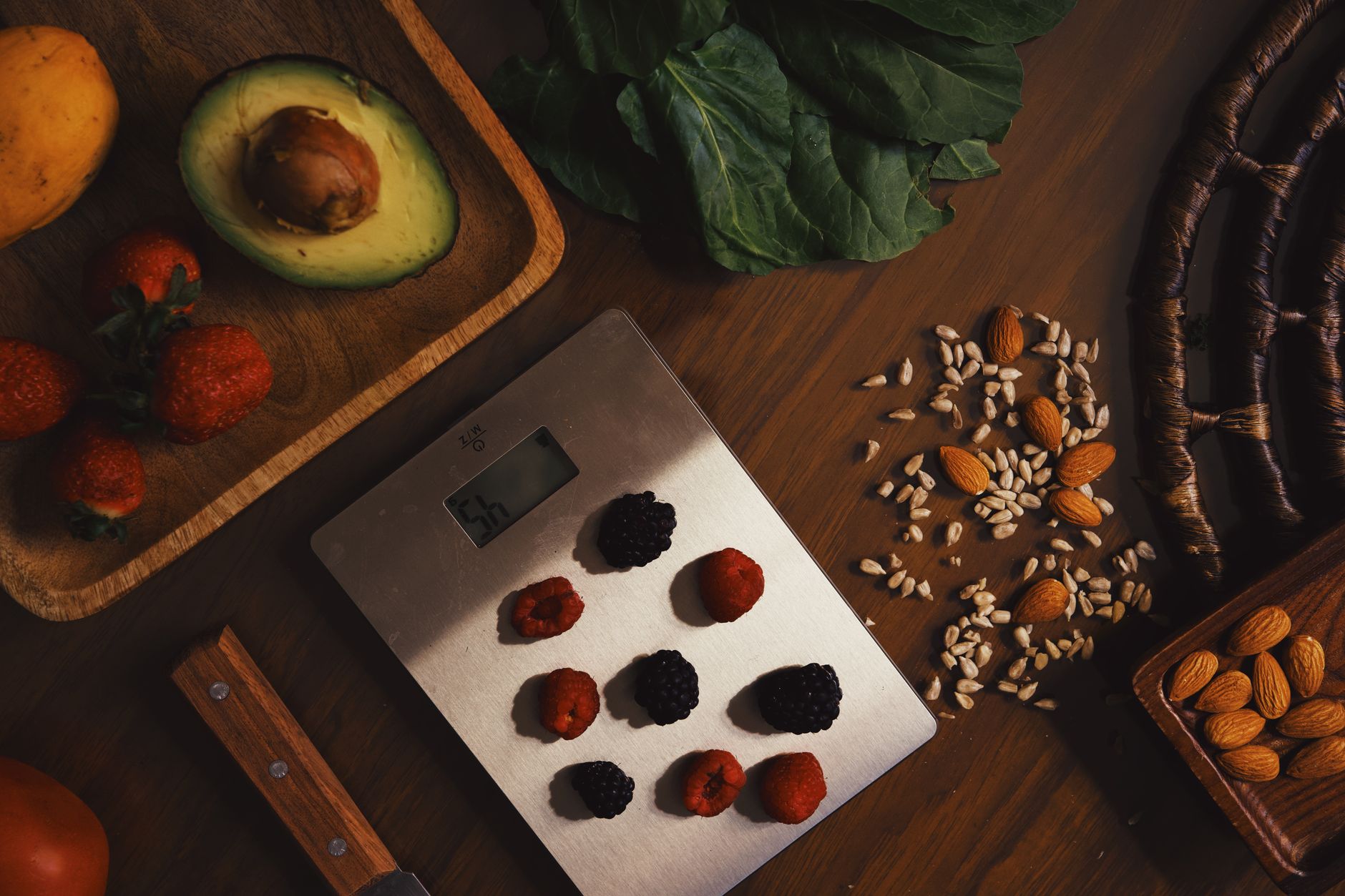
Selecting the right kitchen scale in 2026 offers more choices than ever before, particularly with the advent of ‘smart’ devices that promise to track nutrition and sync with apps. While a basic digital scale can measure ingredients precisely, these advanced models aim to be central hubs for dietary management. The question remains: does the added technology justify the increased cost, or are we paying for features that offer minimal real-world benefit to the home cook? This guide explores into the capabilities, cost-effectiveness, and overall utility of wireless kitchen scales with nutrition tracking.
⚡ In a Rush? Key Takeaways
- Smart scales range from $40 to $100+, a significant premium over basic models averaging $15–$25.
- Nutrition tracking varies: some log macros, others attempt to identify food types.
- Accuracy is paramount; even smart scales must offer precise weight measurements for their purpose.
- Integration with fitness apps can streamline data logging for fitness enthusiasts.
- ✅ Verdict: Smart scales offer tangible benefits for disciplined dieters or meal planners, but may be overkill for casual cooks.
How do wireless kitchen scales with nutrition tracking actually work?
Smart kitchen scales leverage Bluetooth or Wi-Fi to transmit weight data to a companion app, which then often logs nutritional information based on user input or an integrated food database.
What is the fundamental weighing mechanism?
At their core, all digital kitchen scales, smart or otherwise, rely on load cells. These are sensors that convert applied pressure (the weight of the food or container) into an electrical signal. This signal is then processed to display a numerical weight measurement. For a smart scale, this raw weight data is the first piece of information transmitted wirelessly. The ‘smart’ aspect comes in how this data is then interpreted and used within a digital ecosystem.
How does the nutrition tracking feature function?
This is where smart scales differentiate the most. Most systems require the user to manually select or search for the food item they are weighing within the associated app. Once the weight is transmitted, the app calculates the macronutrients (protein, carbohydrates, fat) and sometimes micronutrients or calorie counts based on the food’s standard nutritional profile. Some advanced models may attempt to use image recognition or barcode scanning, but these are less common and often less reliable for precise tracking.
What are the common connectivity options?
Bluetooth Low Energy (BLE) is the most prevalent connectivity standard for smart kitchen scales. It offers a good balance of efficient power consumption and sufficient range for typical kitchen use. Some higher-end models might offer Wi-Fi, enabling them to connect directly to a home network for data syncing without needing a smartphone nearby. This can be convenient for users who prefer to manage their data on a tablet or computer later.
### How accurate are these scales for everyday use?
Accuracy in smart scales is comparable to good quality basic digital scales, typically within 1-2 grams, but consistency relies heavily on calibration and environmental factors.
When considering a smart kitchen scale, the primary function—accurate weight measurement—must remain a top priority. The technology that enables wireless transmission and nutrition logging should not compromise the scale’s ability to provide precise readings. Reputable smart scales will offer a maximum weight capacity typically between 5 to 11 pounds (approximately 2.2 to 5 kg), with increments of 1 gram or 0.1 ounce.
Calibration is key to maintaining accuracy. Most smart scales, like their simpler counterparts, will require or prompt for calibration periodically, especially if they’ve been subjected to impact or significant temperature changes. Engaging with the app’s calibration features or performing a manual calibration according to the manufacturer’s instructions ensures that your weight measurements are reliable. A scale that consistently under- or over-measures trivial amounts can render its nutrition tracking features useless.
Environmental factors can also play a role. Ensure the scale is placed on a stable, flat surface, away from drafts or vibrations, which can interfere with the load cells. While smart scales offer advanced features, their foundation is a robust and reliable weighing mechanism, mirroring the performance of high-quality non-connected scales often recommended by culinary experts like those at Serious Eats.
Is the added cost of a smart scale justified by its features?
The cost premium for smart scales ranges from $25 to $75. The value justification depends on the user’s dedication to tracking macros and willingness to integrate app data into their routine.
The price difference between a reliable basic digital kitchen scale and a feature-rich smart scale can be substantial. While a good quality basic scale from brands like OXO or KitchenAid might cost between $20 to $50, smart scales from Etekcity, URAMAZ, or other connected appliance brands typically fall into the $40 to $100+ range in 2026. Understanding this cost differential is the first step in assessing whether the investment is worthwhile for your specific needs.
What specific nutritional data can I expect to track?
Most smart scales focus on macronutrient tracking: protein, carbohydrates, and fats. Users typically weigh an ingredient or a prepared meal, then use the companion app to log the item’s name. The app then uses its database to provide estimated values for these macros, along with calorie counts. Some scales or apps may include a broader range of micronutrients, vitamins, and minerals, but the accuracy and comprehensiveness of these can vary significantly. The ability to scan barcodes on packaged foods is a bonus feature that can expedite logging for certain items.
| Feature | Basic Scale (Est. Cost) | Smart Scale (Est. Cost) | Typical Benefit |
|---|---|---|---|
| Precise Weight Measurement | $15–$30 | $40–$100+ | Foundation for all tracking |
| Bluetooth/Wi-Fi Connectivity | N/A | $40–$100+ | Automated data sync to app |
| Macro/Calorie Tracking via App | Manual Entry Only | $40–$100+ | Streamlined dietary logging |
| Food Database Integration | N/A | $50–$100+ | Quick identification of foods |
| Fitness App Integration | N/A | $60–$100+ | Centralized health data |
For individuals meticulously tracking their intake for fitness goals, bodybuilding, or managing specific dietary conditions like diabetes, the convenience of automated logging can be invaluable. The time saved by not manually entering weights and looking up nutritional information can be significant. However, for a casual cook or someone simply aiming to be more mindful of portion sizes without granular data, a basic scale might serve just as well, with the savings perhaps better allocated to higher-quality ingredients.
How does integration with fitness apps enhance the experience?
The smooth integration with popular fitness and nutrition tracking applications like MyFitnessPal, Lose It!, or even broader health platforms is a major selling point for smart scales. This feature allows users to weigh their food, and have that weight data automatically sent to their preferred app. This eliminates the need for double entry—once on the scale’s proprietary app, and again in their primary fitness tracking app. For those who rely heavily on these apps for calorie counting, macro targets, or general health monitoring, this direct synchronization saves considerable time and reduces the likelihood of errors.
This connectivity is generally established through a setup process within the smart scale’s app, where users link their accounts. Once paired, the data flows automatically. This feature can be particularly appealing to athletes, bodybuilders, or individuals on strict weight management plans where precise and consistent tracking is crucial for achieving goals. It transforms the scale from a simple measuring device into an active component of a larger digital health ecosystem.
Are there ongoing costs or subscriptions associated with smart scales?
Most smart scales have no mandatory subscription fees for basic operation, but premium app features or advanced databases may require paid subscriptions.
One crucial consideration before purchasing a smart kitchen scale is whether its associated app requires a subscription for full functionality. While many brands offer a robust free tier for basic weighing and macronutrient tracking, they may reserve more advanced features for premium subscribers. This could include access to larger or more specialized food databases, detailed micronutrient breakdowns, custom recipe analysis, or personalized coaching features. It’s essential to review the terms of service and feature list for the specific app before committing to a purchase.
Generally, the core function of weighing and transmitting data to a linked fitness app is usually part of the free offering. However, if the unique selling proposition of a particular smart scale is its extensive database or highly granular nutritional analysis, and that requires a subscription, the initial purchase price is only part of the total cost of ownership. For users who are already subscribing to a separate nutrition app, the integration can be a significant benefit, but for those starting from scratch, it’s an additional expense to factor in. Brands like Etekcity, known for their affordable smart scales, often provide solid free app functionality.
What makes a ‘good’ smart kitchen scale for nutrition tracking?
A good smart scale provides accurate weights, smooth app syncing, a complete food database, and integrates with preferred health platforms.
Beyond the basic function of weighing, several factors contribute to a smart kitchen scale being considered ‘good’ for nutrition tracking. First and foremost is the reliability and ease of use of its companion app. A clunky or difficult-to-navigate app can quickly negate the convenience of wireless syncing. The app should offer a wide, searchable database of foods, including common ingredients, prepared meals, and restaurant items, to ensure complete tracking capability. The ability to add custom foods or recipes is also a valuable feature.
Consideration must also be given to the scale itself. Its build quality, the clarity of its display, and its user interface are important. Some smart scales feature integrated displays that show weight, calories, and macros directly, while others rely solely on the app. The physical design should be easy to clean and store in a typical kitchen environment. The battery life of the scale is another practical consideration; a scale that frequently needs recharging or battery replacement can be frustrating.
How important is the food database within the companion app?
The food database is arguably the most critical component of a smart scale’s nutrition tracking capability. A complete and accurate database significantly streamlines the logging process. If the app has a large selection of generic ingredients, branded products, and common restaurant meals, users can quickly find and log their food items. This accuracy is essential, as incorrect nutritional data can lead to miscalculated intake, potentially hindering dietary goals.
When evaluating smart scales, it’s worth investigating the source and scope of their food databases. Some rely on USDA data, public entries, or partnerships with nutrition information providers. Ideally, the database should allow for easy searching and provide detailed information, including not just macros but also potential micronutrient data. The ability to create custom entries or import recipes allows users to accurately log homemade meals or specific dietary products not found in the standard database.
For instance, a scale whose app struggles to find common items or requires extensive manual data entry for even simple ingredients will likely lead to user frustration. This is where competitor apps, like those used by services such as Lose It! or MyFitnessPal, have set a high standard. A smart scale’s success often hinges on how well its native app competes with or integrates into these established ecosystems. Products like the Etekcity smart scale are often praised for their accessible apps that make this integration relatively straightforward.
What is the typical lifespan and durability of these devices?
Smart kitchen scales generally last 5-7 years with regular use, comparable to high-quality basic scales, provided they are well-maintained and protected from moisture or impacts.
While the electronic components and wireless capabilities of smart scales might seem more delicate than those of basic scales, their physical construction is often designed for the rigors of kitchen use. Many feature sleek, minimalist designs with tempered glass or stainless steel surfaces that are both durable and easy to clean. The primary threats to longevity are typically water damage and physical impact. Spills or submersion can easily damage the internal electronics, including the sensitive load cells and wireless modules. Dropping the scale, even from a short height, can also misalign or damage these components, affecting its accuracy.
Proper care involves wiping the scale down with a damp cloth after use and never immersing it in water. Storing it on a level surface away from potential knocks or spills will also contribute to its lifespan. Most manufacturers provide an estimated battery life, and the rechargeable batteries in many modern smart scales are designed to last for hundreds of charging cycles, typically offering a useful life of several years before significant degradation occurs.
Comparing this to the lifespan of a good basic digital scale, which might also last 5-7 years with proper care, the durability factor doesn’t necessarily present a disadvantage for smart options. The electronic components are often sealed to protect against common kitchen contaminants. For users who integrate the smart scale into their daily routine as part of a dedicated nutrition plan, this expected lifespan aligns reasonably well with the long-term commitment required for such tracking.
Can I use a smart scale just for weighing ingredients, without the app?
Yes, most smart kitchen scales function as standard digital scales when the app is not actively connected or running.
A significant advantage of most smart kitchen scales is their dual functionality. They are designed to operate as competent standalone digital scales. You can easily weigh ingredients for recipes, portion out servings for cooking, or measure postage, just as you would with a non-connected scale. The ‘smart’ features are activated when you choose to pair the scale with its companion app via Bluetooth or Wi-Fi, typically through a simple button press or direct connection through the app itself.
This means that even if you are not meticulously tracking your macros every day, the scale still serves a practical purpose in the kitchen. For busy mornings when you just need to weigh out oatmeal, or when following a recipe that requires precise ingredient measurements, you can simply use it as a regular scale. The flexibility to engage with the smart features when desired and revert to a traditional scale for routine tasks makes these devices versatile for a wide range of home cooks.
This hybrid functionality is a key reason why many users find smart scales to be a worthwhile investment. They offer the precision and convenience of an advanced digital tool without sacrificing the essential, straightforward weighing capabilities that anyone who cooks regularly relies upon. The underlying technology for weighing is robust, and the ability to switch between modes is usually quite smooth, as demonstrated by models from brands like URAMAZ which often highlight this versatility.
## Our Verdict: Is the Smart Cost Worth It?
For dedicated dieters, fitness enthusiasts, or those managing specific health conditions, a smart kitchen scale offers significant time-saving and precise tracking benefits that justify its cost.
After reviewing the capabilities, costs, and practical applications, the decision of whether a smart kitchen scale is ‘worth it’ ultimately hinges on the user’s specific goals and commitment level. For individuals who are serious about granular dietary tracking—whether for athletic performance, weight management, or managing health conditions—the automated logging and detailed nutritional breakdowns provided by these devices offer a tangible advantage over manual methods.
The time saved by not having to manually enter weights and look up nutritional values can be substantial, especially for those who meticulously track every meal and ingredient. The integration with popular fitness apps further streamlines this process, centralizing health data in one place. Brands like Etekcity and URAMAZ have made these features more