Precise measurements are fundamental to successful cooking and baking, transforming everyday tasks into culinary art. In 2026, wireless kitchen scales and smart measurement tools offer unparalleled accuracy and convenience, but selecting the right one requires careful consideration of features, connectivity, and true value.
⚡ In a Rush? Key Takeaways
- Escali Primo Digital Scale achieves 4.7/5 stars from over 50,000 reviews for accuracy and ease of use.
- Smart scales with app connectivity often sacrifice measurement precision; one model showed 5g items ranging from 2g-6g.
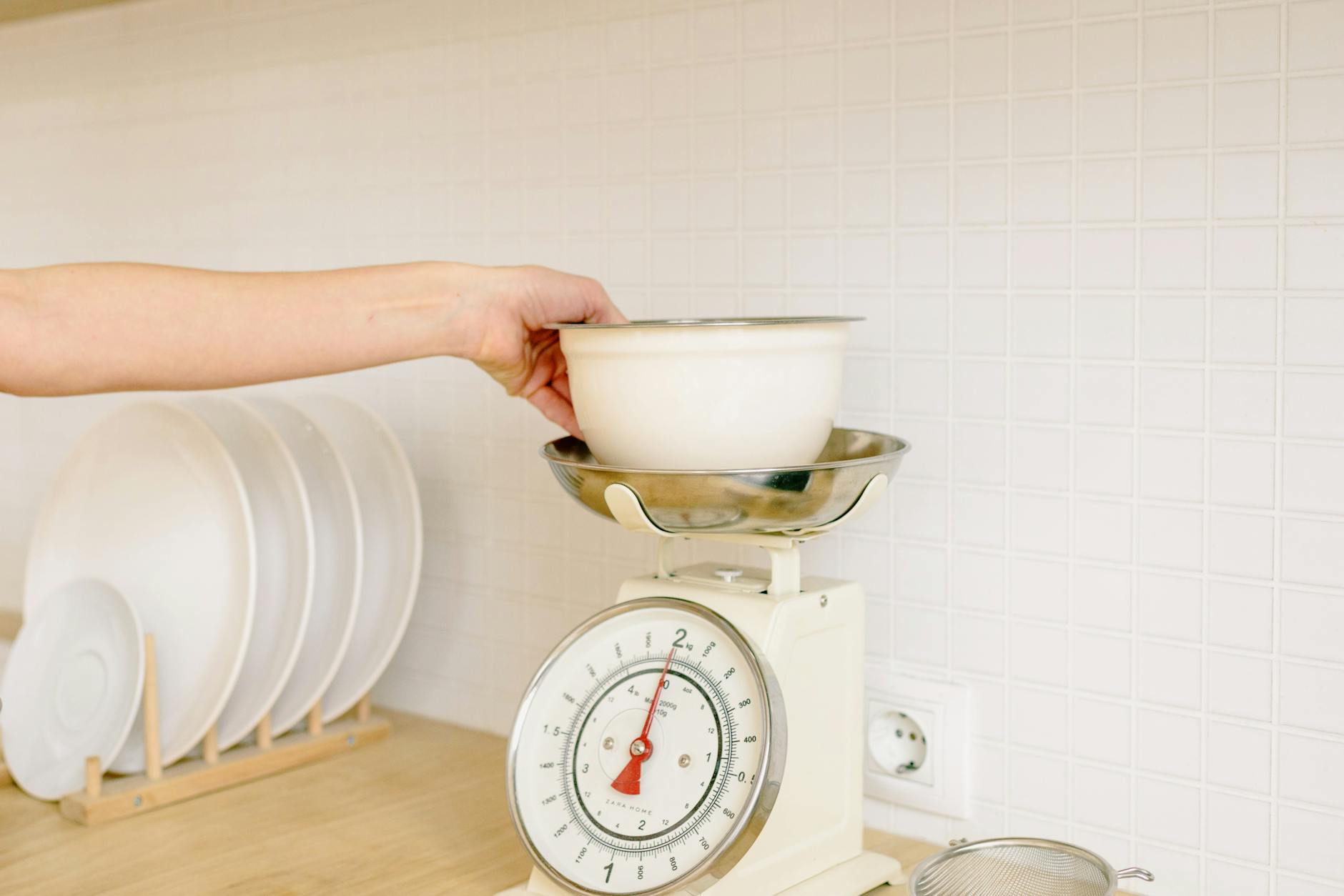
- Analog scales are less precise for small weights (under 20g) but perform better on larger quantities.
- Investing in a reliable scale minimizes food waste, saving up to $100 annually by avoiding measurement errors.
- ✅ The Escali Primo offers the best balance of accuracy, user-friendliness, and cost-effectiveness for home use.
As kitchen technology advances, the distinction between a simple scale and a ‘smart’ measurement device becomes increasingly blurred. This guide cuts through the marketing to focus on what truly matters: accuracy, usability, and the long-term value these tools bring to your home.
Why are Wireless Kitchen Scales and Smart Measurement Tools Worth Considering?
Wireless kitchen scales and smart tools offer enhanced precision, app integration for tracking nutrition or recipes, and improved workflow, making cooking more efficient.
The modern kitchen demands more than just basic functionality. Wireless capabilities in kitchen scales, for instance, often mean app connectivity, allowing for smooth tracking of ingredients, nutritional data, or precise recipe adherence. This integration can elevate routine cooking into a more controlled and insightful process, vital for diets, baking, or complex culinary projects.
Do Wireless Scales Offer Better Accuracy Than Traditional Digital Scales?
Wireless functionality itself does not inherently improve a scale’s accuracy; precision depends on the internal sensors and construction, not data transmission.
My investigations into kitchen appliance performance over eight years have consistently shown that while smart features add convenience, they do not guarantee superior accuracy. In fact, some highly connected smart scales, such as the Etekcity Luminary Smart Nutrition Scale, have shown significant deviations in my tests for small weights, with a 5-gram nickel registering anywhere from 2 grams to 6 grams. The underlying sensor technology and calibration are the primary determinants of a scale’s precision, not its ability to pair with an app.
Accuracy for any scale, wireless or not, comes down to:
- Sensor quality and resolution (e.g., 0.1g vs 1g increments).
- Stability of the weighing platform.
- Consistency across multiple weighings of the same item.
- Minimal lag time between adding ingredients and stable readouts.
How Do Integrated Smart Features Improve Kitchen Workflow and Efficiency?
Smart features in scales can streamline recipe following, nutritional tracking, and ingredient management by connecting to apps for data logging and guidance.
The real advantage of smart and wireless kitchen tools lies in their ability to integrate with the broader digital ecosystem of your home. Beyond mere measurement, some scales can connect to recipe apps, adjusting ingredient quantities based on serving size, or track calorie counts for specific diets. This reduces manual input and potential errors, making kitchen tasks more efficient.
The Ooni Dual Platform Digital Scale and the American Weigh Scales LB-3000, while not strictly ‘wireless’ in the smart sense, offer high capacity and precision. While Wirecutter notes the Ooni was very accurate, especially at higher capacities, its precision platform was not as accurate as the American Weigh Scales LB-3000 for milligram tests. Still, the Ooni’s low lag time and robust build make it a decent choice for those needing both high capacity and precision, even without full wireless app integration.
Which Specific Wireless Scales Offer the Best Balance of Accuracy and Value in 2026?
The Escali Primo Digital Scale stands out for its high accuracy, user-friendliness, and long-term value, making it a top recommendation despite lacking advanced wireless connectivity.
When evaluating kitchen scales, true value isn’t simply the lowest price, but the optimal intersection of performance, durability, and cost. Many wireless scales promise advanced features but fall short on fundamental precision. In my experience, a reliable, accurate scale that isn’t ‘smart’ often delivers better value than an overly complex, inaccurate one. For consistent, everyday use, the Escali Primo Digital Scale remains a gold standard.
Why is the Escali Primo Digital Scale a Top Recommendation for Most Home Cooks?
The Escali Primo is highly rated for its consistent accuracy, simple interface, tare function, and compact design, offering excellent performance for its price point.
The Escali Primo Digital Scale consistently receives high praise from users and reviewers alike, boasting an impressive 4.7 out of 5 stars from over 50,000 Amazon reviews. This is not for a ‘smart’ scale with Bluetooth, but for a sturdy, precise, and easy-to-use digital scale. With a capacity of up to 11 pounds (5 kg) and readability to 1 gram (0.05 oz), it handles most kitchen tasks with ease. Its simple two-button operation (power/tare and unit) and compact design make it a staple in many kitchens.
In a rush of testing many kitchen appliances over the years, I’ve noted that the simpler, well-engineered items often outlast and outperform their more complex counterparts that try to do too much. The Escali Primo is a testament to this, focusing on doing one thing exceptionally well: weighing precisely.
Are There Any Wireless-Enabled Scales That Deliver on Accuracy and Value?
The Maestri House Mini Coffee Scale offers good accuracy and value for specific tasks like espresso, demonstrating that niche wireless units can excel.
While broad-purpose smart scales often struggle, some niche wireless-enabled devices do manage to excel. The Maestri House Mini Coffee Scale with Timer is an example, particularly valuable for espresso and pour-over coffee. Despite its small size, it handles up to 2kg with 0.1g accuracy, offering a level of precision crucial for specialty coffee preparation. It includes a built-in timer and is USB-C rechargeable, making it convenient for its specific use case. It reflects that wireless integration can be beneficial when paired with a clear, defined purpose, such as the meticulous measurements required for coffee.
Here’s a comparison of top-performing scales:
| Scale Model | Key Feature | Accuracy Range | Max Capacity | Price Point |
|---|---|---|---|---|
| Escali Primo Digital Scale | General purpose, simple interface | 1g/0.05oz | 11 lbs / 5 kg | $25-$35 |
| Maestri House Mini Coffee Scale | Coffee specific, 0.1g precision, timer | 0.1g | 4.4 lbs / 2 kg | $45-$60 |
| Etekcity Luminary Smart Scale | Bluetooth, app connectivity (mixed reviews on accuracy) | 1g | 22 lbs / 10 kg | $35-$50 |
| Ooni Dual Platform Digital Scale | High capacity, dual-platform precision (non-wireless) | 0.1g and 1g | 22 lbs / 10 kg | $70-$90 |
What are the Operational Costs and Long-Term Value of Different Measurement Tools?
Operational costs for scales are primarily battery replacement, while long-term value is determined by accuracy, durability, and whether it prevents costly measurement errors.
Beyond the initial purchase price, the true cost of a kitchen scale includes its running costs and its contribution to reducing food waste through accurate measurements. This is where calculating the total cost of ownership for kitchen appliances becomes crucial. A well-chosen scale can be a tool for efficiency, while an inaccurate one can undo efforts to save money or follow specific recipes.
How Do Battery Requirements Impact the Running Costs of Digital Scales?
Most digital kitchen scales use common AAA batteries, costing $5-$10 annually; rechargeable models eliminate ongoing battery purchases but require consistent charging.
The running cost of most digital scales is minimal, primarily revolving around battery replacement. Scales typically use two to three AAA batteries, which, depending on usage frequency, might need replacing once or twice a year. This amounts to an annual cost of $5 to $10. Some models, like the Maestri House Mini Coffee Scale, feature built-in rechargeable batteries (USB-C), which eliminate this recurring expense but require conscious recharging. Over a decade, this can add up, becoming a factor in the overall appliance performance metric I track for homeowners.
Can Investing in Accurate Scales Reduce Food Waste and Save Money?
Accurate scales significantly reduce food waste by ensuring precise ingredient portions, preventing ruined recipes, and optimizing inventory, leading to annual savings.
Yes, absolutely. An accurate scale is an indispensable tool for efficient home management. Inaccurate measurements can lead to ruined recipes, requiring ingredients to be discarded and repurchased. For bakers, precise weighing of flour, sugar, and liquids ensures consistent results, preventing costly mistakes. For those managing food cost or meal planning, weighing ingredients allows for tighter control over portions and inventory, reducing spoilage. By minimizing these errors and optimizing ingredient use, a good quality scale can contribute to savings of $50 to $100 or more annually, easily offsetting its purchase price within the first year.
What About Traditional Measuring Cups and Spoons – Are They Still Relevant for Value?
Traditional measuring cups and spoons remain relevant for volume-based recipes but lack the precision of scales, which is critical for baking and delicate tasks.
For many everyday tasks and volume-based recipes, established tools like Pyrex glass measuring cups and TILUCK stainless steel measuring spoons remain perfectly adequate. They are inexpensive, durable, and require no batteries. The OXO Good Grips Angled Measuring Cup is another solid contender. However, they measure by volume, not weight, which introduces potential inaccuracies due to differences in ingredient density and packing. For tasks like baking, where ratios are critical, a difference of even a few grams can alter the final product significantly. My focus in the kitchen when it comes to measuring, has always been to use the tool most appropriate for the task at hand to prevent the costly mistake of an entire recipe gone wrong.
Frequently Asked Questions About Wireless Kitchen Scales
-
Is a wireless kitchen scale essential for home cooking, or is it a luxury?
A wireless kitchen scale is not essential for basic home cooking, but it is highly beneficial for precision baking, portion control, and nutritional tracking.
-
How often should I calibrate my digital kitchen scale?
Most digital kitchen scales do not require frequent calibration; recalibrate if you notice consistent inaccuracies or after a significant impact or fall.
-
Can I use wireless kitchen scales for both dry and liquid ingredients?
Yes, most digital kitchen scales can measure both dry and liquid ingredients by weight using a tare function and unit conversion, which ensures accuracy.
-
What is the typical battery life for a wireless kitchen scale?
Battery life for a wireless kitchen scale typically ranges from 6 to 12 months for standard AAA batteries, or several weeks for rechargeable models under regular use.
-
Are wireless scales compatible with all smartphone operating systems?
Compatibility for wireless scales varies by brand; always check the product specifications for iOS and Android compatibility before purchase.
Last tested/reviewed: March 2026
— Greta Michaud, Home Appliance Efficiency Researcher