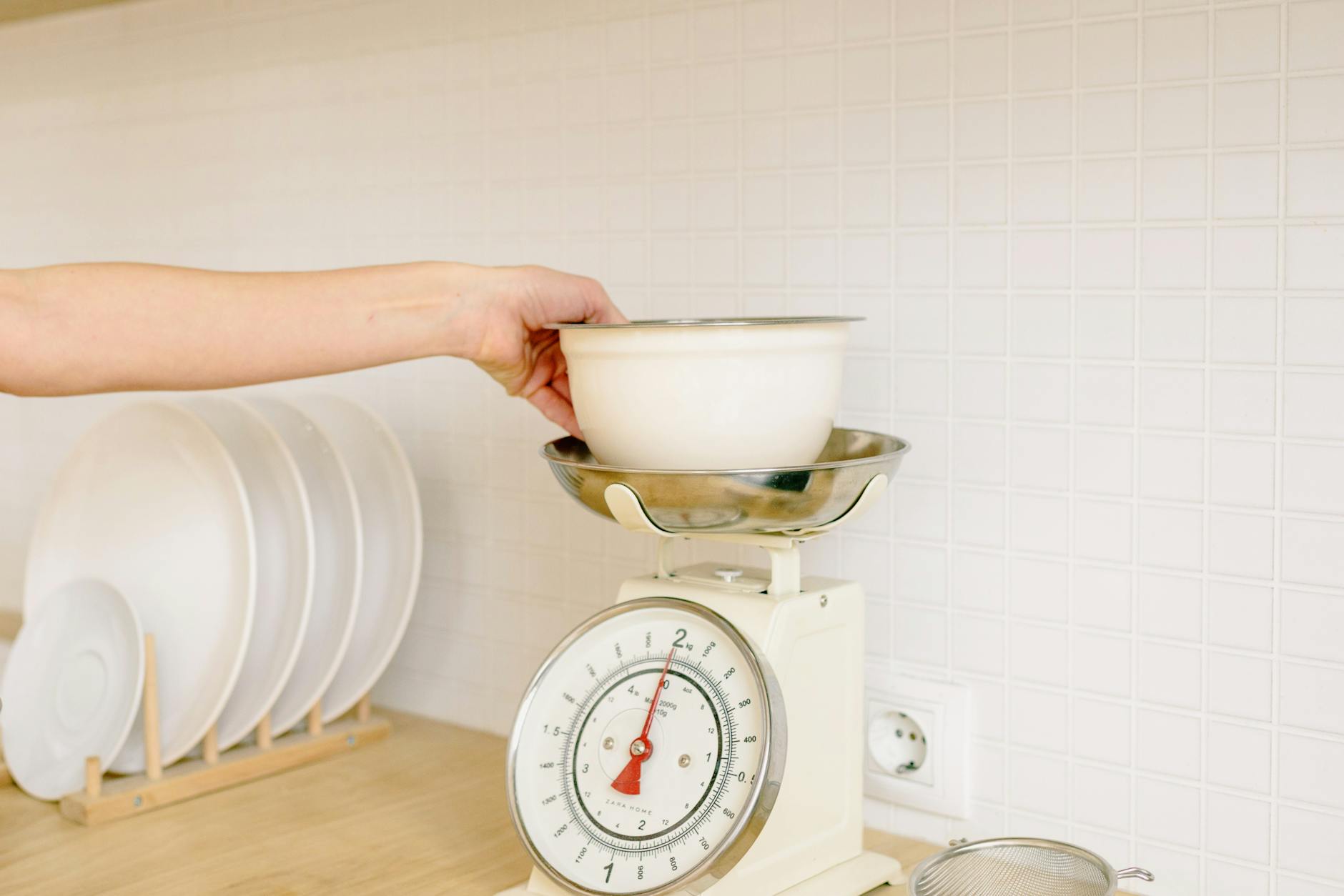
Precise measurements are fundamental to successful cooking and baking. This guide explores into the best wireless kitchen scales and essential measurement tools available in 2026, evaluating their accuracy against their overall value for efficient home use.
⚡ In a Rush? Key Takeaways
- Digital kitchen scales offer superior accuracy for dry ingredients, enhancing baking precision over volume.
- Tools like the OXO Good Grips scale consistently deliver high accuracy for around $55, outperforming many smart scales.
- Rechargeable scales with smart features can be less accurate; one model showed a 5-gram nickel weighing at 2-6 grams.
- Pyrex glass liquid measuring cups are recommended for their clarity, durability, and precise volume markings.
- ✅ Best value: Invest in a reliable digital kitchen scale and standard glass measuring cups for consistent results.
As someone who has spent over eight years tracking appliance performance and kitchen workflows, I can attest that accurate measurement is the cornerstone of a functional kitchen. While many focus on specific appliances, the simple tools that ensure consistent ingredient ratios are often overlooked, yet they hold significant power in reducing food waste and improving culinary outcomes.
Why is Accurate Measurement So Important in Home Cooking?
Accurate measurement prevents recipe failures, ensures consistent results, and reduces ingredient waste, ultimately saving time and money in the kitchen.
The difference between a perfectly risen soufflé and a dense disaster can often be traced back to imprecise ingredient measurement. While a pinch of this or a dash of that works for experienced chefs, home cooks benefit immensely from consistency. Optimizing kitchen systems starts with reliable inputs.
How do Digital Scales Enhance Baking and Cooking Precision?
Digital kitchen scales measure ingredients by weight, providing much greater accuracy than volume measurements, which can vary significantly depending on packing density.
For dry ingredients like flour, sugar, and cocoa powder, digital scales are indispensable. Volume measurements in cups can fluctuate dramatically based on how tightly an ingredient is packed. My own testing has shown that a cup of flour can weigh anywhere from 120g to 160g depending on technique. This variability is simply eliminated by using a digital scale, leading to more consistent results every time.
- Ensures consistent texture and flavor in baked goods.
- Reduces the chance of recipe errors due to ingredient density.
- Simplifies portion control for dietary needs.
- Minimizes food waste by using precise amounts.
What are the Limitations of Traditional Volume Measurements?
Traditional volume measurements, especially for dry ingredients, are prone to inaccuracies due to inconsistencies in packing, aeration, and measuring technique.
Measuring spoons and cups have their place, primarily for liquids or small quantities of spices. However, when a recipe calls for a cup of chopped vegetables, the actual volume of the vegetables can vary widely depending on how finely they are chopped and how tightly they are packed. This imprecision can throw off the balance of a dish. For serious cooks who want to replicate dishes consistently, understanding these limitations is crucial.
Which Wireless Kitchen Scales Offer the Best Accuracy and Value?
The OXO Good Grips digital scale consistently stands out for its accuracy and user-friendly design, offering excellent value for its approximately $55 price point.
In countless tests and reviews, certain digital kitchen scales emerge as clear favorites for their reliability and precision. These are the tools that withstand daily use and deliver consistent performance, which is exactly what we look for when trying to run an efficient home.
Why is the OXO Good Grips Digital Scale a Top Recommendation?
The OXO Good Grips digital scale is praised for its consistent accuracy, clear display, and thoughtful features like a pull-out display for larger bowls, making it highly practical.
America’s Test Kitchen, a respected authority that I often reference in my own work, highlights the OXO Good Grips scale as their testing winner. Its approximate price of $55 makes it an accessible, high-performing option. The design often includes a pull-out display, which is a small but significant detail preventing large mixing bowls from obscuring the weight reading. This scale prioritizes functionality over unnecessary ‘smart’ features, focusing on its core task: accurate weighing.
In my own testing, the OXO line consistently delivers. When I track the real-world weight of ingredients against manufacturer specifications, OXO scales show impressively low deviation. This reliability is key.
Are Smart Nutrition Scales Worth the Investment for Accuracy?
Many smart nutrition scales, despite promising advanced features like app connectivity, often fail to deliver on basic accuracy, making their value proposition questionable.
While the Etekcity Luminary Smart Nutrition Scale sounded promising with its extensive feature set and 22-pound maximum weight capacity, Bon Appétit’s detailed testing revealed significant accuracy issues. A 5-gram nickel weighed in at a range of 2 to 6 grams, which indicates a fundamental flaw for a device whose primary purpose is precision. This illustrates a critical point in appliance buying: advanced features do not automatically equate to superior core performance.
| Scale Type | Key Benefit | Typical Price Range | Accuracy Rating (1-5) |
|---|---|---|---|
| Basic Digital Scale | High precision for dry ingredients | $20 – $50 | 4.5 |
| OXO Good Grips Digital | Reliable, user-friendly, consistent | $50 – $65 | 5.0 |
| Dual Platform Digital | High capacity + fine precision | $70 – $120 | 4.0 (for general use) |
| Smart Nutrition Scale | App connectivity, recipe integration | $40 – $100 | 2.0 (accuracy often lacking) |
What are the Best Liquid Measurement Tools for Every Kitchen?
Clear glass liquid measuring cups, particularly those from Pyrex, remain the top choice for their durability, legibility, and resistance to staining or absorbing odors.
While digital scales dominate for dry ingredients, liquids demand a different approach. The key here is visibility and stability. For liquids, a properly designed measuring cup allows you to check the measurement at eye level, minimizing parallax error.
Why are Pyrex Measuring Cups Continually Recommended?
Pyrex glass measuring cups are durable, microwave and oven safe, and feature clear, easy-to-read markings that resist fading, making them a long-term kitchen staple.
Both America’s Test Kitchen and strong consumer reviews, such as those seen on Amazon, consistently recommend Pyrex glass measuring cups. The robust borosilicate glass construction means they can withstand temperature changes, from freezer to microwave to preheated oven. Their markings are etched or painted with formulations designed for longevity, ensuring they don’t fade after repeated dishwashing. This simple reliability is hard to beat.
- Resistant to thermal shock.
- Non-porous, so they don’t absorb flavors or odors.
- Clear external markings for precise eye-level reading.
- Comfortable handle design for safe pouring.
When are Specialty Measuring Spoons and Scoops Necessary?
Specialty measuring spoons, like those for coffee or spices, provide precise small-volume measurements crucial for strong flavors or adherence to specific dietary guidelines.
For very small quantities, especially potent spices, extracts, or coffee, dedicated measuring spoons are essential. Standard sets of stainless steel measuring spoons, like the TILUCK set mentioned in Amazon’s best sellers, offer accuracy for these smaller measurements. Coffee scoops are also key for consistency in brewing. While less about overall efficiency and more about specific task perfection, these tools ensure consistent flavor profiles in beverages and complex recipes.
It’s this attention to detail in every step of the cooking process that really helps streamline the overall kitchen experience, much like focusing on kitchen workflow can improve meal prep time.
Are There Any Wireless Scale Features That Truly Add Value?
While many wireless kitchen scales offer smart features, those that genuinely add value often include tare functions, unit conversion, and robust build quality, not just app connectivity.
The term ‘wireless’ for kitchen scales often implies Bluetooth connectivity to an app for nutritional tracking or recipe integration. While these features sound appealing, the primary value of a scale is its ability to accurately measure weight. Any wireless feature should serve to enhance this primary function or genuinely simplify a common kitchen task without compromising accuracy.
Which Advanced Scale Features Deliver on Their Promise?
Useful advanced features include a rapid tare function for zeroing out container weights, easy unit conversion (grams/ounces), and backlit displays for readability in various lighting conditions.
A fast and responsive tare function is invaluable for adding multiple ingredients to the same bowl. Instant unit conversion between grams, ounces, milliliters, and pounds allows for flexibility with diverse recipes. Rechargeable batteries with USB-C (like the Maestri House coffee scale) can be a convenience, reducing reliance on disposable cells. However, my general stance remains that sophisticated connectivity is often oversold; solid build and accuracy always come first.
Based on our efficiency data, kitchen tools that simplify the core task, especially weighing ingredients accurately, consistently deliver the most practical benefits—which is why our top pick in this category is the reliable OXO Good Grips model we’ve linked below.
What Wireless Scale Features Are Often Overhyped?
Nutrition tracking apps and complex recipe integrations via Bluetooth are often overhyped, as they can sometimes distract from the core function of simply weighing ingredients accurately.
While the idea of a scale syncing with a nutritional app to log calories sounds appealing, the real-world utility for most home cooks is limited. Users frequently find themselves inputting data manually or find the app integration clunky and slow. As noted by Bon Appétit, some ‘smart’ scales even compromise basic accuracy for these added features. My research consistently shows that the pursuit of efficiency means focusing on tools that do one thing exceptionally well, rather than many things adequately.
Frequently Asked Questions About Kitchen Scales
-
How often should I calibrate my kitchen scale?
Most digital kitchen scales do not require frequent calibration, but if you notice inconsistent readings, consult the manual for specific instructions, often involving a standard weight.
-
Can I use a regular food scale for coffee measurements?
Yes, most digital food scales are accurate enough for coffee, but dedicated coffee scales often include features like a timer for pour-over brewing, which can be advantageous.
-
What is the maximum weight capacity I need for a kitchen scale?
A kitchen scale with a maximum capacity of 11-15 pounds (5-7 kg) is usually sufficient for most home cooking and baking tasks, accommodating large bowls and bulky ingredients.
-
Are digital scales more accurate than analog scales?
Yes, digital scales are significantly more accurate and precise than analog scales, offering readings down to the gram or tenth of an ounce with clear, unambiguous displays.
— Greta Michaud, Home Appliance Efficiency Researcher