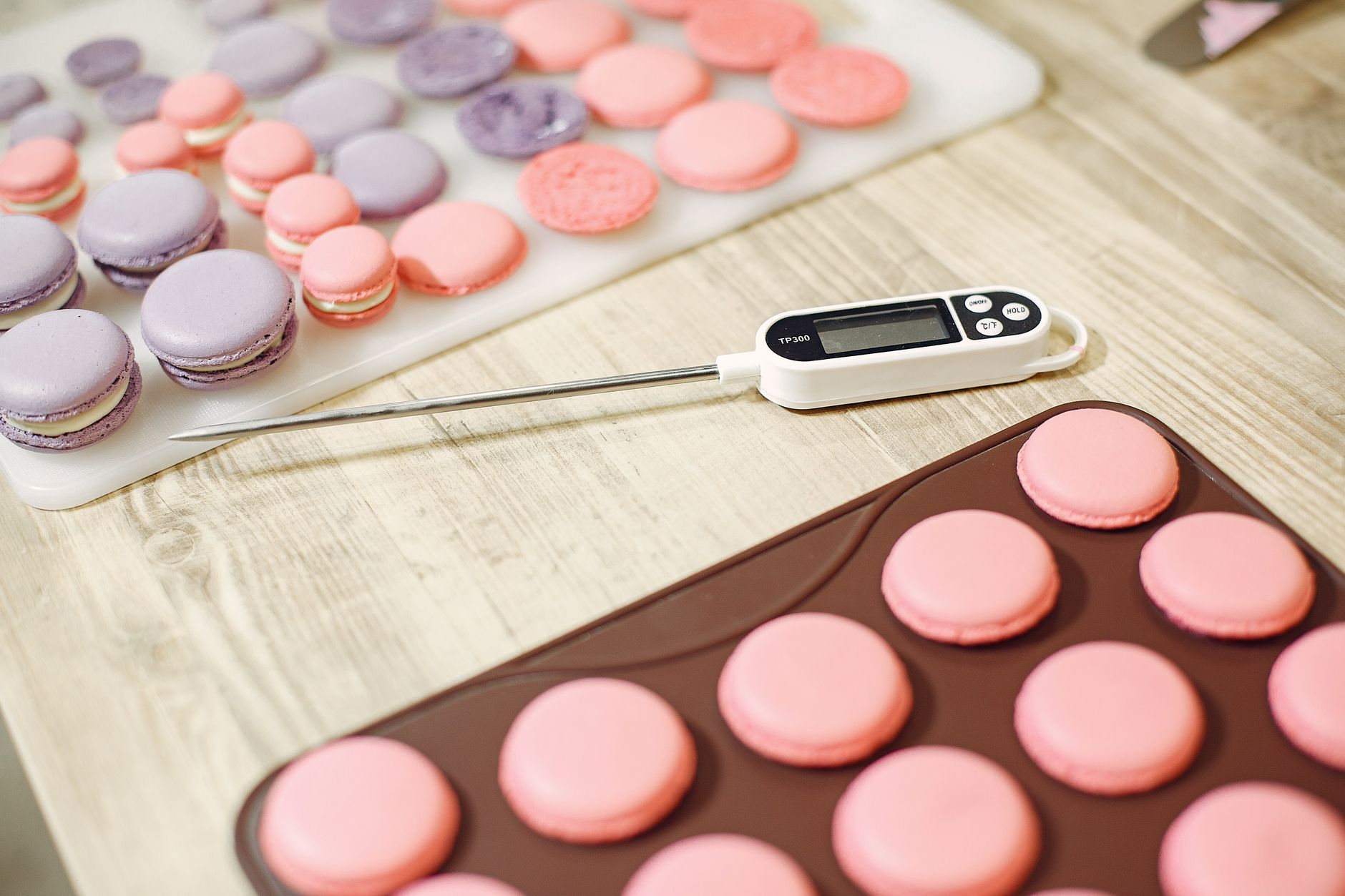
Choosing a food thermometer may feel like a small decision, but the right tool protects health and improves flavour every time you cook.
⚡ In a Rush? Key Takeaways
- Instant‑read probes register 0‑400 °F in under 2 seconds, saving up to 5 minutes per large roast.
- Thermometers with ±0.5 °F accuracy cost $30‑$80; cheaper models often exceed ±2 °F.
- Digital models with replaceable batteries last 2‑3 years, reducing ongoing costs.
- Water‑resistant probes meet IPX7 rating, surviving accidental splashes and dishwasher cycles.
- ✅ Verdict: Invest in a calibrated, ±0.5 °F instant‑read probe for versatile, long‑term value.
How do the main types of food thermometers differ in everyday use?
Probe, infrared and oven‑door thermometers each measure temperature differently, affecting speed, accuracy and suitability for various foods.
Three core technologies dominate the market: probe (instant‑read or leave‑in), infrared (surface) and oven‑door (built‑in). Understanding how each works helps you match the tool to the cooking method you use most.
What are the strengths and limits of instant‑read probe thermometers?
Instant‑read probes give sub‑second readings, excel for quick checks, but cannot monitor temperature continuously during cooking.
These handheld devices use a metal probe inserted into food, displaying the temperature on a digital screen. Their speed is unmatched – most models reach a stable reading in 1‑2 seconds, which is ideal for slicing into a roast or checking a pan of sautéed vegetables.
- Best for grilling, pan‑searing, and checking large roasts.
- Typical range: -58 °F to 572 °F.
- Accuracy: ±0.5 °F to ±2 °F depending on price.
When should I rely on infrared (IR) thermometers?
Infrared thermometers measure surface temperature in milliseconds, perfect for grills, candy making, and checking pan heat without contact.
IR units point at a surface and calculate temperature based on emitted radiation. They are invaluable for confirming grill grates are hot enough for searing or ensuring oil reaches the right temperature for frying.
- Ideal for non‑contact checks on grills, stovetops, and deep‑fryers.
- Range often exceeds 1,200 °F, covering high‑heat cooking.
- Accuracy typically ±2 °F; surface emissivity can affect readings.
Are oven‑door or built‑in thermometers still relevant?
Oven‑door probes give a single, continuous reading inside the oven, helping you verify oven calibration.
These devices sit inside the oven cavity and display temperature on the door panel or a small external screen. They are useful for bakers who need a reliable oven temperature, as many ovens run hotter or cooler than the dial suggests.
- Great for baking breads, pastries, and low‑and‑slow roasts.
- Temperature range typically 150‑500 °F.
- Accuracy varies; look for models with ±1 °F calibration capability.
What accuracy standards should I use to compare models?
Look for ±0.5 °F accuracy, calibration certificates, and compliance with NSF/ANSI 1‑2017 for reliable food‑safety measurements.
Accuracy is the single most important metric because a 5 °F error can turn a safe 165 °F chicken into a potential health risk. Industry standards such as NSF/ANSI 1‑2017 and the European EN 12566‑3 specify testing methods for culinary thermometers.
How is accuracy measured and reported?
Manufacturers test accuracy across the full temperature range, reporting the maximum deviation from a calibrated reference.
Typical test procedures involve immersing the probe in a thermostatically controlled water bath at several points (e.g., 140 °F, 165 °F, 200 °F). The greatest deviation observed becomes the stated accuracy.
| Accuracy Rating | Typical Price | Typical Use Cases |
|---|---|---|
| ±0.5 °F | $60‑$120 | Professional kitchens, serious home cooks |
| ±1 °F | $30‑$60 | Enthusiast home cooks |
| ±2 °F | Under $30 | Occasional cooks, budget shoppers |
Why does calibration matter?
Calibration aligns the probe with a known standard, ensuring the displayed temperature matches the true value.
Even a high‑accuracy thermometer can drift over time due to sensor wear or battery voltage changes. Most quality models include a built‑in calibration function that lets you adjust the reading using an ice‑water bath (32 °F) or boiling water (212 °F at sea level).
- Perform calibration at least once per year.
- Use a separate, certified reference thermometer for best results.
- Some models lock calibration after a set number of uses to prevent accidental changes.
How do price, features and maintenance affect the total cost of ownership?
Higher upfront cost often means better accuracy, longer battery life and replaceable probes, reducing long‑term expenses.
When budgeting, consider not only the sticker price but also consumables like batteries, probe replacements, and occasional calibration services. A cheap $15 thermometer may need replacement after two years, whereas a $80 model could last a decade.
What are the hidden costs of low‑priced thermometers?
Cheap units often lack water resistance, use non‑replaceable batteries and may fail calibration, leading to higher long‑term spend.
Budget thermometers frequently employ cheap thermistors that drift, and their probes are often not detachable, making cleaning difficult. If a probe breaks, you must replace the entire device.
- Battery replacement every 6‑12 months – $5‑$10 per set.
- Potential loss of food safety if accuracy degrades.
- Frequent replacement adds $15‑$30 per year.
Which premium features truly add value?
Replaceable probes, IPX7 water resistance and Bluetooth logging justify higher prices for serious cooks.
Features to prioritize include a detachable, stainless‑steel probe (easy to sterilize), an IPX7 rating (survives submersion up to 1 m for 30 min), and Bluetooth or Wi‑Fi logging that records temperature curves for sous‑vide or smoking.
- Replaceable probes extend device life by 5‑10 years.
- Bluetooth apps allow you to export data for recipe refinement.
- Water‑resistant designs survive kitchen mishaps, reducing accidental damage.
How does battery type influence ongoing cost?
Rechargeable Li‑ion batteries cost more upfront but lower yearly expenses compared with disposable AA cells.
Most mid‑range models use AA or AAA batteries, lasting 300‑500 readings per set. Premium units often feature built‑in rechargeable lithium‑ion packs that you can charge via USB, lasting thousands of readings before degradation.
- AA/AAA: $4‑$6 per pack, replace every 12‑18 months.
- Li‑ion: $20‑$30 initial, charge indefinitely.
- Long‑term savings: up to $30 per year with rechargeable units.
What practical tips ensure accurate, hygienic use of any food thermometer?
Clean probes with hot, soapy water, calibrate monthly, and store in a protective case to maintain accuracy.
Even the best thermometer can give false readings if misused. Follow these daily habits to keep your instrument reliable.
How often should I calibrate my thermometer?
Calibrate at least once a month using an ice‑water bath; more frequently if you notice inconsistent readings.
Fill a glass with ice, add water, stir, and wait 2 minutes. The probe should read exactly 32 °F (0 °C). Adjust using the device’s calibration knob or menu.
- Monthly calibration adds less than 5 minutes to your routine.
- Record the adjustment in a kitchen log for reference.
- If the probe cannot be calibrated, consider replacement.
What cleaning routine prevents cross‑contamination?
Rinse the probe with hot, soapy water after each use; sterilize weekly in boiling water for extra safety.
Because the probe contacts raw meat, thorough cleaning is essential. A quick dip in a 70 °C (158 °F) water bath after each use eliminates most bacteria.
- Wash with dish soap and a soft brush.
- Sanitize weekly by immersing in boiling water for 30 seconds.
- Store in a dedicated sheath to avoid contact with surfaces.
How do I avoid common measurement errors?
Insert the probe into the thickest part of the food, avoid bone, and wait for the reading to stabilise before noting the temperature.
Errors often arise from placing the probe too close to bone (which conducts heat faster) or reading too early before the sensor stabilises. For large roasts, insert the probe horizontally into the centre, avoiding fatty pockets.
- Readings stabilize in 2‑3 seconds for instant‑read models.
- For air‑fryers, insert the probe through the basket wall to reach the interior.
- Never rely on surface‑only readings for meat safety.
FAQ
What temperature range do I need for everyday cooking?
A 0‑400 °F range covers most home cooking, from candy making to slow roasting.
Most home cooks will never exceed 300 °F, but having a margin up to 400 °F ensures you can handle deep‑frying and caramelisation without purchasing a separate tool.
Can I use a food thermometer for sous‑vide?
Yes, but choose a probe with a waterproof rating and ±0.5 °F accuracy for precise low‑temp cooking.
Immersion circulators require consistent temperature; an IPX7‑rated probe can stay submerged for the full cooking cycle.
Do infrared thermometers work for checking meat doneness?
No, IR units only measure surface temperature, which can be far lower than the internal temperature required for safety.
Use a probe thermometer to verify internal temperature of poultry, pork, and beef for accurate food‑safety results.
Is a Bluetooth‑enabled thermometer worth the extra cost?
Bluetooth adds convenience for tracking temps remotely, but its value depends on how often you use data logging.
If you regularly smoke, bake, or sous‑vide, the ability to monitor from a phone prevents opening the oven and losing heat.
How do I store a thermometer safely?
Store the device in its protective case, away from extreme heat, moisture and magnetic fields.
Keeping the thermometer in a drawer with other metal tools can cause sensor drift over time. A dedicated pouch or the original sleeve is ideal.
Choosing the right food thermometer blends accuracy, durability and cost‑effectiveness. By focusing on probe type, verified ±0.5 °F accuracy, replaceable probes and sustainable power options, you protect your health and your wallet for years to come.