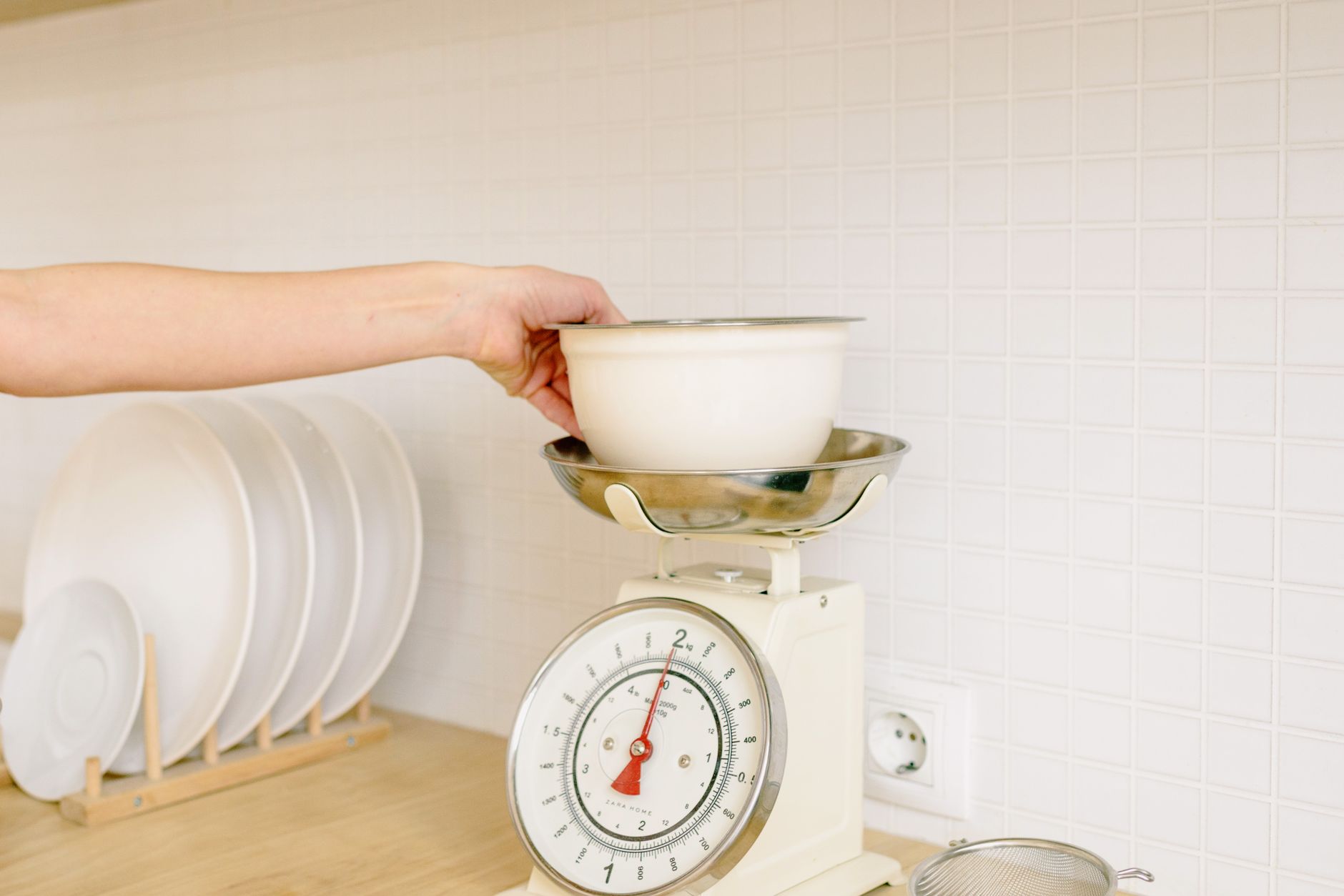
In the modern kitchen, precision is often the difference between a good dish and a truly exceptional one. For bakers, health-conscious individuals, and anyone striving for consistency, a kitchen scale has become an indispensable tool. As technology advances, many scales now offer app connectivity, promising enhanced functionality. But when faced with numerous options, understanding what truly matters amidst the connected features can be a challenge. This guide will help you discern the essential from the extraneous when choosing a kitchen scale with app connectivity in 2026.
⚡ In a Rush? Key Takeaways
- Precision matters most: Look for scales with measurements down to 1 gram or 0.1 ounce.
- App connectivity adds value for tracking, but ensure the app is intuitive and useful.
- Consider scale capacity: Measure ingredients accurately for both small spices and large batches.
- Durability and ease of cleaning are crucial for daily use.
- ✅ Best value: A scale with accurate measurements and a useful, reliable app offers the most culinary advantage.
What Makes a Kitchen Scale Truly ‘Smart’ in 2026?
Smart kitchen scales leverage app connectivity to offer logging, nutritional data, and recipe scaling, enhancing cooking precision beyond basic weighing.
When we talk about a ‘smart’ kitchen scale, we’re primarily referring to its ability to communicate with a smartphone or tablet via Bluetooth or Wi-Fi. This connectivity unlocks a range of features that elevate a simple weighing device into a kitchen assistant. The most common functionalities include logging your measurements for nutritional tracking, storing favourite recipes with precise ingredient weights, and sometimes even adjusting recipe quantities based on desired servings. For individuals meticulously tracking their macronutrients or aiming for unparalleled baking consistency, these features can be highly beneficial. However, it’s crucial to evaluate whether these ‘smart’ additions genuinely enhance your workflow or merely add complexity.
What Does App Connectivity Actually Offer Home Cooks?
App connectivity can log measurements, store recipes, track nutritional data, and offer recipe scaling, making it versatile for detailed culinary tasks.
The value proposition of app connectivity primarily lies in its potential to automate and organise culinary data. For instance, a scale that syncs with a nutrition-tracking app allows you to weigh each ingredient directly into your bowl, and the app automatically logs the caloric and macronutrient content. This eliminates manual entry, a tedious process prone to errors. Furthermore, some apps allow you to create and save your own recipes, recording the exact weight of each component. This ensures that when you recreate a dish, the outcome is consistent, down to the gram. Advanced features might include scaling recipes for more or fewer people, automatically adjusting ingredient quantities based on your target servings. This can be a game-changer for meal prepping or for those who frequently entertain.
Are ‘Smart’ Features Worth the Premium Price?
The price premium for smart features varies significantly; assess if the app’s utility and your specific needs justify the added cost over a high-quality non-connected scale.
It’s a common observation that scales with app connectivity command a higher price point than their simpler counterparts. This premium can range from a modest increase to several times the cost of a basic, high-quality digital scale. For many home cooks, the core function of a scale – accurate measurement – is paramount. A well-calibrated, easy-to-read scale without any connectivity can perform this function exceptionally well. The decision to invest in a smart scale should therefore hinge on a realistic assessment of how often you will use the connected features. If you are deeply invested in meticulous nutritional tracking or are an avid baker who relies on precise ratios for complex recipes, the investment may well be justified. However, if your needs are met by simply weighing ingredients, a non-connected model might offer better value.
How Does Bluetooth Compare to Wi-Fi Connectivity?
Bluetooth offers a direct, short-range connection, ideal for immediate data transfer. Wi-Fi allows for a broader range and can help cloud syncing and remote access.
The type of wireless connectivity employed by a smart kitchen scale can influence its usability. Bluetooth is the most common, offering a reliable, low-power connection directly to your smartphone or tablet when in proximity. This is generally sufficient for weighing ingredients and syncing data immediately after use. Wi-Fi connectivity, while less common in kitchen scales, allows for a broader range and can enable scales to sync data to cloud services or even be accessed remotely. For most home kitchen applications, Bluetooth provides a smooth experience. Wi-Fi might be more relevant for integrated smart kitchen systems where the scale needs to communicate with other devices on your home network without your phone being present. When evaluating, consider the ease of pairing and the stability of the connection.
Essential Features Beyond Connectivity
Accuracy to 1 gram, a clear display, ample capacity, and a durable, easy-to-clean surface are paramount for any effective kitchen scale.
While app connectivity offers intriguing possibilities, the fundamental performance of the scale itself remains the most critical factor. A scale with advanced software is of little use if its measurements are inaccurate or its design is impractical for the demands of a kitchen environment. Prioritising the core weighing capabilities ensures that the device will serve its primary purpose reliably, whether or not you engage with its smart features.
Accuracy and Precision: The Foundation of a Good Scale
Look for scales that measure in increments of 1 gram (0.05 oz) for general cooking and baking, ensuring precision for even small quantities.
The primary function of a kitchen scale is to provide accurate measurements. For the vast majority of culinary tasks, including baking, this means a scale that can measure in increments of 1 gram or, at a minimum, 0.05 ounces. Some scales offer even finer precision, measuring in 0.1-gram increments, which can be useful for highly sensitive tasks like precise spice measurement or brewing coffee with exacting water-to-bean ratios. When considering scales with app connectivity, verify that the advertised accuracy is genuine and not merely a software overlay. Serious Eats and Wirecutter reviews often highlight scales that maintain their accuracy across their weight range, which is a crucial durability indicator.
Display Readability and User Interface
A clear, easy-to-read display, often backlit, and intuitive controls are vital for quick and accurate measurements, even in busy kitchens.
A scale’s display is your immediate window into its performance. It should be large, clear, and easy to read from various angles, especially if it’s positioned in front of you while working. Backlighting is a significant advantage, ensuring visibility in dimly lit kitchens or when working late-night projects. Beyond the display, the scale’s controls should be straightforward; typically, this involves a power button and a unit conversion button. If a scale has a pull-out display, as seen on some OXO models, this can be particularly helpful for larger bowls that might obscure a fixed screen. A well-designed interface minimises frustration and saves time during cooking.
Capacity, Tare Function, and Unit Conversions
Scales should offer a capacity suitable for your needs (e.g., 5-11 lbs), a functional tare button, and easy conversion between grams, ounces, pounds, and milliliters.
Capacity is a practical consideration. For most home kitchens, a scale with a capacity of 5 to 11 pounds (approximately 2 to 5 kilograms) is more than sufficient for typical baking and cooking needs, including weighing large batches of dough or multiple ingredients at once. The tare function is non-negotiable; it allows you to zero out the weight of a container, so you only measure the ingredients themselves. This is fundamental for adding multiple ingredients to the same bowl. Furthermore, the ability to easily convert between different units of measurement – grams, ounces, pounds, and fluid ounces or millilitres for liquids – is essential, especially when following recipes from different regions or disciplines.
Material, Durability, and Ease of Cleaning
Stainless steel or tempered glass surfaces are durable and easy to wipe clean, essential for maintaining hygiene in a food preparation area.
Kitchen scales are exposed to ingredients that can be sticky, oily, or corrosive. Therefore, the materials from which the scale is constructed are important for both longevity and hygiene. Stainless steel platforms are a popular choice, offering a sleek, durable, and easy-to-clean surface. Tempered glass is another excellent option, providing a smooth, non-porous finish. Avoid scales with textured plastic surfaces that can trap food particles and become difficult to sanitise. Many scales are also designed to be water-resistant, which is a significant advantage for cleaning or in situations where spills are likely. Look for scales where the display and controls are well-sealed to prevent moisture ingress.
Evaluating the App Experience
Assess the app’s user-friendliness, reliability, and whether its specific features align with your cooking habits before committing to a connected scale.
Once the hardware basics are covered, the quality of the accompanying app becomes the deciding factor for smart scales. A poorly designed app can render even the most advanced scale frustrating to use, while a well-crafted one can genuinely enhance your culinary endeavours. It is worth exploring app reviews or manufacturer websites to get a feel for the software before making a purchase.
User Interface and Navigation
A good app should be intuitive to navigate, with clear labelling and a logical flow that makes logging and tracking straightforward.
The best apps are those that feel like an extension of the scale’s functionality, not an afterthought. When downloading a companion app, look for a clean design and straightforward navigation. Can you easily find the unit conversion settings? Is starting and stopping a measurement log simple? Are recipe functions clearly laid out? If you find yourself struggling to understand how to perform basic tasks within the app, it’s unlikely to become a valuable tool. User feedback in app stores can offer insights into common usability issues.
Reliability and Syncing Performance
Consistent, error-free syncing between the scale and the app is critical for data integrity and reliable tracking.
A smart scale’s dependability is directly tied to how reliably it syncs data. If the connection drops frequently or data is lost, the ‘smart’ aspect becomes a liability rather than an asset. Check user reviews specifically for comments on syncing issues. Some scales might require you to manually initiate a sync, while others do so automatically in the background. For nutritional tracking, this consistency is paramount. You don’t want to be painstakingly weighing ingredients only to have that data disappear when the app fails to sync.
Nutrition Database and Recipe Integration
A complete, accurate food database and flexible recipe creation tools are essential for effective nutritional tracking and meal planning.
For users focused on nutrition, the scope and accuracy of the app’s food database are paramount. Does it include a wide variety of common foods, branded products, and restaurant items? Can you easily search for ingredients? For recipes, the ability to input custom ingredients and their weights, and then have the app calculate total nutrition for the entire dish and per serving, is invaluable. Some apps even allow you to scan barcodes of packaged foods. If your primary goal is precise nutritional monitoring, investigate these specific features thoroughly.
Customisation and Export Options
The ability to customise units, goals, and export data makes the scale’s information more versatile and integrated with other health platforms.
Beyond basic tracking, consider the customisation options an app provides. Can you set personal dietary goals? Can you adjust the units of measurement within the app to match your preferences? Crucially, does the app allow you to export your data? This is vital if you use other health or fitness applications that might not directly integrate with your scale’s ecosystem. Being able to export your logged data as a CSV file, for example, provides flexibility and ensures long-term access to your information. It’s a sign of a well-thought-out application that considers the user’s broader digital health landscape.
Comparing Top Smart Kitchen Scales in 2026
Different brands offer unique blends of accuracy, connectivity, and app features; understanding these differences is key to finding the right fit.
The market for smart kitchen scales is evolving, with several reputable brands offering compelling options. While specific models may change year to year, the underlying principles of what makes them effective remain consistent. Serious Eats and Wirecutter often feature scales that balance core functionality with thoughtful smart additions. When looking at these options, consider how their advertised features align with the demands of your personal cooking style and nutritional goals.
When to Opt for Simplicity: The Case for Non-Connected Scales
For many home cooks, a high-quality, accurate scale without app connectivity offers superior value and performance for essential weighing tasks.
It is important to reiterate that not every kitchen requires a smart scale. If your primary concern is weighing ingredients for recipes, portioning meals accurately, or ensuring consistency in your baking without needing to log data, a dedicated, high-quality non-connected scale might be the more practical and economical choice. Brands like OXO Good Grips, with models like their 11-Pound Stainless Steel Scale, consistently receive praise for their accuracy, durable design, and user-friendly features like the pull-out display. These scales perform their core function exceptionally well, often at a lower price point, and without the potential complications of app-based technology. Many users find that the simplicity and reliability of a well-made traditional scale perfectly meet their needs.
Top Contenders for Connected Kitchen Weighing
Look for scales from brands known for appliance quality that offer integrated, reliable apps with robust features for nutrition and recipe management.
Brands that have successfully integrated smart technology into kitchen appliances often excel in this category. Consider scales that offer a well-established app with a complete food database and smooth syncing. For example, some models from GreaterGoods or Etekcity have received positive reviews for their balance of accuracy and app functionality. When evaluating these, check for mentions of regular app updates, responsiveness to user feedback, and features tailored to specific dietary needs, such as keto or vegan tracking. The best smart scales enhance your kitchen workflow, rather than complicating it, making the process of cooking and nutrition management more streamlined and informative.
Making the Final Choice
Align your chosen scale’s features with your primary culinary goals: accuracy first, then assess app utility for your specific tracking or recipe needs.
Selecting the right kitchen scale, whether smart or traditional, is about aligning the device’s capabilities with your personal culinary aspirations. Begin with the non-negotiables: accuracy, a clear display, appropriate capacity, and ease of cleaning. These are the foundations of any reliable kitchen tool. Once these are met, then explore the dimensions of app connectivity. For those who value detailed nutritional tracking or automated recipe scaling, a smart scale can be a powerful ally. However, it’s essential to research the specific app experience, ensuring it is reliable, user-friendly, and genuinely adds value to your kitchen routine. By prioritising accuracy and then thoughtfully considering the ‘smart’ features that fit your lifestyle, you can confidently choose a scale that will serve you well for years to come.
Frequently Asked Questions About Smart Kitchen Scales
Answers to common queries regarding kitchen scale accuracy, app functionality, and maintenance for connected models.
How accurate should a kitchen scale be?
A good kitchen scale should measure accurately to 1 gram or 0.05 ounces for most everyday cooking and baking needs. For more specialised tasks, such as precise coffee brewing or precise spice measurement, scales with 0.1-gram accuracy are preferable.
What is the purpose of a tare function on a kitchen scale?
The tare function allows you to zero out the weight of a container or