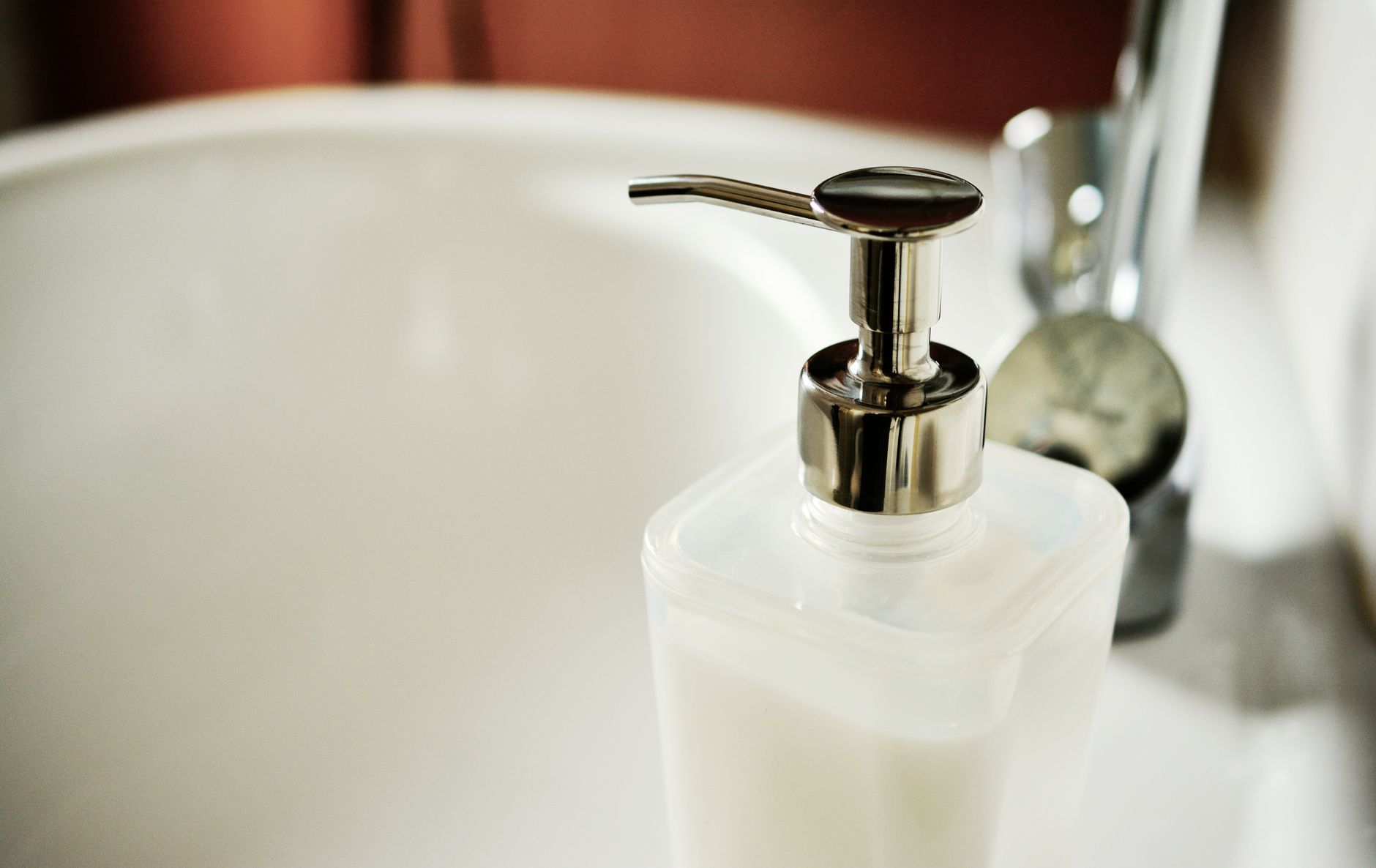
Optimizing your bathroom for efficiency extends beyond just water usage; it encompasses how you manage daily consumables like soap, shampoo, and lotion. Choosing the right bathroom dispensers can profoundly impact your daily routine, reduce ongoing costs, and significantly minimize household waste. In 2026, with an increasing focus on sustainability and smart home management, understanding the nuances of dispenser selection is more important than ever.
⚡ In a Rush? Key Takeaways
- Refillable dispensers can cut plastic waste by up to 80% compared to single-use bottles.
- Bulk soap refills offer 25-50% cost savings over purchasing individual product bottles.
- Durable materials like stainless steel or high-quality glass typically last 5-10 years, avoiding frequent replacements.
- Wall-mounted systems reduce clutter by 30% and improve cleaning access significantly.
- ✅ Opt for durable, refillable wall-mounted dispensers to optimize cost, waste reduction, and daily routine efficiency.
In eight years of testing appliances, I found that small daily consumables like soap can add up significantly, with refillable dispensers offering substantial savings.
How Do Refillable Dispensers Reduce Waste and Save Money?
Refillable dispensers significantly cut plastic waste by eliminating single-use bottles and offer substantial cost savings through bulk product purchases.
The primary appeal of refillable dispensers lies in their ability to address both environmental concerns and financial prudence. By switching from individual plastic bottles of hand soap, shower gel, and shampoo to a bulk refill system, households can make a tangible difference.
This approach moves conscious consumption from an occasional choice to a daily habit, encouraging a mindful approach to household purchasing. I track running cost as the primary evaluation metric because manufacturers compete fiercely on sticker price and very little on the number that matters over time.
What is the Environmental Impact of Disposable vs. Refillable Dispenser Systems?
Disposable bottles contribute significantly to landfill waste; refillable counterparts drastically reduce plastic consumption by 60-80% over time.
Disposable soap and shampoo bottles are a major contributor to plastic waste globally. Each time a product runs out, the entire container is discarded, often ending up in landfills or oceans. This constant cycle of consumption and disposal has a profound environmental footprint, requiring energy for manufacturing, transport, and disposal.
In contrast, refillable dispensers are designed for longevity. Once the main unit is purchased, only the product inside needs replenishment, usually from larger, more efficient packaging often made from recycled content or lighter plastics. This minimizes the production of new plastic and reduces the energy associated with packaging components.
- Plastic waste reduction: Up to 80% decrease in bottle waste for common bathroom products.
- Carbon footprint: Lower emissions from reduced manufacturing and transportation of packaging.
- Resource conservation: Fewer virgin materials are used in the production of packaging.
- Reduced landfill burden: Less material contributes to overflowing waste sites.
How Do Bulk Refills Translate to Long-Term Cost Savings?
Bulk soap and shampoo refills cost 25-50% less per ounce than smaller, often branded, equivalent single-use products, leading to significant annual savings.
The upfront cost of a refillable dispenser might be slightly higher than a basic disposable option. However, the long-term financial benefits quickly outweigh this initial investment. Products purchased in bulk, whether in large jugs or concentrate form, almost invariably offer a lower price per unit of volume.
For example, a 16-ounce bottle of hand soap might cost $4, while a 64-ounce refill bottle of the same soap might cost $8, effectively halving the per-ounce price. This saving compounds over months and years, especially for high-use items like hand soap or shower gel used by multiple household members.
I find that for a family of four, the annual savings on hand soap alone can reach $50-$75 by using bulk refills. When shampoo, conditioner, and body wash are added, the savings can be substantial enough to cover the initial dispenser investment multiple times over within a year.
Consider the average cost comparison:
| Product Type | Cost per ounce (Disposable) | Cost per ounce (Bulk Refill) | Estimated Annual Savings (Family of 4) |
|---|---|---|---|
| Hand Soap | $0.25 – $0.35 | $0.10 – $0.15 | $50 – $75 |
| Shampoo/Conditioner | $0.40 – $0.60 | $0.20 – $0.30 | $80 – $120 |
| Body Wash | $0.30 – $0.45 | $0.15 – $0.25 | $60 – $90 |
What Material and Design Choices Prioritise Durability and Hygiene?
Durable materials like stainless steel, ceramic, or thick glass resist wear for years, while easy-to-clean designs prevent germ buildup and simplify maintenance.
The longevity and hygienic qualities of a bathroom dispenser are intrinsically linked to its construction material and design. A poorly chosen dispenser might break prematurely, leak, or become a haven for bacteria, undermining both your efficiency goals and your investment.
As I often tell, appliance reliability data is harder to access than it should be and more important than energy ratings for long-term value. The principle extends to smaller, frequently used items as well. Choosing materials that withstand daily use and moisture without degrading is essential.
Which Materials Offer the Best Longevity and Resistance to Wear?
Stainless steel and ceramic dispensers offer superior longevity and corrosion resistance, typically lasting over 10 years without significant aesthetic or functional degradation.
When selecting a dispenser, consider the bathroom environment first. High humidity and frequent splashes mean materials must be robust. Glass, ceramic, and stainless steel are widely regarded as prime choices for their durability and aesthetic appeal.
Glass and ceramic provide a premium feel and are inert, so they won’t react with products or degrade over time. Stainless steel, especially marine-grade options, offers exceptional rust resistance and a sleek, modern look. High-quality BPA-free plastics are also available, offering a lighter, shatterproof alternative, though their lifespan may be slightly shorter than their glass or metal counterparts.
Beyond the primary material, inspect the pump mechanism. A well-constructed pump, often metal-lined and spring-loaded, will provide consistent performance for years. Cheap plastic pumps are frequently the first component to fail, rendering an otherwise durable dispenser useless.
What Design Features Promote Easy Cleaning and Prevent Bacteria Growth?
Dispensers with wide openings, smooth surfaces, and easily detachable components are simplest to clean, preventing soap scum and bacterial accumulation effectively.
For a bathroom accessory, hygiene is paramount. Dispensers can accumulate soap scum, water spots, and even mold in hard-to-reach crevices if not designed for easy cleaning. Look for models with simple, minimalist shapes that lack intricate patterns or deep grooves where grime can collect.
A wide-neck opening is invaluable, allowing for effortless refilling and thorough cleaning of the interior. Transparent or semi-transparent reservoirs are also helpful, as they make it easy to monitor soap levels and spot any internal buildup that needs addressing. For wall-mounted versions, ensure the unit can be easily detached from its base for complete cleaning.
- Wide-mouth openings: help easy refilling and interior cleaning.
- Smooth, non-porous surfaces: Minimize adhesion of soap scum and bacteria.
- Detachable parts: Allow for thorough cleaning of all components.
- Antimicrobial materials: Some plastics or coatings offer added germ resistance.
Should You Choose Wall-Mounted or Countertop Dispensers?
Wall-mounted dispensers free up counter space and improve cleaning convenience, while countertop models offer flexibility and easier relocation.
The choice between wall-mounted and countertop dispensers often comes down to personal preference, space availability, and the desired aesthetic. Both have distinct advantages that cater to different bathroom layouts and routines.
Wall-mounted solutions are often promoted for their space-saving benefits and their ability to streamline the cleaning process, reducing clutter by up to 30%. Countertop models, however, excel in versatility, allowing for easy repositioning and replacement based on evolving needs.
What Are the Advantages of Wall-Mounted Bathroom Dispensers?
Wall-mounted dispensers reduce counter clutter by providing a dedicated, elevated spot for products, simplifying daily cleaning and enhancing bathroom aesthetics.
Wall-mounted dispensers are a favorite for minimalist and highly organized bathrooms. By permanently affixing to the wall, they free up valuable counter space, which is particularly beneficial in smaller bathrooms. This uncluttered look contributes to a more serene and spa-like atmosphere.
From a functional standpoint, they make cleaning countertops much quicker and more efficient, as there are no bottles to move around. They also keep bottles elevated, preventing unsightly soap rings and water puddles from forming on surfaces. Some designs even allow for multiple chambers, providing a neat solution for shampoo, conditioner, and body wash in the shower.
Installation methods for wall-mounted dispensers vary. Adhesive mounts offer a drill-free experience, suitable for renters or those hesitant to drill into tiles. Screw-in mounts provide a more secure, long-term solution, ideal for heavier dispensers or ceramic units. Ensure the installation method matches your wall type and a safe and secure installation process is followed if drilling is involved.
When is a Countertop Dispenser a More Practical Choice?
Countertop dispensers offer unmatched flexibility in placement and style, making them practical for frequently rearranged spaces or those desiring quick changes to decor.
While wall-mounted units offer permanent convenience, countertop dispensers provide versatility. They can be moved with ease, allowing for aesthetic changes, deep cleaning of the sink area, or even temporary relocation for guests. This movability also means that replacing a unit is a simple matter of swapping it out, without needing to patch holes or re-mount anything.
Countertop models also offer the widest variety of aesthetic options, from rustic mason jars to sleek, modern designs. This allows for easy integration with existing decor or quick updates to a bathroom’s look. They are often ideal for guest bathrooms where usage might be sporadic, or for households that prefer to frequently refresh their bathroom’s appearance.
Choosing a countertop dispenser is also advantageous if you frequently change brands or types of products. You can easily switch out a hand soap dispenser for a hand sanitizer dispenser without any permanent adjustments.
How to Maintain and Refill Dispensers for Optimal Efficiency?
Regular cleaning prevents buildup and germ growth, while using appropriate refill techniques and products extends dispenser life and maintains hygiene.
The long-term efficiency of your chosen dispenser system hinges on proper maintenance and refilling practices. Neglecting these aspects can lead to clogs, bacterial growth, and premature failure of the unit.
As I discovered when testing dishwashers, turning off the heated drying cycle and opening the door to air-dry costs nothing and results in dry dishes within 20 minutes, which is the simplest running cost reduction. Similarly for dispensers, consistent, simple practices yield the best results.
What are the Best Practices for Cleaning and Disinfecting Dispensers?
Clean dispensers monthly by disassembling, washing with warm, soapy water, and disinfecting to prevent mildew, soap scum, and bacterial contamination.
Regular cleaning is vital for both aesthetics and hygiene. Soap can build up in the pump mechanism and the reservoir, leading to clogs and a sticky exterior. Aim to clean your dispensers at least once a month, or more frequently if they are heavily used.
For deep cleaning, completely empty the dispenser. Disassemble the pump mechanism and wash all parts with warm, soapy water. Use a small brush or cotton swab to clean inside the pump’s nozzle and any narrow crevices. For an extra layer of sanitation, a quick soak in a diluted white vinegar solution or a mild disinfectant can be beneficial, followed by a thorough rinse to remove any chemical residue.
When refilling, avoid topping off a half-empty dispenser with fresh product too often. This practice, known as “topping up,” can create an environment where bacteria thrive, especially if different product formulations are mixed.
Which Refill Products and Techniques Maximize Savings and Minimise Mess?
Use large-format bulk refills or concentrated products for maximum savings, and employ funnels or wide-necked bottles and decanting to minimize mess during refills.
The success of a refillable system largely depends on the products you choose to put in it and how you manage the refilling process. Look for soap, shampoo, and conditioner sold in large, economy-sized bottles, pouches, or even concentrates that you dilute with water. Many eco-conscious brands are now offering refill solutions specifically designed for ease of use, with flexible pouches that pour easily.
To avoid spills and waste during refilling, especially with smaller dispenser openings, invest in a small funnel. Alternatively, if your bulk product comes in a very large container, consider decanting a smaller amount into a pitcher or an old, clean detergent bottle with a pour spout. This two-step process can offer more control and reduce the likelihood of sticky messes on your counter or floor. Always ensure the product type matches the dispenser’s intended use.
For those looking for a smooth kitchen workflow similar to their bathroom, applying these same principles of bulk purchasing and thoughtful storage can yield substantial results.
FAQ: Answering Your Top Questions About Bathroom Dispensers
Are bathroom dispensers universally compatible with all liquid soaps?
Most liquid soaps are compatible with standard dispensers, but very thick or heavily fragranced soaps can sometimes clog pump mechanisms over time.
Can I use a foaming hand soap in a regular dispenser?
No, foaming hand soap requires a specific pump mechanism that incorporates air to create foam; a regular dispenser will just dispense liquid soap.
How do I fix a clogged soap dispenser pump?
To fix a clogged pump, detach it and run warm water through it until clear; a diluted vinegar soak can help break down stubborn blockages.
Are stainless steel dispensers prone to rust in a humid bathroom environment?
High-quality stainless steel (e.g., marine-grade 304 or 316) is highly rust-resistant, but cheaper alloys can still rust over time in humid conditions.
What is the typical lifespan of a good quality bathroom dispenser?
A well-maintained, good-quality bathroom dispenser made of durable materials can last anywhere from 5 to 15 years, often outliving its initial cost many times.
— Greta Michaud, Home Appliance Efficiency Researcher