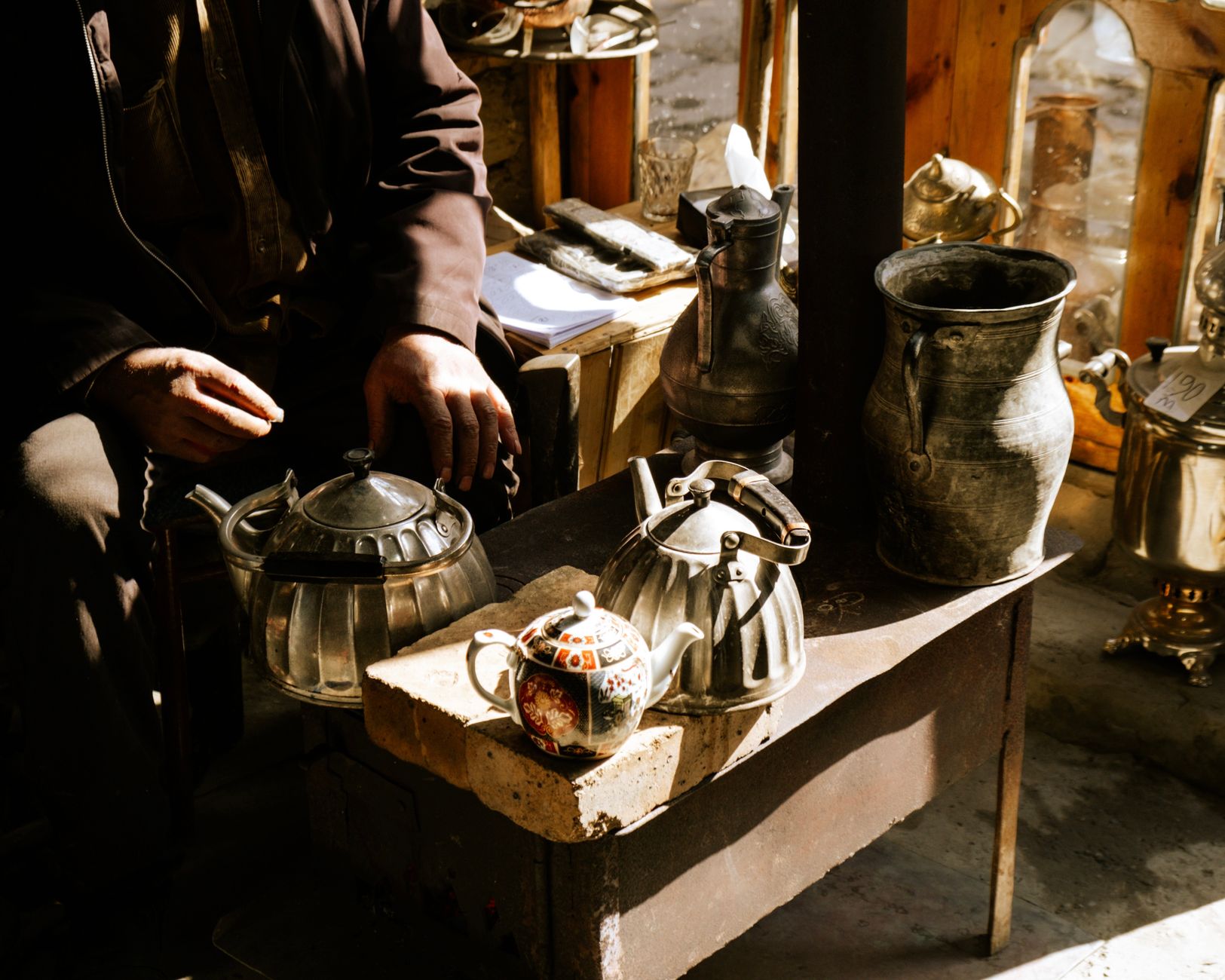
A copper tea kettle is an investment piece that provides exceptional heat conductivity, though it requires specific care to prevent oxidation and maintain its luster. While many prioritize the classic aesthetic, the true value lies in how efficiently the metal transfers heat from your stove to your water. In my years of testing kitchen hardware, I have found that copper remains unmatched for its thermal properties, provided you are willing to manage the upkeep.
⚡ In a Rush? Key Takeaways
- Copper kettles conduct heat 20 times faster than stainless steel units.
- Handcrafted models often range from $150 to $400 depending on construction.
- Lining with tin or stainless steel is required to prevent copper leaching.
- Daily polishing is necessary to keep exterior copper free of dark tarnish.
- For most kitchens, a high-quality copper model is a specialty aesthetic choice.
Why should you consider a copper tea kettle for your home?
Copper tea kettles provide superior thermal efficiency and a classic design that acts as a functional centerpiece in traditional kitchens.
Is copper actually more efficient for boiling water?
Copper is one of the most conductive metals available and transfers heat significantly faster than stainless steel or glass options.
When you place a solid copper kettle on a flame, the heat distributes almost instantly across the base and sides. This rapid transfer means you spend less time waiting for the first bubble, which is a subtle but noticeable convenience.
If you are interested in overall kitchen efficiency, consider how your appliances perform under load. Using a highly conductive kettle can slightly lower the time your stove burner stays on, saving a small fraction of energy over hundreds of uses.
- Superior thermal conductivity vs. stainless steel
- Consistent heat distribution prevents localized hot spots
- Responds rapidly to stove temperature adjustments
- Faster time-to-boil for individual morning tea sessions
Does the aesthetic outweigh the maintenance requirements?
The beauty of copper requires consistent polishing to avoid tarnish and oxidation, which is a major factor for busy households.
Owning a copper kettle is a commitment to a specific style of kitchen management. Copper naturally reacts with oxygen, developing a darkened patina that some find charming but others view as neglect.
If you prefer low-maintenance systems, you might want to review our guide on efficient home cleaning systems. A copper kettle requires dedicated time with a mild acidic cleaner or specialized paste to keep the surface bright.
What are the health and safety concerns with copper kettles?
Modern copper kettles must be lined with food-safe tin or stainless steel to prevent copper from leaching into your boiling water.
Why is a lining mandatory for food-grade kettles?
Unlined copper can cause copper toxicity if acidic water or high heat causes the metal to leach into the contents of the kettle.
Always verify that your chosen kettle includes a professional-grade lining. Tin is traditional, though it eventually requires re-lining, while stainless steel offers a more durable, long-term solution that rarely needs service.
In the market, you will find various “pure” copper items that are meant for decorative display. Never use a decorative-only kettle to prepare drinking water, as these lack the essential food-safe barrier.
How can you identify a safe and authentic copper kettle?
Authentic food-grade copper will have a visible silver-toned interior lining made of tin or stainless steel and high-quality rivets.
Check the craftsmanship of the handles and seams, as these are often where cheaper imitations fail. Authentic handcrafted pieces often use copper rivets, which are a hallmark of better manufacturing quality.
If you are looking for long-term investments, consider how other kitchen workflow tools compare in terms of durability. A well-constructed copper kettle should last for decades if cared for properly.
How do you maintain a copper tea kettle effectively?
Regular maintenance involves gentle cleaning after every use and occasional deep polishing to preserve the metal finish and surface.
What is the proper way to clean the exterior?
Avoid abrasive scrubbers and harsh chemicals, opting instead for gentle copper-specific polishes or natural vinegar-based solutions.
Never place your copper kettle in the dishwasher, as the high heat and detergent will strip the finish. Wipe the exterior with a soft cloth after each use to prevent water spots from etching the surface.
How do you address internal scale buildup?
Internal mineral deposits from hard water are safely removed by boiling a mixture of white vinegar and water, then rinsing thoroughly.
Hard water is a common issue for many households, which can lead to limescale inside the kettle. Regular descaling ensures your water remains pure and the heat transfer stays efficient.
Frequently Asked Questions
-
Can I use a copper tea kettle on an induction stove?
Most solid copper kettles are not induction-compatible unless they feature a specialized steel plate bonded to the base.
-
How long should a quality copper kettle last?
With proper care and occasional re-lining, a solid copper tea kettle can easily last for several decades of daily household use.
-
Are there electric copper kettles available?
While some electric kettles feature copper-toned finishes, true solid copper construction is rare due to complex electrical safety.
These are the most common inquiries regarding the purchase and daily operation of copper tea kettles for the modern home user.