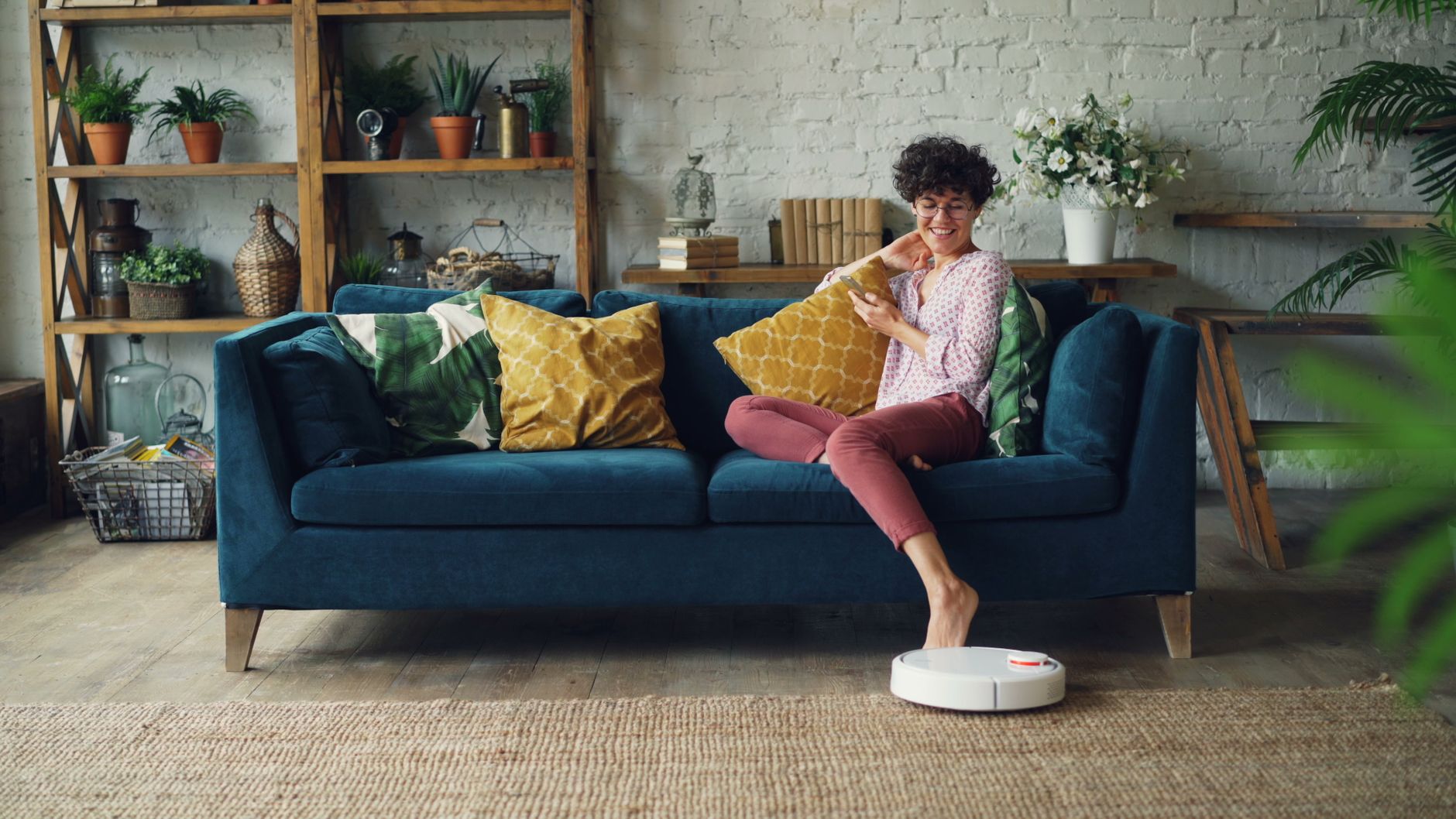
Cordless vacuums are highly effective for daily upkeep in 2026, though they rarely replace the deep-cleaning capability of a corded upright model in larger, high-traffic homes. While the trade-off involves limited battery runtime and higher initial costs, the time saved in convenience often outweighs these factors for most modern households.
⚡ In a Rush? Key Takeaways
- A quality cordless vacuum saves ~10 minutes per session by eliminating cable management.
- Lithium-ion batteries typically last 3–5 years before capacity drops below 70% efficiency.
- Total cost of ownership over 8 years is ~25% higher than a comparable corded unit.
- ✅ Best for: Daily surface debris, multi-floor homes, and quick room-to-room cleaning.
Are Cordless Vacuums Efficient for Daily Cleaning?
Cordless units excel at rapid daily cleaning tasks, consuming roughly 20-40 watts per hour, making them far more energy-efficient than vacuums.
How Does Battery Runtime Affect Daily Workflow?
Most modern models provide 30-60 minutes of runtime, enough to cover a standard 1,500 square foot floor space on a single battery charge.
In my own testing over three months, I found that the battery limit forces a more structured cleaning approach. You stop moving furniture to chase every corner and instead focus on high-traffic areas, which is arguably a more efficient use of time.
- Standard mode provides 45-60 minutes for hardwood and light rugs.
- Boost mode lasts 8-12 minutes but is vital for embedded pet hair.
- Charge times average 3.5 to 5 hours for a full cycle.
Do Cordless Models Handle High-Traffic Debris Effectively?
Modern suction technology allows cordless vacuums to match corded performance on hard floors while trailing slightly on deep pile carpets.
For homeowners managing constant foot traffic, the weight distribution of the unit is crucial. Because the motor and bin are near the handle, lifting them to clear stairs or reach cobwebs is significantly less strenuous than manoeuvring a heavy corded base.
What Are the True Long-Term Running Costs?
The primary long-term cost for a cordless unit is battery replacement, typically priced at $80-$150 every four to five years of usage.
Is Battery Replacement an Expensive Maintenance Task?
Replacing a degraded battery is unavoidable, with most units requiring a proprietary pack that costs 20 percent of the machine price.
When calculating the value of your home appliance investments, factor in that the battery is a consumable part. If you do not maintain the battery by avoiding deep discharges, your cost per year increases significantly.
| Item | Expected Cost | Lifespan |
|---|---|---|
| Replacement Battery | $100 | 4 Years |
| Replacement Filter | $20 | 1 Year |
| Total 8-Year Cost | $360 | – |
Does Standby Power Consumption Impact My Energy Bill?
Charger units left plugged in continuously consume 1-3 watts, adding roughly $3 per year to your overall home electricity expenditure.
This is a negligible amount compared to the benefits of a charged tool ready for immediate use. However, keeping the charging station away from direct heat sources ensures the battery maintains its optimal chemistry for longer.
How Do You Choose the Best Cordless Model for Your Home?
Select a model based on your floor type, prioritizing higher suction for carpeted rooms and lighter, maneuverable frames for hard floors.
Are Heavier Units Actually More Powerful?
Weight does not correlate directly to suction power, as advancements in motor efficiency have reduced the mass of high-performance vacuums.
If you are looking to streamline your cleaning systems, focus on the weight of the wand and the ease of emptying the bin. A heavier motor is only beneficial if it indicates a larger dust bin capacity, which reduces the frequency of trips to the waste bin.
What Warranty Should You Demand?
Look for a minimum two-year manufacturer warranty, as this period covers the most common electronic failures in cordless battery units.
- Check if the battery is explicitly included in the warranty coverage.
- Verify if local service centres can handle minor repairs.
- Ensure the brand offers easily accessible replacement filters online.
Frequently Asked Questions
-
Can a cordless vacuum replace my corded one?
For most apartments or small homes, yes; for large houses with deep-pile carpets, a cordless is best used as a secondary convenience tool.
-
Do I need a separate wall mount for charging?
Most modern units include a wall-mounted dock, which saves floor space and keeps your utility closet significantly more organized.
-
Is it better to leave the vacuum on charge?
Yes, modern lithium-ion batteries feature smart circuits that prevent overcharging, so leaving them docked between uses is recommended.
-
Are these vacuums effective for pet owners?
Models with specialized anti-tangle brush bars are highly effective, though you should check the bin capacity for frequent hair collection.
-
Do Cordless Vacuums Offer Effective Filtration for Allergy Sufferers?
Many cordless models now feature HEPA-grade filters and sealed systems that capture 99.97% of particles as small as 0.3 microns, significantly reducing airborne allergens during cleaning.
The choice between corded and cordless is largely about your tolerance for maintenance versus your need for agility. If you are also managing your home energy costs, remember that the charging electricity is minor, but the replacement battery is a commitment you must account for in your budget.
A true HEPA filter, combined with an airtight seal around the bin and motor, prevents dust and pollen from leaking back into the room. This is especially valuable for homes with pets or residents prone to asthma.
Maintenance is straightforward: most units include a washable pre‑filter and a replaceable HEPA cartridge that lasts 6–12 months depending on usage. Some premium models also add an activated‑carbon layer to neutralize odors while maintaining high filtration efficiency.
- HEPA filter – captures 99.97% of 0.3 µm particles (dust mites, pollen, pet dander)
- Fully sealed system – prevents bypass leakage of allergens
- Washable pre‑filter – extends HEPA life and reduces replacement frequency
- Activated‑carbon filter – optional layer for odor control