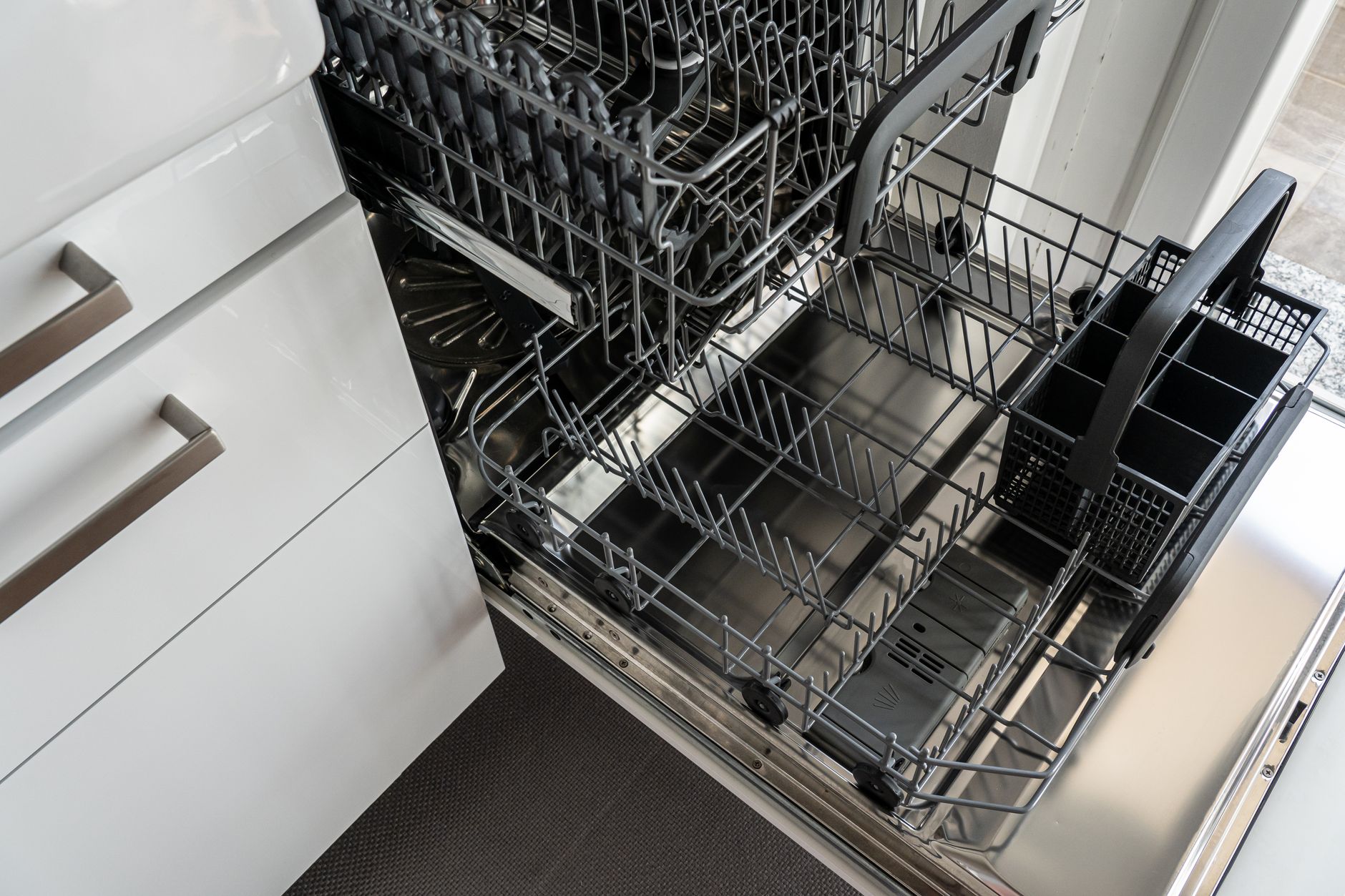
A dishwasher job description defines a critical back-of-house role centered on high-volume sanitation, equipment maintenance, and ensuring a smooth flow of clean service ware for kitchen and dining operations. While the role is often perceived as entry-level, it is the operational heartbeat of any busy restaurant, directly impacting both food safety and service speed.
⚡ In a Rush? Key Takeaways
- Commercial dishwashers typically cycle at 150-180°F to ensure full sanitization.
- A standard shift involves handling 400-600 individual pieces of service ware per hour.
- Proper chemical balancing saves 10-15% in annual supply costs by reducing waste.
- ✅ Best practice is prioritizing heat-sensitive cleaning over abrasive manual scrubbing.
What Are the Core Responsibilities in a Professional Dishwasher Job Description?
Core duties involve sanitizing service ware, maintaining machine temperature logs, organizing kitchen storage, and supporting prep stations.
How Do Dishwashers Maintain Food Safety Standards?
Dishwashers ensure safety by monitoring water temperature, chemical concentrations, and cross-contamination prevention throughout the shift.
Food safety is the primary mandate for anyone in this position. The dishwasher must ensure that every plate, utensil, and piece of equipment is not just visually clean but sanitized to health department codes. This involves constant vigilance regarding water temperatures and chemical sanitizer levels.
- Monitoring internal water temperatures to exceed 150°F (65°C) for wash cycles.
- Testing chemical concentrations using provided pH and sanitizer test strips every four hours.
- Segregating potentially contaminated items from ready-to-use clean service ware.
- Cleaning floor drains to prevent bacterial growth and pest attraction in the dish pit.
What Is the Expected Pace and Volume for This Role?
Professional dishwashers process 400 to 600 pieces of cutlery, plates, and pots hourly during peak restaurant service dining periods.
Efficiency is measured by the speed at which clean items return to the line. A backlog in the dish pit stops the kitchen workflow, which can result in long wait times for guests. Success requires a rhythmic approach to scraping, racking, and sanitizing.
| Metric | Target Efficiency |
|---|---|
| Racks per Hour | 30-40 racks |
| Wait Time for Cutlery | Under 5 minutes |
| Chemical Usage | 0.5 ounces per cycle |
How Does Machine Maintenance Factor Into the Daily Routine?
Daily machine maintenance includes clearing spray arm nozzles, emptying grease traps, and flushing debris filters after every cycle.
Commercial dishwashers are complex machines that require daily care to function. If the sprayer arms are clogged, the dishes do not get cleaned properly, which forces the kitchen to work twice as hard to re-wash items. This is a common point of failure for high-performance kitchen appliances.
- Removing and rinsing spray arms for mineral or food debris buildup.
- Scrubbing the interior walls to remove lime scale and soap scum.
- Ensuring the overflow drain is free of trapped lettuce or vegetable waste.
- Reporting mechanical leaks or temperature sensor issues to the head chef immediately.
What Skills and Physical Requirements Are Standard?
Expect requirements including standing for 8 hours, lifting 40-pound crates, and working in high-humidity, high-heat kitchen conditions.
Why Is Physical Stamina Essential for Dishwashing?
The role requires continuous standing, bending, and lifting heavy crates of wet ceramic dishes for the duration of a full shift.
The physical demands of a dish pit are significant. Employees must be comfortable working in environments with high humidity and temperatures that often exceed room ambient heat. Those who understand home organisation and workflow often find that ergonomic racking techniques make the shift much easier.
- Lifting and carrying bus tubs weighing up to 40 pounds.
- Continuous standing on anti-fatigue mats to reduce joint strain.
- Managing rapid temperature transitions between the hot dish pit and cold storage.
- Coordinating movements in confined, fast-paced kitchen traffic areas.
What Software or Reporting Knowledge Is Necessary?
While rarely complex, modern kitchens may require using digital tablets to log temperatures, sanitation status, and shift inventory.
As commercial kitchens modernize, the documentation aspect of the job has moved from paper logs to digital entries. A professional dishwasher must be comfortable with basic touch-screen interfaces to record chemical compliance data. This ensures that the establishment is prepared for unexpected health inspections.
What Are the Typical Hours, Shifts, and Compensation for a Dishwasher?
Dishwashers usually work rotating shifts that cover breakfast, lunch, and dinner services, often including evenings, weekends, and holidays, with hourly pay varying by region and establishment type.
Most restaurants schedule dishwashers in blocks that align with peak service periods, meaning a shift might start early morning for breakfast prep, run through lunch, and finish after dinner cleanup. Part‑time positions are common, but full‑time roles often require 40 hours per week with overtime during busy seasons.
According to industry surveys, the average hourly wage for a dishwasher in the United States ranges from $12 to $18, with higher rates in upscale hotels or metropolitan areas. Some employers offer shift differentials for night or weekend work, and benefits such as meals, uniform allowances, or paid time off may be included.
Frequently Asked Questions About the Dishwasher Role
-
Is prior experience required for a dishwasher job?
Experience is rarely required, as most kitchens provide on-the-job training on machine operation, chemical safety, and kitchen pace.
-
What personal protective equipment is standard?
Staff typically wear waterproof aprons, non-slip rubber boots, and heat-resistant gloves to protect against hot water and heavy items.
-
How do dishwashers contribute to cost control?
They prevent breakage of expensive glassware, minimize chemical waste through proper dosing, and prevent equipment repair costs.
-
What is the typical career path after this role?
Many dishwashers transition into prep cook or line cook positions as they gain familiarity with kitchen operations and timing.
Final Thoughts on the Dishwasher Role
The dishwasher role serves as the foundation of professional food service, demanding high physical stamina and rigid adherence to safety.
Understanding a dishwasher job description reveals a role far more technical than it appears. It is a position defined by the mechanics of sanitation and the rhythm of kitchen throughput. For those who prioritize efficiency, this role provides an unmatched look at how professional culinary systems function behind the scenes.