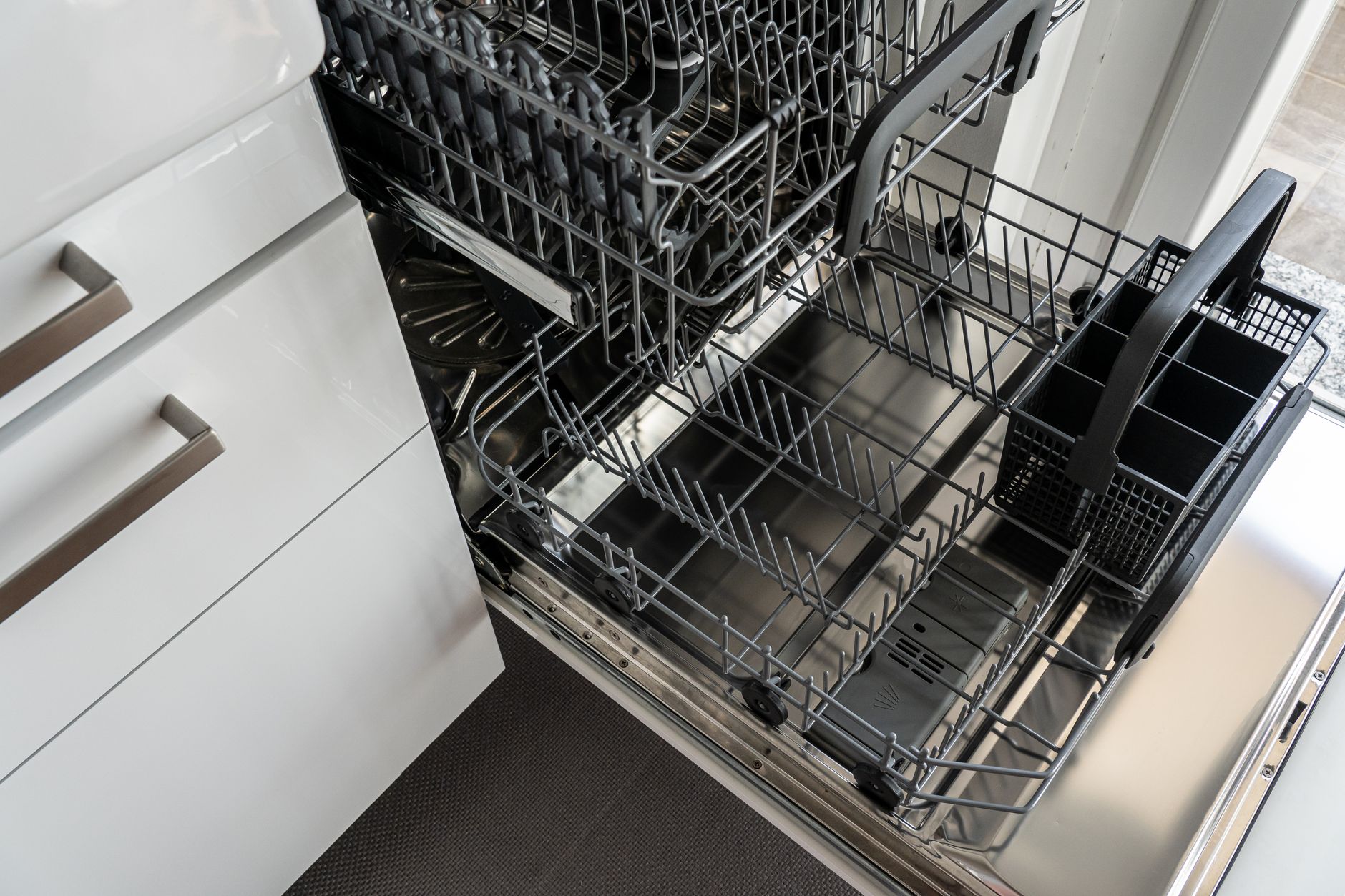
A modern, full-load dishwasher is significantly more efficient than hand-washing, using roughly 3 to 5 gallons of water per cycle compared to the 15 to 27 gallons required for a sink-full of dishes. While the upfront investment is higher, the recurring savings in water and energy—and the value of your time—make a modern unit a clear winner for most households.
⚡ In a Rush? Key Takeaways
- Modern dishwashers use 3–5 gallons per cycle, vs. 20+ gallons for hand-washing.
- Turning off the heated drying cycle saves approximately 0.5 kWh per wash.
- Full loads on ‘Eco’ mode typically cost under $0.20 per cycle in electricity.
- Hard water requires regular salt use to prevent a 15–20% efficiency drop.
- ✅ Best strategy: Only run full loads with the air-dry setting enabled.
How Do Dishwashers Compare to Hand-Washing on Costs?
Dishwashers cost $0.15–$0.30 per cycle to run while hand-washing uses significantly more hot water, adding to your annual utility costs.
Is the water consumption really that different?
Standard dishwashers use 3–5 gallons per load, whereas hand-washing the same amount of plates requires 20–27 gallons of water.
The disparity in water use is largely due to the way machines recirculate filtered water. A dishwasher uses a closed-loop system, whereas hand-washing requires a constant stream of fresh, heated water to rinse away soap and debris. Most people underestimate just how much water flows from a tap in ten minutes of scrubbing.
- Automatic cycles are precise with water delivery.
- Hand-washing often involves running the tap while scrubbing.
- Modern sensors adjust water levels based on dish soil level.
- Even the most water-conscious human is less efficient than a sensor.
Does energy consumption favour the machine?
Machine washing uses 1–2 kWh per cycle, while heating water for manual scrubbing often exceeds 3 kWh for a similar volume of dishes.
Energy costs are often tied to how your water is heated, whether via a gas boiler or an electric tank. Because dishwashers use less total water, they require less energy to heat that water to the high temperatures needed for hygiene. You can improve your energy efficiency metrics by keeping your water heater thermostat at an optimal level.
How Can You Optimize Your Dishwasher Running Costs?
Running a full load on the economy setting and skipping the heated dry cycle are the most effective ways to lower annual bills.
Why should you skip the heated drying cycle?
Skipping heated dry saves roughly 0.5 kWh per cycle, which reduces your total energy consumption for that load by up to forty percent.
The heating element that dries your dishes is one of the most power-hungry components of the entire appliance. Most modern units allow you to open the door after the rinse cycle to let steam escape, allowing dishes to air-dry naturally. This simple change is a foundational tip for anyone focused on appliance intelligence.
Is ‘Eco’ mode actually worth using?
Eco mode uses less water and lower heating temperatures, resulting in energy savings of twenty to thirty percent per wash cycle.
While Eco mode often takes longer to complete, it does so by running the pump at a lower intensity and reducing the duration of water heating. This is the single best way to manage your home cleaning systems without sacrificing hygiene. The machine simply takes its time to ensure the detergent has adequate contact with the dishes.
How Do You Maintain Efficiency Over Time?
Cleaning the filter monthly and using salt in hard water areas prevent scale buildup that degrades performance by twenty percent.
Why is dishwasher salt critical in hard water?
Dishwasher salt softens water and prevents mineral scale from building up on the heating element and sensitive sprayer nozzles.
In hard water regions, calcium deposits can insulate the heating element, forcing the machine to use more energy to reach target temperatures. Checking your salt levels every few weeks is an easy bit of home maintenance that pays for itself. If your dishes are coming out cloudy or with white spots, your machine is working harder than it should.
Should you clean the filter?
A clogged filter forces the pump to work harder to recirculate water, which increases electricity use and reduces cleaning quality.
Food debris eventually accumulates in the sump area. Rinsing the mesh filter under the tap once a month is a quick task that keeps the cycle efficient. This prevents the recirculated water from becoming murky, which would otherwise lead to a secondary rinse requirement.
| Detergent Type | Pros | Cons | Best For |
|---|---|---|---|
| Powder | Low cost, adjustable dosage, good for heavy soil | Can leave residue if not dissolved, messy | Hard water, heavily soiled loads |
| Gel | Easy to pour, dissolves quickly, less residue | Slightly higher cost, may not handle tough stains as well | Everyday loads, soft to medium water |
| Pods / Tablets | Pre-measured, convenient, consistent performance | Higher cost per wash, less flexible dosing | Busy households, those wanting simplicity |
| Eco-friendly (phosphate‑free) | Better for septic systems, reduced environmental impact | May require higher temperature for full effectiveness | Eco‑conscious users, areas with detergent restrictions |
Frequently Asked Questions
-
Do I need to pre-rinse my dishes?
Modern sensors detect soil and adjust accordingly; pre-rinsing wastes both water and your time without improving the end result.
-
How long should a dishwasher last?
A well-maintained dishwasher typically lasts 10 to 12 years before requiring major repairs or replacement parts to function.
-
Does loading style affect energy use?
Overloading prevents water circulation, often requiring you to re-wash dishes, which effectively doubles the energy cost for that load.