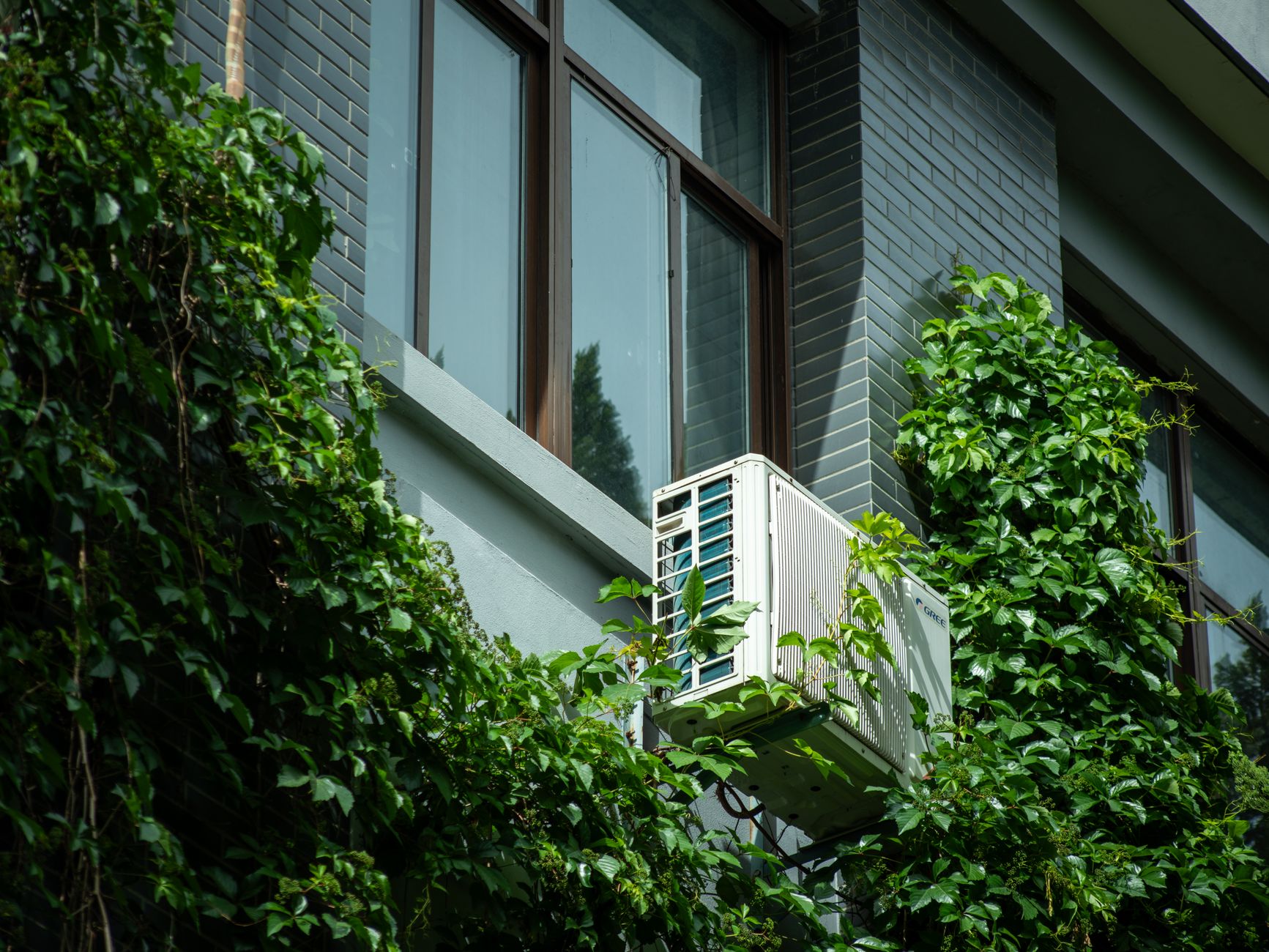
Energy efficient appliances reduce home utility bills by prioritising lower kWh consumption per cycle, typically providing a full return on their price premium within three to five years of standard household use. By focusing on total cost of ownership rather than just sticker price, homeowners can significantly lower their monthly expenditure on electricity and water.
⚡ In a Rush? Key Takeaways
- Modern A-rated appliances use 40-60% less energy than models manufactured before 2015.
- Heat pump tumble dryers consume ~2.0 kWh per cycle, down from 5.0 kWh in vented units.
- Cold water washing at 20°C reduces energy consumption per cycle by up to 60%.
- Standby power from home electronics adds $80–200 per year to the average household bill.
- ✅ Best strategy: Prioritise high-efficiency ratings for appliances running daily, like refrigerators.
How Do You Compare Appliance Energy Efficiency Ratings?
Look for energy labels showing annual kWh usage rather than just letter grades, as rating scales changed recently to be more rigorous.
When comparing appliances, the letter grade—A through G—provides a general guideline, but the annual kilowatt-hour (kWh) figure is the most accurate metric for calculating real-world costs. Manufacturers now test for real-world scenarios, making current labels more reliable than those seen a decade ago.
Why Is Annual kWh Usage More Important Than Letter Grades?
Annual kWh figures provide an absolute measure of energy draw that bypasses the limitations of varying efficiency letter scales.
Letter grades are useful for a quick glance, but they are subject to rescaling as technology improves. The kWh figure represents the estimated energy consumption based on a standardised number of cycles per year. This allows you to perform a direct cost calculation based on your local electricity tariff.
- Check the product’s technical data sheet for precise consumption data.
- Multiply the annual kWh by your current electricity rate to estimate yearly costs.
- Compare models within the same capacity class to ensure a fair energy assessment.
How Often Should You Replace Appliances for Energy Gains?
Replace appliances only when the cumulative energy savings over five years exceed the cost of the new unit purchase price.
You do not need to replace every machine immediately, even if they are older. If an appliance is functioning correctly, it is often more environmentally and financially sound to maintain it rather than discarding it prematurely. However, if your refrigerator is over 15 years old, the energy savings from a new efficient unit are usually immediate.
| Appliance | Typical Annual Savings | Payback Period |
| Refrigerator | $40–$60 | 7–9 years |
| Washing Machine | $25–$40 | 5–7 years |
| Tumble Dryer | $80–$120 | 3–4 years |
Which Home Appliances Cost the Most to Run?
Heating and cooling appliances, along with refrigeration and laundry machines, constitute the largest share of household electricity draw.
Identifying the “energy hogs” in your home allows you to target your upgrades effectively. Appliances that either generate heat or run continuously, like your energy-efficiency systems, have the highest impact on your bills.
Is Refrigeration the Biggest Energy Consumer?
Refrigerators are the highest continuous energy consumers because they must run 24 hours a day to maintain internal temperatures.
Because the fridge never cycles off like a washing machine, its efficiency rating is critical to long-term cost. An inefficient seal or a worn-out compressor can cause the unit to draw significantly more power than its original rating suggested.
- Check door seals for air leaks every six months.
- Keep coils free of dust to maintain efficient heat transfer.
- Set the temperature to the manufacturer’s recommended level to avoid energy waste.
Can Laundry Efficiency Drastically Lower Monthly Bills?
Switching from a traditional vented tumble dryer to a heat pump unit is the most significant laundry energy intervention available.
Laundry is one of the most frequent household tasks. The energy used to heat water in a washing machine and to remove moisture in a dryer accounts for a massive portion of the average utility bill. Incorporating efficient laundry systems helps manage this flow.
- Wash full loads to maximise the energy-per-item ratio.
- Use shorter, cold-water cycles for everyday clothing.
- Clean the lint filter after every single drying cycle to ensure airflow.
Frequently Asked Questions About Appliance Efficiency
-
Are smart appliances actually more energy efficient?
Smart features rarely improve efficiency unless they help better cycle scheduling or remote monitoring of your energy consumption.
-
What is the most energy efficient way to wash clothes?
Use a 20-degree cycle, wash only full loads, and rely on high spin speeds to remove water before using a heat pump tumble dryer.
-
Do energy monitors help track appliance performance?
Yes, plug-in energy monitors provide real-time usage data, exposing phantom loads and inefficient performance in older machines.
-
How long do modern appliances last compared to older ones?
Modern appliances have more complex electronics, but efficient units from reputable brands typically last 10 to 14 years with care.
Common queries about appliance energy labels, real-world consumption, and how to verify if a new unit will truly save you money.
Verdict: Where Should You Prioritise Your Efficiency Budget?
Prioritise your investment in high-efficiency ratings for appliances that operate daily, such as your refrigerator and dishwasher. While luxury features add convenience, the real financial gain comes from selecting base models that carry the highest energy efficiency ratings for your specific household needs. By tracking your actual usage with monitors, you can identify which machines require replacement first.