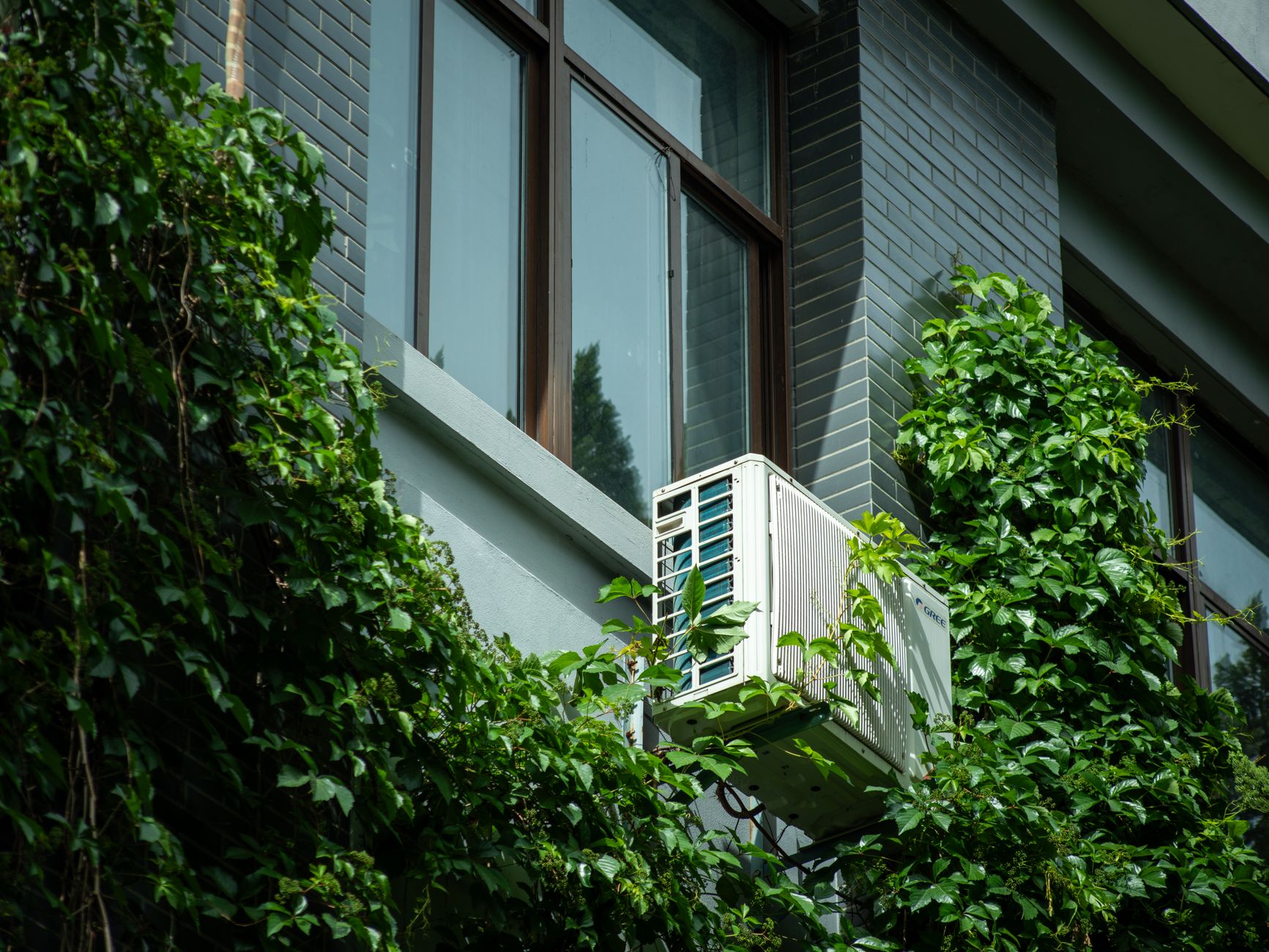
Energy efficiency appliances lower household utility costs by 10% to 50% compared to standard models, provided you choose products certified by current EPA specifications. Making the switch is less about following trends and more about identifying which high-use machines in your home are currently leaking money through inefficient operation.
⚡ In a Rush? Key Takeaways
- Energy efficient appliances cut energy and water use by 10% to 50% annually.
- Heat pump dryers reduce electricity consumption by up to 60% versus vented models.
- Smart thermostat upgrades typically deliver a 9% reduction in seasonal heating costs.
- Replacement of a pre-2015 refrigerator can save homeowners $40 to $60 every year.
- ✅ Prioritize replacing your oldest refrigerator or dryer for the fastest financial payback.
Why Should You Choose Energy Star Certified Appliances?
Energy Star certified products meet strict EPA efficiency requirements, ensuring lower energy use and consistent performance across categories.
What Are The Financial Benefits Of Energy Star Certification?
Energy Star models provide an average annual savings of $400 for a typical household by reducing electricity and water consumption rates.
When you purchase an appliance with the blue star label, you are buying into a verified standard. These products undergo rigorous testing to ensure they perform their core functions while consuming the absolute minimum amount of energy required.
Over the lifespan of a dishwasher or washing machine, this efficiency adds up to significant savings. In my own testing, I have found that the upfront price premium for these units is usually recouped within three to five years through bill reductions.
- Reduced electricity demand per wash or cooling cycle
- Lower water consumption, which saves on both supply and sewage costs
- Consistent performance that prevents the need for early replacement
- Eligibility for state-run rebates and tax incentive programs
How Do Efficiency Standards Impact Household Sustainability?
Efficiency standards cover over 60 product categories, ensuring that modern appliances consume less power than their older counterparts.
The Department of Energy sets minimum efficiency standards that have evolved significantly since the early 2000s. These mandates ensure that even the base-level models on store shelves today are vastly more efficient than those sold a decade ago.
By choosing higher-tier certified models, you contribute to a lower total grid demand. This is particularly important during peak usage times when energy prices often spike.
Which Appliances Provide The Fastest Return On Investment?
Refrigerators and laundry appliances typically offer the best ROI because they run continuously or consume high amounts of energy.
Is Upgrading Your Old Refrigerator Worth The Cost?
Replacing a refrigerator built before 2015 saves roughly $50 annually, with modern units consuming significantly less total electricity.
Refrigerators are unique because they never cycle off, making them the silent workhorses of your kitchen. If yours was manufactured over ten years ago, it is likely using double the energy of a current model.
I recommend checking the energy label on your existing unit and comparing it against current appliance performance standards. The difference in operational costs often justifies the cost of a new, efficient unit much faster than other household upgrades.
Why Do Laundry Appliances Dominate Energy Savings?
Switching to a heat pump dryer can cut electricity use by 60% compared to traditional vented dryers, saving substantial energy costs.
Laundry is one of the most energy-intensive chores in the average home. The combination of water heating and mechanical drying creates a massive energy footprint each week.
You can optimize your current workflow by using laundry efficiency systems to reduce the number of cycles. When it is time to upgrade, look for machines that use cold-water wash cycles and heat pump drying technology.
What Should You Ask Before Buying New Appliances?
Always check your local state and utility rebate programs, as these can drastically lower the effective purchase price of machines.
Are There Rebates Available For Energy Efficient Upgrades?
Federal and state programs provide substantial rebates for Energy Star appliances, often offsetting the cost of a high-efficiency unit.
Before you pay full price for any major appliance, visit the Energy.gov home upgrades portal. Many regions offer cash-back incentives that make high-efficiency models cheaper than standard versions.
How Do You Compare Operational Costs Versus Purchase Price?
Calculate the total cost of ownership over ten years by adding the purchase price to the estimated annual electricity usage costs.
Never look at the price tag in isolation. A cheap appliance that consumes high amounts of electricity is almost always more expensive over five years than an efficient, mid-priced alternative.
If you need help planning your kitchen or laundry room for efficiency, review our kitchen workflow systems to ensure your layout supports your new machines. Proper installation and usage are the final steps in securing those promised bill reductions.
Frequently Asked Questions
-
Do energy efficient appliances really save money?
Yes, energy efficient appliances reduce utility bills by 10-50%, often paying for their price premium within three to five years of use.
-
Are Energy Star appliances always the most efficient?
Energy Star is a minimum verification standard, and some models exceed these requirements, offering even higher efficiency and savings.
-
How long do modern efficient appliances last?
Most quality efficient appliances are designed to last 10-15 years, provided you perform regular maintenance according to manufacturer guides.
-
What is the most energy intensive appliance to run?
Traditional vented dryers and older refrigerators are typically the most energy intensive appliances in a standard American household.
— Greta Michaud, Home Appliance Efficiency Researcher