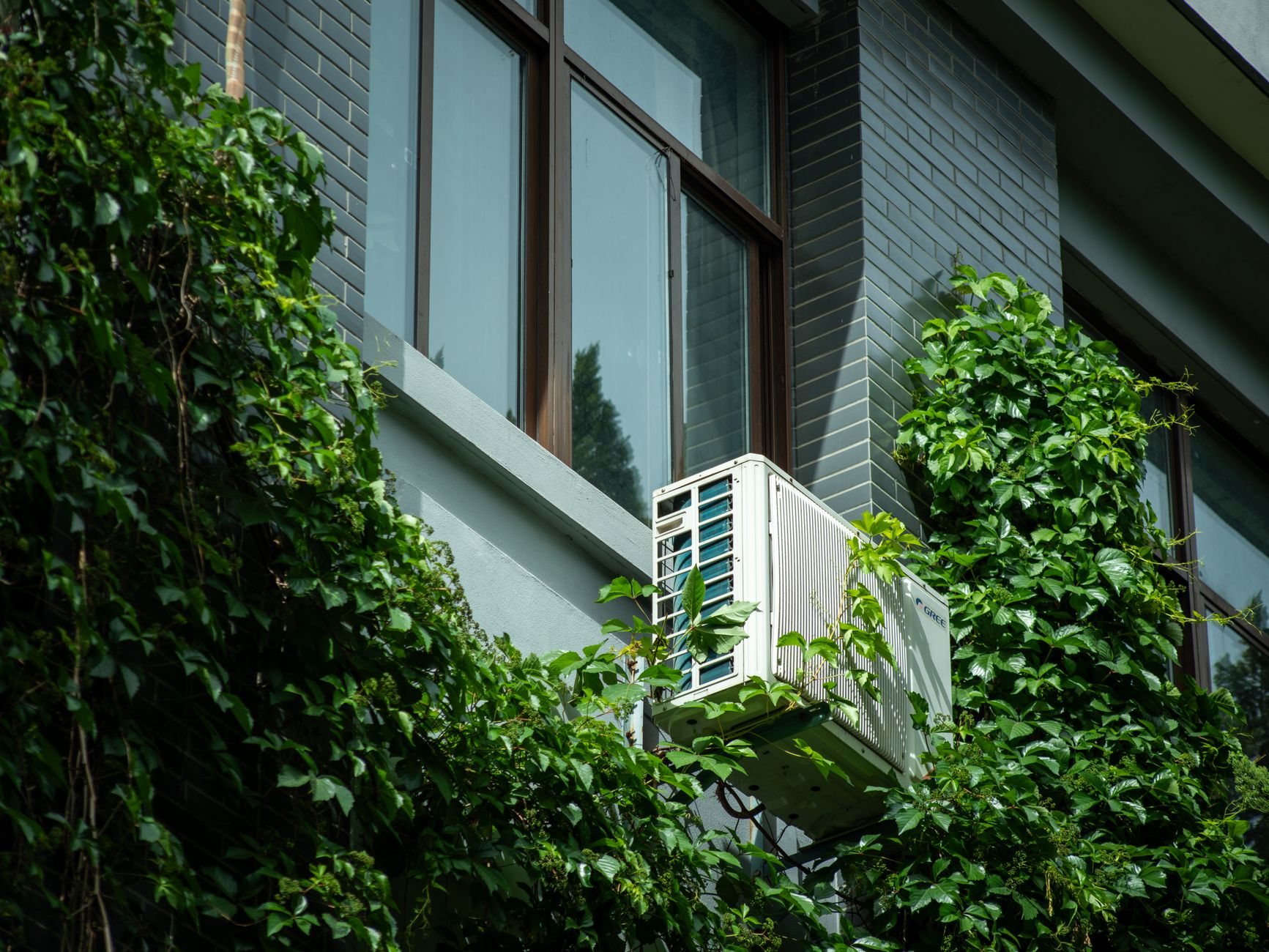
Energy efficiency appliances lower your home’s long-term operating costs by using less electricity and water to achieve the same performance as standard models. While the upfront purchase price is often higher, the cumulative savings on utility bills over a ten-year lifespan frequently exceed the initial investment.
⚡ In a Rush? Key Takeaways
- High-efficiency appliances can reduce annual energy bills by 15% to 30% for core household tasks.
- Modern heat pump tumble dryers use up to 60% less energy than standard vented versions.
- Energy efficiency upgrades often pay back their price premium within 3 to 5 years of daily use.
- Running a full, eco-mode dishwasher cycle is 40% cheaper than hand-washing under running water.
- ✅ Prioritize replacing your oldest, most-used appliances like refrigerators to maximize ROI.
How Do You Calculate the Real ROI of Efficient Appliances?
Calculate ROI by comparing the appliance’s total ten-year energy cost against the price premium over a standard baseline model.
Most buyers fall into the trap of looking only at the sticker price. When I evaluate appliances in my own home, I build a ten-year cost model that includes purchase price, electricity usage, and maintenance requirements.
What Is the Ten-Year Cost of Ownership?
The ten-year cost of ownership includes the purchase price plus the total utility expense over the expected lifespan of the unit.
An appliance that costs $200 more upfront but saves $40 a year in electricity is a sound investment. Over a decade, that machine is $200 cheaper to own than the “bargain” model that runs inefficiently every single day.
- Factor in your local electricity rate per kWh for accurate projections.
- Account for the average number of cycles run per week in your household.
- Consider the potential for repair costs, as higher-end efficient models often use premium parts.
Which Appliances Offer the Fastest Payback?
Refrigerators, tumble dryers, and washing machines consistently deliver the fastest payback due to their high daily energy usage.
Not all appliances are equal when it comes to efficiency gains. I recommend focusing your budget on machines that run continuously or handle high-volume mechanical work.
| Appliance | Efficiency Gain | Payback Period |
|---|---|---|
| Refrigerator | High | 3-5 Years |
| Heat Pump Dryer | Very High | 4 Years |
| Washing Machine | Moderate | 5-7 Years |
Are Energy Efficiency Ratings Still Reliable?
Energy ratings remain essential but must be interpreted through updated labels that reflect current, more rigorous testing norms.
Since 2021, many appliance labels were rescaled to prevent market saturation at the top end. An appliance that was “A+++” under the old system might be a “C” or “D” today, so always compare labels within the current year.
How Do You Compare New Energy Labels?
Compare new labels by looking at the specific kWh consumption per 100 cycles provided on the standardised energy information card.
Manufacturers now provide data on energy use per 100 cycles for laundry and dishwashing. This is the only way to compare two machines on a level playing field, as cycle lengths vary wildly between brands.
- Ignore marketing fluff; look for the kilowatt-hour (kWh) value.
- Check the water usage per cycle, which is often listed alongside energy data.
- Verify if the appliance features an “Eco” mode that meets the rating criteria.
Why Does Real-World Usage Differ from Lab Data?
Lab tests use standardized loads and temperatures that rarely match the variable, mixed-load reality of a busy family home daily.
I have tracked appliance performance for years, and real-world consumption is often 10-20% higher than the label suggests. This is usually due to heavy, wet loads or using settings that prioritize speed over efficiency.
How Can You Optimize Appliances Without Replacing Them?
Optimize your existing machines by using lower temperature settings, running full loads, and cleaning filters to boost efficiency.
You do not always need to buy new hardware to save money. Often, changing your interaction with the machine yields immediate results for free.
Can You Lower Running Costs by Changing Settings?
Switching to cold-water wash cycles and turning off heated drying options can slash your per-cycle energy use by up to 60 percent.
Heating water is the most energy-intensive part of any wash cycle. Most modern detergents are formulated to clean effectively in cold water, making hot cycles unnecessary for 90% of household laundry.
- Select the ‘Eco’ mode for dishwashers to reduce heating and pump energy.
- Avoid ‘Heated Dry’ on dishwashers; air-dry your dishes to save $0.10 per load.
- Use kitchen workflow systems to bundle tasks and minimize dishwasher runs.
Why Should You Maintain Your Current Appliances?
Routine maintenance like cleaning lint filters and clearing debris from spray arms keeps appliances running within rated specs.
A blocked lint filter forces a tumble dryer to work harder, extending cycle times and increasing energy consumption significantly. Regular DIY maintenance checks prevent these silent cost leaks.
- Clean refrigerator coils annually to improve compressor efficiency.
- Descale dishwasher heating elements to ensure water reaches target temperatures faster.
- Check door seals on ovens and fridges to prevent heat loss or cold air escape.
Frequently Asked Questions
-
Are energy-efficient appliances more expensive to repair?
They can be, as high-efficiency units often feature complex electronics that require specialized parts and skilled technicians.
-
Do smart features improve energy efficiency?
Smart features only improve efficiency if you use them to schedule operations during off-peak hours or track excessive usage.
-
How long do energy-efficient appliances last?
High-efficiency appliances have a similar lifespan to standard models, typically 10 to 15 years, depending on the brand quality.
-
Is a heat pump dryer worth the extra price?
Yes, it is the most significant energy-saving appliance upgrade available for homeowners who use their dryer multiple times weekly.
Bottom Line
Choosing energy-efficient appliances is a long-term financial strategy rather than a luxury purchase. By calculating the total cost of ownership and maintaining your machines, you can significantly reduce your monthly utility output while shrinking your household’s carbon footprint.