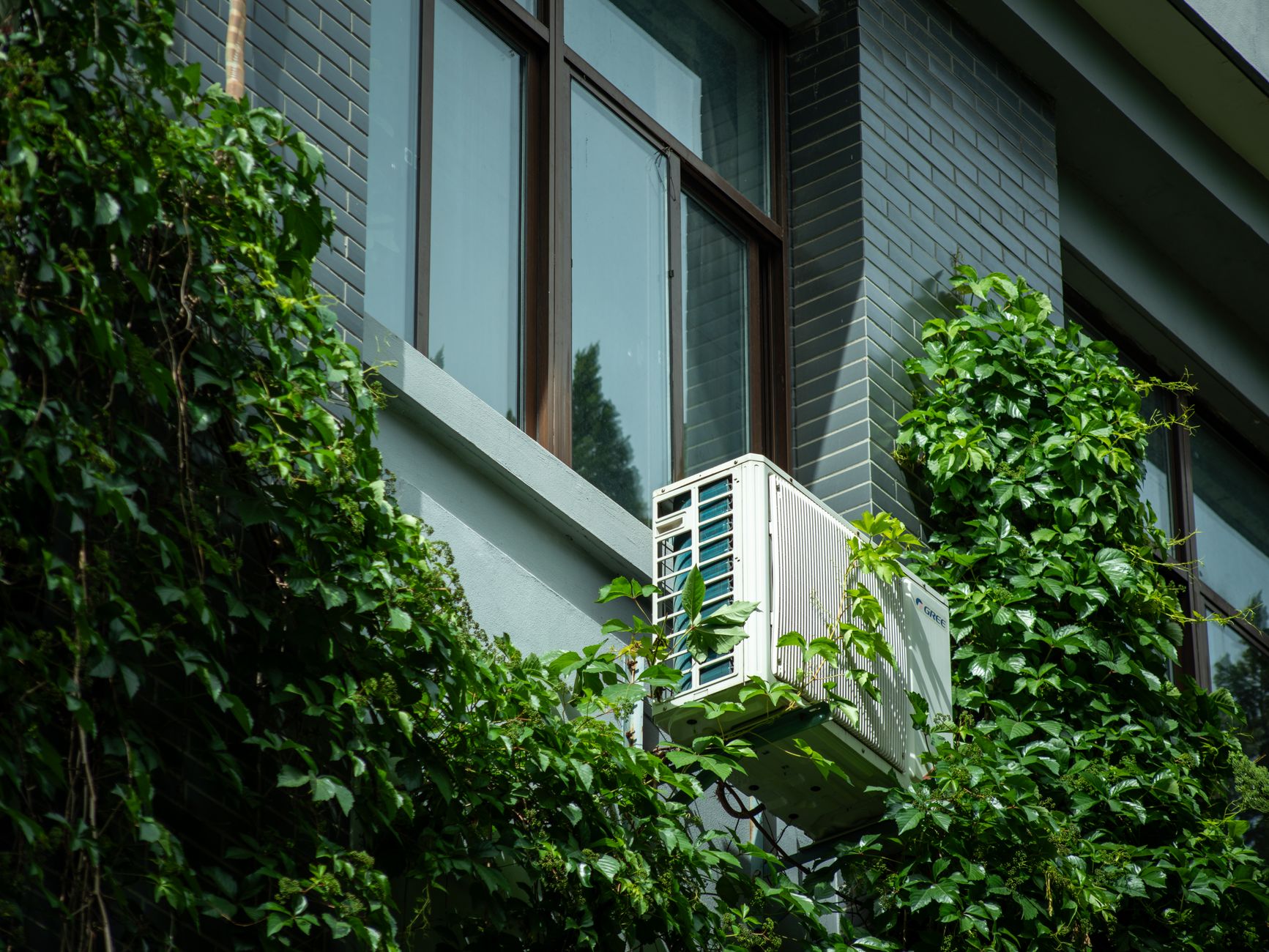
Energy efficiency appliances are worth the investment when the cumulative energy savings over a ten-year lifespan exceed the higher purchase price compared to standard models. While the upfront sticker price is typically 15% to 30% higher, modern appliances often pay for themselves through reduced electricity and water consumption within five to eight years.
⚡ In a Rush? Key Takeaways
- A modern A-rated appliance uses 40-60% less energy than a decade-old equivalent.
- Average annual savings per appliance range from $40 to $90 at 2026 electricity rates.
- The typical payback period for high-efficiency units is 5 to 8 years of use.
- Avoid high-efficiency marketing if the appliance is only used for occasional tasks.
- ✅ Prioritise efficiency for appliances that run daily, like fridges and washers.
How Do Energy Efficiency Labels Work in 2026?
Energy efficiency labels provide a standardized rating system showing annual energy consumption, helping consumers compare lifetime costs.
Understanding these labels is the first step in making a data-driven purchase. In 2026, many manufacturers have recalibrated their scales to reflect the higher performance of modern technology.
What do the energy rating letter grades represent?
Letter grades represent energy consumption per cycle or year relative to the average, with higher grades consuming significantly less.
An appliance rated ‘A’ is designed to operate at the absolute limit of modern technological capability. As you move toward the lower end of the spectrum, consumption increases substantially.
- A-rated: Best-in-class performance, minimal wasted heat.
- C-rated: Reliable mid-range efficiency for moderate usage.
- E-rated: High consumption, often only suitable for infrequent use.
Why does the label energy consumption range matter?
The label range allows users to calculate costs based on local electricity tariffs rather than generic manufacturer estimates.
Manufacturers must list the annual kilowatt-hour (kWh) usage based on standardized testing. You can multiply this figure by your local rate to find your true cost of ownership.
Which Appliances Provide the Highest Return on Efficiency?
Appliances that operate continuously or perform daily high-load cycles yield the fastest financial return for homeowners.
Not all efficient appliances are equal in terms of ROI. I focus my budget on the machines that are effectively ‘always on’ or heavily used, such as refrigerators and laundry systems.
Is a high-efficiency refrigerator worth the premium?
A modern high-efficiency refrigerator can save up to $50 annually, easily justifying the price difference over a fifteen-year life.
Since a refrigerator runs 24 hours a day, even minor gains in insulation or compressor performance compound. Investing in a quality unit often prevents the ‘hidden’ costs of old, inefficient systems.
Why should you prioritise efficiency in your washing machine?
Washing machines that optimize water and energy use per load can save over $60 a year compared to budget models in large homes.
The real performance of washing machines depends on how they scale energy use during partial loads. Efficient models excel here by reducing both water heating and spin cycle duration.
Are high-efficiency dishwashers actually more cost-effective?
Modern dishwashers use significantly less water and heat than hand-washing, with high-efficiency units adding further modest savings.
When you account for both water heating and detergent use, the workflow of kitchen appliances improves alongside the cost. Always check the annual kWh usage on the label before committing to a specific model.
Are there financial incentives for buying energy-efficient appliances?
Many governments offer rebates, tax credits, or low‑interest financing that can cut the effective price of efficient appliances by 10‑30%.
In 2026, the U.S. federal residential energy‑efficient property credit provides up to $300 for qualifying refrigerators, washers, and dishwashers that meet ENERGY STAR Most Efficient criteria. Several states add additional rebates ranging from $50 to $150 per unit, and utilities often run instant‑discount programs at the point of sale.
To capture these savings, look for the ENERGY STAR label, check the Database of State Incentives for Renewables & Efficiency (DSIRE) for your zip code, and ask retailers about any manufacturer‑sponsored promotions before finalizing a purchase.
How Can You Calculate Your Real Appliance Running Costs?
Running costs are determined by multiplying the appliance’s stated annual kWh usage by your specific local electricity price per unit.
The factory numbers provide a baseline, but your actual usage habits will vary. Using an energy monitor is the only way to get a precise look at your home consumption.
What role does standby power play in your annual bill?
Standby power can account for 5% to 10% of a home’s total electricity bill if dozens of appliances are left on permanent idle.
Small drains from digital displays and ‘smart’ features add up quickly. Using smart plugs or power strips can mitigate these costs effectively for entertainment systems.
How does user behaviour impact appliance efficiency ratings?
Correct loading, appropriate cycle selection, and maintenance are far more influential than the efficiency label on the machine.
An efficient machine will perform poorly if it is constantly overloaded or run at incorrect temperatures. I encourage consistent use of home energy management strategies to maximize your potential returns.
FAQ
Do energy-efficient appliances last longer than budget ones?
Often yes, as manufacturers tend to use higher-grade components in their most efficient, top-tier product lines for longevity.
Is it better to repair an old appliance or buy a new one?
If the repair cost exceeds 50% of a new machine’s price, replacement is generally more cost-effective over the next five years.
Does cold water washing improve appliance efficiency?
Yes, heating water accounts for most of a washer’s energy use; switching to cold cycles can reduce per-cycle energy by over 50%.
Last reviewed: March 2026 — Greta Michaud, Home Appliance Efficiency Researcher