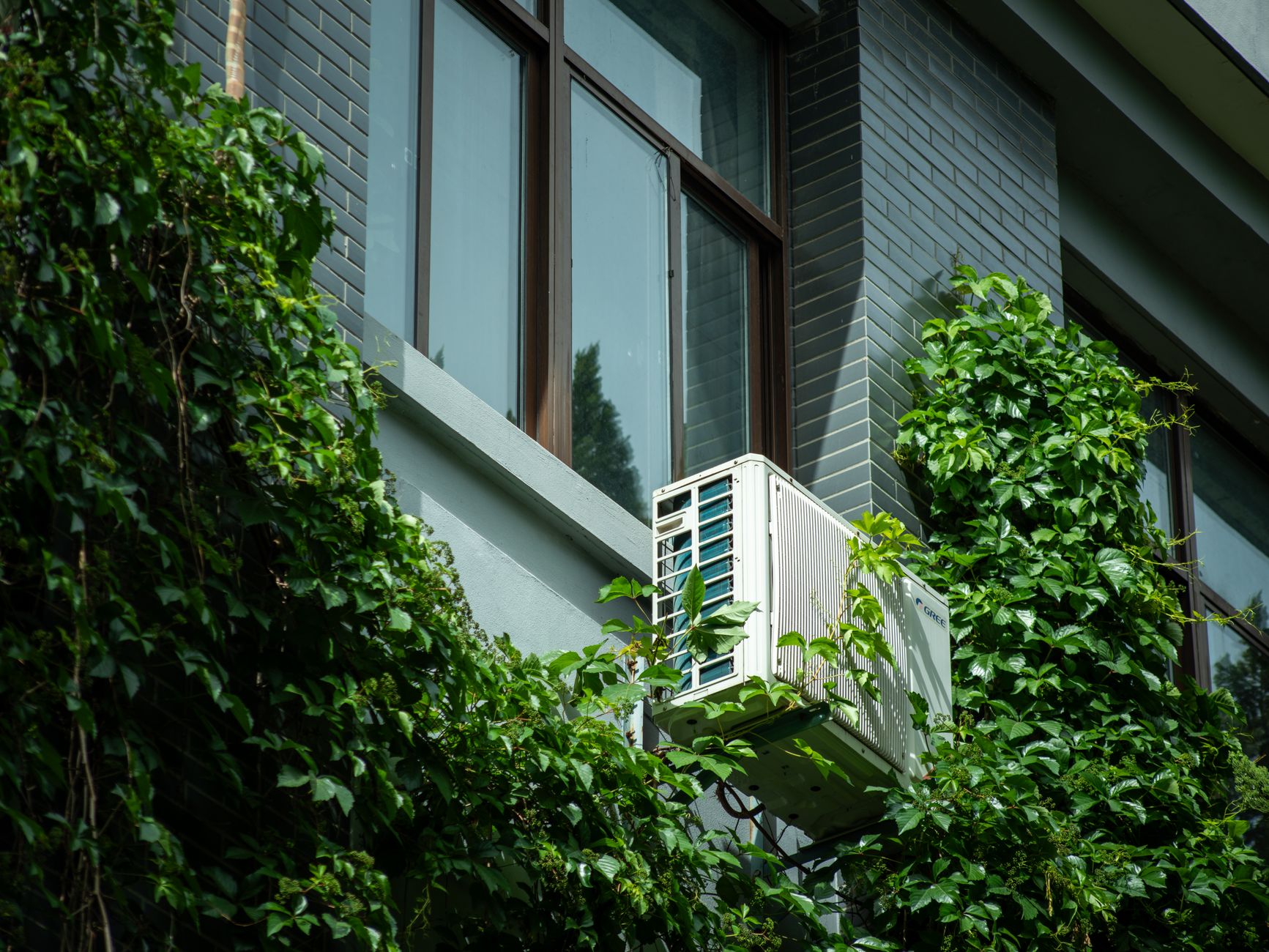
Energy efficiency appliances pay for themselves by reducing annual electricity consumption by 20% to 50% compared to standard models, depending on usage. While the initial purchase price is often higher, the cumulative savings on utility bills over a ten-year lifespan typically exceed the price premium paid at the checkout counter.
⚡ In a Rush? Key Takeaways
- High-efficiency refrigerators use 300-400 kWh less per year than older units.
- Heat pump dryers save approximately $0.40 per cycle compared to vented models.
- Cold water washing can reduce a machine’s energy draw by up to 60% per load.
- ✅ Verdict: Choose high-efficiency for appliances that run 24/7 or daily.
How Do Energy Efficiency Labels Work in 2026?
Energy efficiency labels provide standardized data on annual kWh consumption and performance, allowing direct comparison between different units.
Why should you ignore the old energy ratings?
Old rating systems are now obsolete, as modern technology has surpassed previous benchmarks, making current labels more stringent.
The label you see on an appliance today is significantly more demanding than those from a decade ago. Manufacturers have pushed engineering boundaries, meaning an appliance that might have been top-tier in 2015 would likely earn a mediocre grade under 2026 standards.
Always look for the specific kWh-per-annum figure rather than just the letter grade. This gives you a baseline for calculating your actual monthly utility costs based on your local tariff.
What do the consumption metrics actually mean for your wallet?
Consumption metrics represent estimated annual costs based on typical household usage patterns and fixed local electricity rates.
- Energy Star ratings indicate the appliance is in the top 25% of efficiency.
- Annual kWh tells you exactly how much electricity the unit will pull annually.
- Water usage ratings help estimate savings on your water and sewer bills.
- Noise ratings are provided in decibels, impacting comfort in open-plan kitchens.
Which Appliances Provide the Best Return on Investment?
Refrigerators, washing machines, and heat pump dryers consistently offer the highest ROI due to their continuous or frequent usage.
Is a high-efficiency refrigerator a smart investment?
Because they run continuously, high-efficiency refrigerators provide reliable, compounding annual savings over a 15-year lifespan.
Your refrigerator is the hardest working appliance in your home, consuming electricity 24 hours a day. Replacing a 15-year-old fridge with a modern, high-efficiency unit can slash your kitchen energy usage by more than half.
When shopping, prioritize models with internal temperature controls and thick insulation. These features ensure the compressor cycles less frequently, which is the primary factor in long-term energy savings.
Why are heat pump tumble dryers so much cheaper to run?
Heat pump dryers use a closed-loop system to recycle heat, consuming 60% less energy than standard vented electric tumble dryers.
I have tracked energy usage for various laundry systems, and the jump to a heat pump dryer is the single largest energy reduction you can make in your utility room. While they take longer to dry clothes, the electricity bill difference is undeniable.
| Appliance Type | Avg Cost Per Cycle | Annual Savings |
|---|---|---|
| Vented Dryer | $0.75 | $0 |
| Heat Pump Dryer | $0.25 | $120+ |
Does Usage Behavior Outweigh Appliance Efficiency?
How you operate an appliance often determines more of your energy bill than the technical efficiency rating of the machine itself.
Can cold water washing eliminate the need for premium machines?
Switching to cold water cycles reduces energy consumption by up to 90% per load because heating water is the most intensive task.
Modern detergents are formulated to clean effectively in cold water. By simply adjusting your dial, you bypass the biggest energy-draining component of your laundry workflow without needing to buy a new, more efficient washer immediately.
How do standby power costs impact your efficiency goals?
Standby power is a hidden drain, adding $80–$200 annually per home from devices that remain connected but idle throughout the day.
- Use smart power strips to cut power to entertainment systems entirely.
- Unplug small kitchen gadgets when not in use for extended periods.
- Select appliances with low-power “deep sleep” modes for the display.
Frequently Asked Questions
-
Are energy efficient appliances less durable?
High-efficiency appliances are generally just as durable, provided you maintain them properly by cleaning filters and checking seals.
-
Do energy rebates cover the full price premium?
Rebates and tax credits often cover 20–50% of the price premium, significantly shortening the payback period for most home buyers.
-
How do I know if my appliance is leaking energy?
Use a plug-in energy monitor to track the real-time electricity draw and compare it against the manufacturer’s stated technical specs.
Bottom Line: Is Efficiency Always Better?
Efficiency is always superior for high-use items, but for low-use appliances, the purchase price remains the most critical factor.
If you use an appliance daily, prioritize efficiency. If you use it once a month, focus on build quality and price. Always look at the total cost of ownership over ten years rather than just the price tag at the store.