Energy-efficient home improvements are upgrades that significantly reduce household power demand, often paying for themselves in under five years. By targeting thermal leakage and appliance consumption, homeowners can secure permanent, compounding reductions in their monthly utility costs. In 2026, the most effective projects combine high-impact insulation with strategic technology choices.
⚡ In a Rush? Key Takeaways
- Draught-proofing saves $200–$400 annually with minimal upfront investment.
- Heat pump upgrades reduce heating energy consumption by 50–70% compared to electric.
- Smart thermostats deliver 8–12% average savings on total heating and cooling bills.
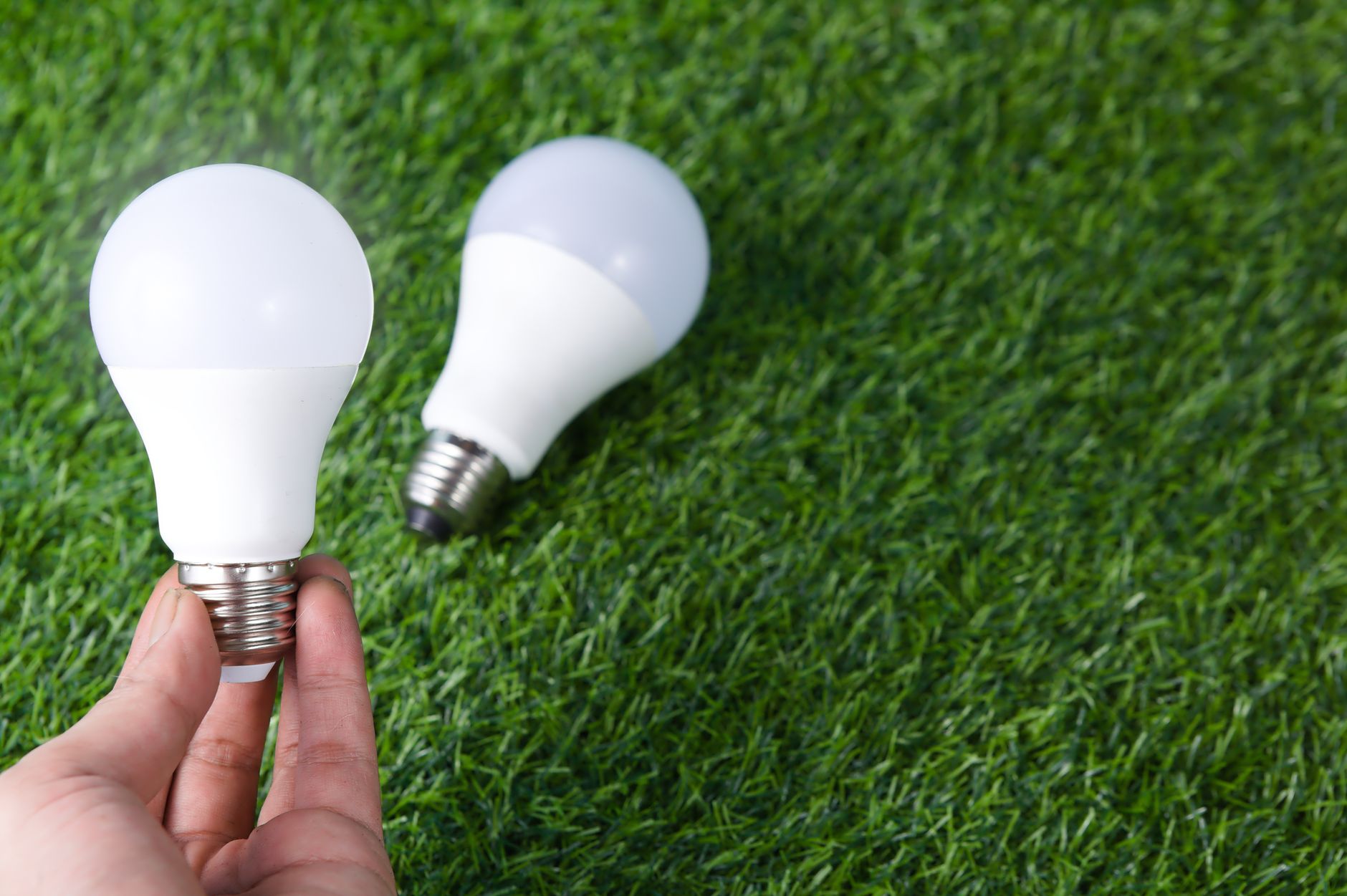
- LED lighting conversion provides a 75% reduction in lighting energy costs immediately.
- ✅ Priority: Fix envelope leaks before investing in expensive HVAC hardware.
Which Energy-Efficient Improvements Deliver the Highest ROI?
The highest ROI comes from sealing air leaks, which costs under $500 and can reduce annual heating and cooling bills by 15% to 20%.
Why is draught-proofing the most cost-effective first step?
Draught-proofing seals gaps around windows, doors, and floorboards, stopping thermal loss that makes HVAC systems work much harder.
Many homeowners start by replacing windows, but sealing the envelope is significantly cheaper. A simple kit of weatherstripping and door sweeps costs very little, yet addresses the primary source of heat loss in most properties.
By preventing warm air from escaping, you essentially increase the efficiency of the heating you already have. This is the foundation of home energy efficiency, as no heater can be efficient if your home is losing air to the outside.
- Caulking window frames stops cold air infiltration immediately.
- Door sweeps prevent heat loss from exterior thresholds.
- Attic hatch sealing prevents warm air from rising into the roof.
How do smart thermostats optimize energy performance?
Smart thermostats learn your schedule to avoid heating or cooling empty rooms, cutting utility demand by 8% to 12% on average.
A smart thermostat acts as a command center for your home climate. By adjusting temperatures automatically when you leave or go to sleep, you remove the human error of leaving systems running.
The payback period is usually under two years. Beyond the hardware, these devices provide data on your usage patterns, helping you identify if your appliance performance is being impacted by fluctuating indoor temperatures.
How do heat pump upgrades improve heating and cooling efficiency?
Air-source heat pumps move heat rather than generate it, delivering 2–3 times more heating energy than the electricity they consume, cutting heating costs by 40–60% in most climates.
Modern heat pumps can provide both heating and cooling, replacing separate furnace and air‑conditioner units. By extracting heat from outdoor air even in cold weather (down to –15 °F with newer models), they reduce reliance on electric resistance heating or fossil‑fuel boilers.
Installation costs typically range from $3,000 to $7,000 after incentives, and the federal tax credit can cover up to 30% of the equipment. Because they run at higher efficiencies year‑round, payback periods often fall between three and five years, especially when combined with good air sealing and insulation.
How Does Improving Insulation Impact Long-Term Costs?
Proper insulation maintains steady interior temperatures, reducing HVAC cycle frequency and saving 15% to 30% on annual energy expenses.
Is attic insulation worth the investment in 2026?
Adding blown-in or batt insulation to an attic is one of the most effective ways to lower cooling costs by reflecting solar heat.
Heat rises in the winter and enters during the summer. A well-insulated attic creates a thermal barrier that protects your living space from these extremes.
If you live in an older home, you likely have R-values well below current recommendations. Upgrading to modern standards can be done as a DIY project, provided you use safety gear and proper ventilation channels.
| Insulation Type | Avg. Cost | Energy Impact |
|---|---|---|
| Blown-in Cellulose | $1,500 | High |
| Fiberglass Batts | $1,200 | Medium |
| Spray Foam | $3,500 | Very High |
Why is wall insulation often overlooked?
Wall insulation prevents thermal bridging, ensuring the exterior of your home does not conduct cold or heat directly to your interior.
While more complex than attic work, insulating your walls is essential for complete home efficiency. Many professionals use dense-pack cellulose injected through small holes in the siding.
This improvement keeps your HVAC system from struggling, which extends the lifespan of your cooling and heating hardware significantly.
Frequently Asked Questions About Efficiency Upgrades
-
Can I get tax credits for these energy improvements?
Yes, the 2026 federal guidelines offer tax credits covering up to 30% of insulation and HVAC upgrade costs, up to $2,000 annually.
-
Does LED lighting still provide major savings?
Replacing all incandescent bulbs with LED equivalents reduces lighting energy consumption by 75% and saves roughly $50 annually.
-
Are solar panels a necessary energy-efficient improvement?
Solar panels generate energy, but they do not improve efficiency. You should always reduce demand before adding solar generation.
Common questions about home efficiency revolve around government incentives, DIY feasibility, and total cost versus energy savings.
For more details on managing your home costs, check out our guide on home maintenance costs to plan your budget effectively.