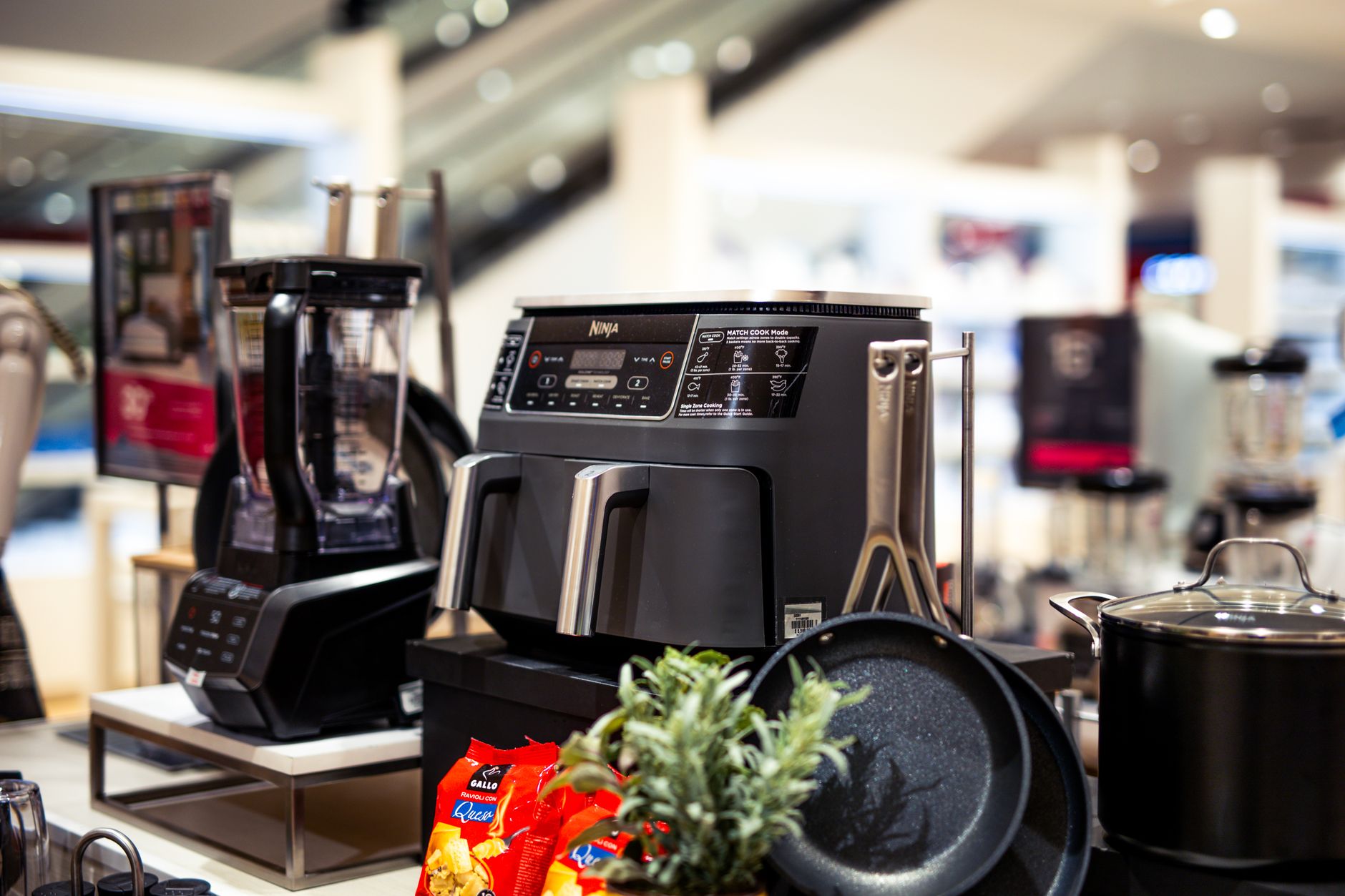
A food processor is an essential kitchen tool for high-volume prep, though its value depends entirely on matching the motor power and bowl capacity to your actual daily cooking habits. Most home cooks find that a 9 to 12-cup model balances enough space for family meals with a footprint that does not overwhelm a standard countertop.
⚡ In a Rush? Key Takeaways
- A 9-12 cup model handles 90% of household food preparation tasks efficiently.
- Look for at least 600 watts of power to prevent motor stalling on heavy dough.
- The best food processors save roughly 15-20 minutes of manual chopping per meal.
- Reliable brands typically offer 5-10 year warranties on motor components.
- ✅ Best value: Choose a mid-sized model with stainless steel blades and a stable base.
What Should You Look for in a Food Processor?
Look for a sturdy base, a bowl capacity matched to your family size, and simple pulse controls rather than excessive digital buttons.
Why Does Motor Power Matter for Daily Prep?
Motors under 500 watts often struggle with dense dough or thick vegetables, causing uneven results and potential long-term overheating.
In my experience testing kitchen tools, the difference between a frustrating gadget and a reliable machine is almost always in the motor’s torque. If you plan to make pizza dough or process root vegetables like sweet potatoes, a low-powered motor will eventually stall or smell like burning plastic.
For most households, a motor rated between 600 and 800 watts provides sufficient power without needing a professional-grade unit. Always check if the base has rubberised feet to prevent the machine from “walking” across your counter during heavy tasks.
- 600W+: Ideal for light tasks like chopping nuts or herbs.
- 800W+: Necessary for bread doughs and heavy vegetable processing.
- High torque is more important than pure wattage for consistency.
How Do You Determine the Right Bowl Capacity?
A 9 to 12-cup capacity is the standard for most families, while 5 to 7 cups suits single households or minimalist kitchen setups.
It is tempting to buy the largest model available, but a bowl that is too big becomes cumbersome to clean and store. Conversely, if you fill a 7-cup bowl to the brim, you are likely to experience leaks and uneven processing.
For those interested in efficient meal preparation, I often suggest looking at how your kitchen workflow integrates with these appliances. If you prep in batches, a mid-sized bowl is usually faster to rinse and reuse than a professional 16-cup version.
Are Attachments Actually Useful for Home Cooks?
Most home cooks only require a sharp S-blade for chopping and a reversible disc for slicing and shredding throughout the entire year.
I have lost track of how many users store boxes of unused plastic discs in their cupboards. Manufacturers often include specialty attachments to increase the perceived value of a machine, but these rarely see the light of day.
Focus your budget on the quality of the main blade and the housing materials rather than the number of accessories included. If you want to refine your small kitchen gadget collection, prioritize durability over complexity.
Is a Food Processor Always Worth the Counter Space?
A food processor is worthwhile if you frequently slice, shred, or puree, but it may be redundant if you already own a good blender.
When Should You Choose a Blender Over a Processor?
Choose a blender if your primary goal is making smoothies, soups, or icy drinks, as blenders handle liquids much better than processors.
Blenders are designed to create a vortex, which is excellent for liquid-heavy recipes but terrible for chopping solids. If you try to chop onions in a blender, you will likely end up with onion puree instead of evenly diced pieces.
Think about whether you are a “liquid” or “solid” prepper. If your microwave intelligence informs your current cooking style, consider if you are simply reheating prepped food rather than processing raw ingredients from scratch.
How Can You Safely Maintain Your Blades?
Hand wash blades with a long-handled brush to keep edges sharp, as dishwasher heat and harsh detergents dull metal cutting surfaces.
| Part | Care Method |
|---|---|
| Bowl | Top-rack dishwasher safe (most) |
| Blades | Hand wash immediately after use |
| Base | Wipe with a damp, non-abrasive cloth |
What is the True Lifespan of a Quality Machine?
A well-maintained food processor from a reputable brand can easily last 8 to 12 years with consistent, moderate weekly household use.
Most failures occur because users overload the motor or allow food residue to harden on the seals. By running the machine in short pulses rather than holding the button down, you protect the motor from unnecessary strain during everyday cooking.
Frequently Asked Questions
-
Can a food processor replace a high-end blender?
No, a food processor and blender serve different purposes; one is for solids and uniform cutting, while the other is for purees and liquids.
-
How do I know if I need a food processor?
If you find yourself manually chopping vegetables for more than 20 minutes a week, a food processor will significantly improve efficiency.
-
Are plastic bowls better than glass bowls?
Plastic bowls are lighter and shatter-resistant, making them standard, though they can stain if you process ingredients like turmeric.
-
Does the food processor have to stay on the counter?
Only if you use it daily; otherwise, it is perfectly fine to store in a lower cabinet if you have a accessible drawer for the blades.
At the end of the day, a food processor is only as effective as the space you give it in your routine. Choose one that you will actually take out of the cabinet, and it will quickly pay for itself in saved time.