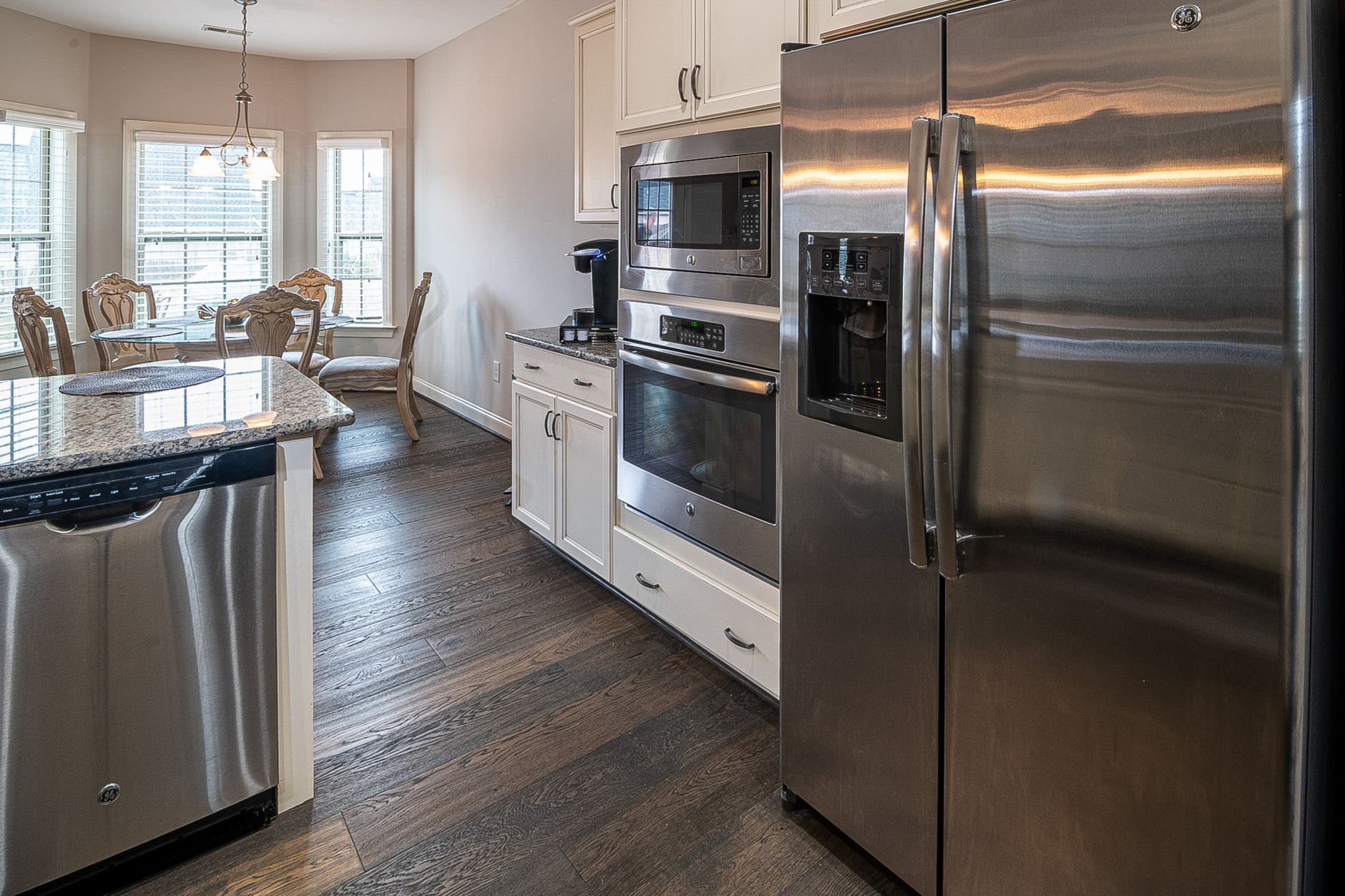
How Do Home Appliances Influence Your Annual Utility Bill?
Appliances account for 30–40% of the average home electricity usage, with heating, cooling, and water consumption being the primary drivers.
Most households view appliances as static utility tools, but they are active, energy-consuming participants in your monthly finances. Beyond the purchase price, the ongoing cost to run these machines determines their actual value over a ten-year lifespan.
⚡ In a Rush? Key Takeaways
- Appliances typically represent 35% of total household energy expenditure.
- Older refrigerators can consume 400–600 kWh annually compared to 150 kWh for new models.
- Switching from a vented to a heat pump dryer reduces energy use by nearly 60%.
- ✅ Prioritize high-efficiency models with the lowest 10-year total cost of ownership.
What Is the Total Cost of Ownership for Major Appliances?
Total ownership costs include the initial price, yearly energy consumption, required maintenance parts, and occasional professional repairs.
Many consumers prioritize the upfront price, which is often a mistake. A low-cost appliance frequently carries higher energy demands that effectively neutralize any initial savings within the first three years of use.
- Purchase price: The entry fee for the appliance hardware.
- Operational cost: Annual electricity or water usage charges.
- Repair budget: Expected costs for minor maintenance or component failure.
- Disposal/Recycling: Potential costs associated with appliance end-of-life.
How Do You Compare Energy Ratings in 2026?
Modern energy labels now use a rescale system where A is the highest efficiency, often rendering older A+++ ratings obsolete.
When comparing units, verify the specific kWh per 100 cycles figure rather than the general label letter. This provides a granular look at how the machine performs under standardized laboratory testing conditions.
Are Smart Features Actually More Energy Efficient?
Smart connectivity helps manage loads by timing usage to off-peak hours, though the standby energy draw remains a potential drawback.
Intelligent control systems excel at optimizing cycle times based on load weight or soil levels. This appliance intelligence ensures that you never use more water or electricity than is strictly necessary for the job at hand.
How Does Appliance Placement and Ventilation Affect Energy Use?
Proper clearance and airflow around appliances can cut their energy consumption by 10‑25% by preventing overheating and reducing strain on motors and compressors.
Refrigerators and freezers need at least two inches of space on the sides and top for heat to escape; blocking vents forces the compressor to run longer, raising electricity use. Similarly, clothes dryers require unobstructed vent ducts; lint buildup or kinked hoses increase drying time and can raise energy consumption by up to 30%.
Regularly cleaning condenser coils on fridges, ensuring dryer vents are clear, and keeping range hoods free of grease improve heat exchange efficiency. Simple habits like pulling the fridge a few inches from the wall and checking vent hoses quarterly can yield noticeable savings on your annual utility bill.
Which Appliances Provide the Best Return on Investment?
High-frequency appliances like refrigerators, washing machines, and HVAC systems offer the fastest payback through energy savings.
I have spent years testing these units and found that the most reliable brands frequently deliver the lowest lifetime costs. Investing in quality engineering pays dividends in reduced repair frequency.
Why Should You Upgrade Your Refrigerator First?
Refrigerators run continuously, making an inefficient model the single most expensive appliance to keep in your home long-term.
An upgrade here is not merely about aesthetic preference; it is a financial necessity. Modern compressors are significantly more efficient than those manufactured even a decade ago.
How Much Can You Save with Modern Laundry Systems?
Switching to a heat pump dryer and a high-spin-speed washer cuts total laundry energy costs by as much as 50% for most families.
High spin speeds remove more water, meaning your dryer has to work less. If you need help calculating your specific usage, our laundry cost calculator can provide clear data for your home.
Is an Induction Cooktop Worth the Switch?
Induction cooking offers 90% thermal efficiency, far exceeding the 70% of gas and 60% of traditional electric radiant heating coils.
The speed and precision of induction allow for shorter cooking times, which reduces the total heat leakage in your kitchen. It is a fundamental shift in kitchen workflow efficiency.
Frequently Asked Questions About Home Appliances
-
How long should I expect a modern appliance to last?
Most quality major appliances have a lifespan of 10–14 years, though this varies based on usage volume and maintenance frequency.
-
Does appliance maintenance extend hardware life?
Yes, cleaning condenser coils and clearing lint filters reduces thermal stress and prevents premature failure of critical components.
-
What is the benefit of an extended warranty?
Extended warranties are rarely cost-effective unless they cover complex electronics that are prone to early failure in your model.
For more detailed budgeting, refer to our home finance guides to understand how appliance lifecycle planning fits into your broader household budget.