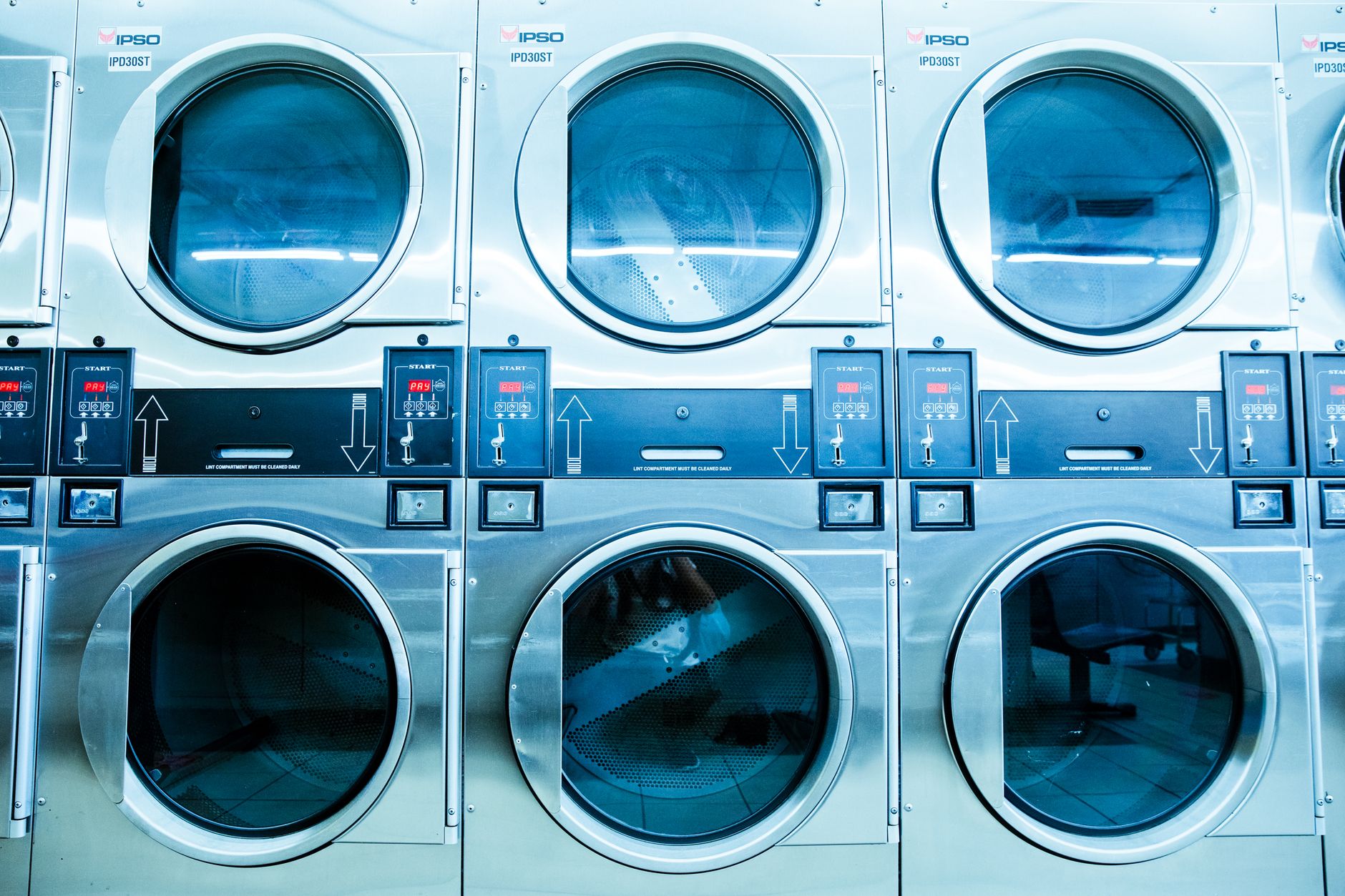
Washing machines are essential household appliances that consume a significant portion of a home’s yearly electricity and water budget through frequent, recurring cycles. Selecting the right model involves balancing initial purchase price against decade-long energy usage, water efficiency, and the mechanical reliability required for heavy weekly loads.
⚡ In a Rush? Key Takeaways
- Modern A-rated machines use 60% less energy than models produced a decade ago.
- Cold water cycles reduce energy consumption by up to 90% per individual load.
- A 1,600 RPM spin speed saves roughly 15 minutes of dryer time per cycle.
- Routine maintenance with specialized cleaner adds 3–5 years to machine lifespan.
- ✅ Best value: Choose high-reliability brands with A-rated energy efficiency.
How Do You Calculate the Real Cost of a Washing Machine?
The true cost includes the purchase price plus the cumulative energy and water bills over an expected ten-year lifespan of the unit.
What Is the Impact of Energy Ratings on Yearly Bills?
Energy ratings dictate operational costs, with A-rated models potentially saving households over $50 annually compared to lower-tier units.
When I evaluate machines, I focus on the label. An A-rated machine under the 2026 standards is vastly more efficient than older units, using significantly less electricity to heat wash water. Over ten years, this efficiency gap often exceeds the price difference between budget and premium models.
- Compare kWh per 100 cycles on the official energy label.
- Prioritize machines that offer effective eco-settings for daily laundry.
- Calculate the annual cost by multiplying your local rate by the label kWh.
Why Does Spin Speed Affect Your Total Home Energy Usage?
Higher spin speeds extract more water from clothes, which drastically reduces the energy needed by your tumble dryer to dry them.
Most people view the washing machine in isolation, but it acts as a partner to your dryer. A machine that spins at 1,600 RPM leaves clothes much drier than one spinning at 1,200 RPM. This simple mechanical difference cuts drying energy consumption by approximately 15% per load.
Which Washing Machine Capacity Actually Fits Your Household?
Most households overestimate capacity needs, as a 9kg drum is rarely filled to its actual dry weight limit during typical weekly use.
Manufacturers market larger drums as a premium feature, but loading them partially leads to inefficient water use. Select a size based on your heaviest laundry day, such as washing comforters or large batches of towels. For most families, 8kg to 9kg provides the optimal balance.
How Should You Maintain a Washing Machine for Longevity?
Regular maintenance prevents scale buildup and component failure, extending the machine lifespan from seven years up to fifteen years.
How Often Should You Run a Maintenance Cycle?
A deep-clean maintenance cycle using a descaling agent should be performed every three months to prevent internal drum mold and scale.
Hard water is the enemy of any heating element. If you live in a hard water area, incorporating water efficiency practices and using regular descaling tablets is mandatory. It prevents the heating element from coating in limescale, which forces it to work harder and consume more power.
- Use specific descaling solutions rather than household vinegar.
- Wipe the rubber door seal monthly to prevent mildew buildup.
- Keep the detergent drawer clean to ensure proper flow and hygiene.
What Are the Signs That Your Machine Needs Professional Repair?
Unusual noises during the spin cycle or consistent water leaks often indicate worn-out bearings or failing internal seals on the drum.
Ignoring small leaks can lead to catastrophic motor failure or floor damage. Before you call a tradesman, ensure the machine is level on the floor. An unbalanced machine vibrates excessively, accelerating wear on the suspension system.
Can You Fix Basic Washing Machine Issues Yourself?
Basic DIY repairs include cleaning the drain filter and checking the inlet hoses for blockages, which solve most common drainage errors.
Most machines have an accessible drain pump filter at the front. If your machine fails to drain properly, this is almost always the first point of failure. Always keep a towel and bowl ready, as this will release standing water trapped in the drum.
Frequently Asked Questions About Washing Machines
-
Is a front-load or top-load machine more energy efficient?
Front-load machines are generally more energy efficient, using significantly less water and mechanical energy to tumble clothes effectively.
-
What is the most efficient temperature for a daily wash?
Running your machine at 20°C (68°F) uses up to 60% less energy than a standard 40°C cycle while achieving comparable cleaning results.
-
Do I really need to use specific laundry detergents?
Yes, modern cold-water detergents are formulated to activate at lower temperatures, which is essential for maximizing your energy savings.
-
Are extended warranties worth the extra cost?
Extended warranties rarely offer better value than purchasing a brand known for high reliability scores, as repair costs are often predictable.
Common queries regarding laundry efficiency include cycle types, water temperature settings, and the benefits of front versus top loading.
For further advice on managing your home costs, check out our guide on monitoring your monthly energy expenditure to keep your household utilities in check.