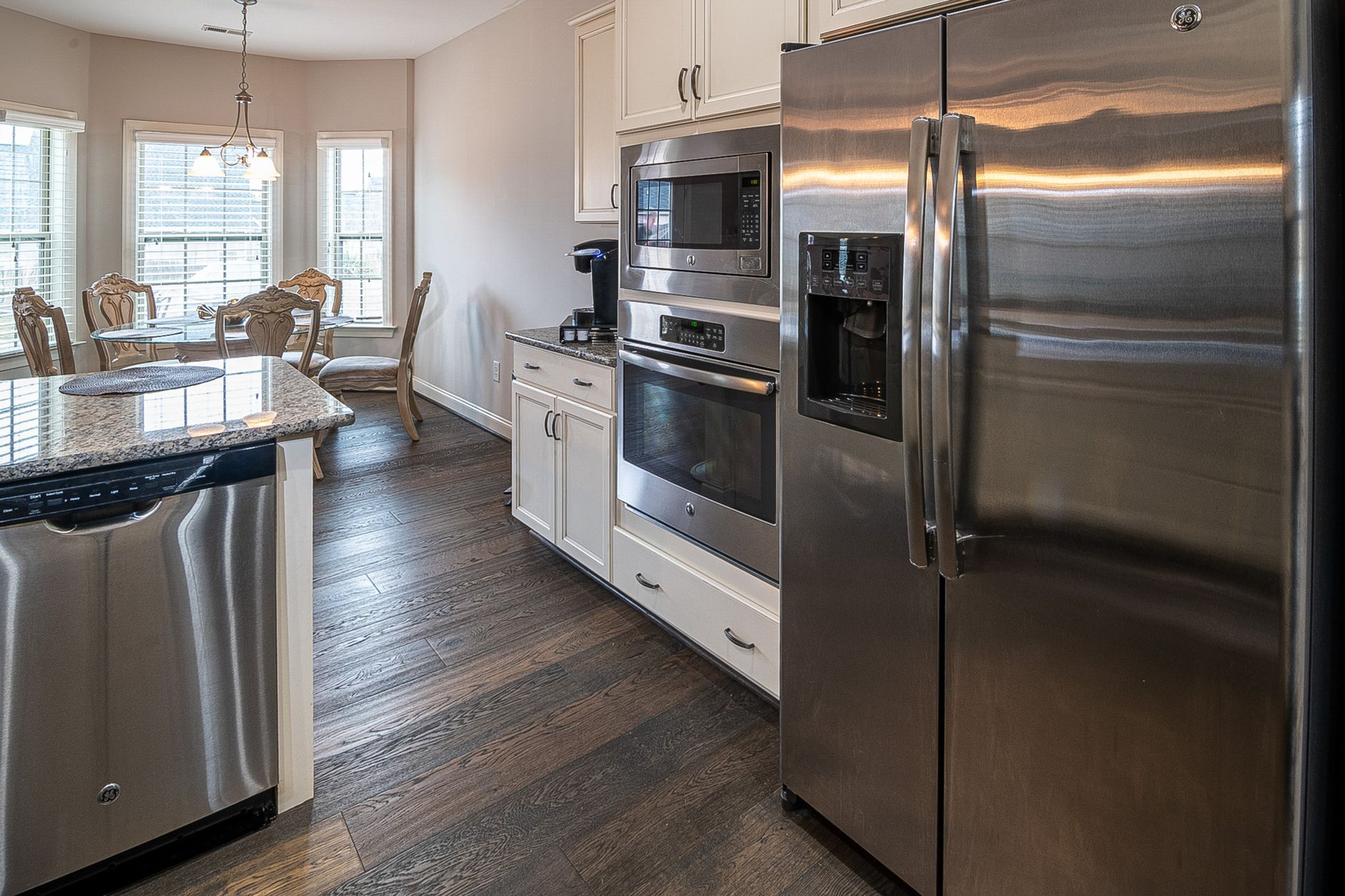
Home appliances are best chosen by prioritizing the total cost of ownership, which combines your initial purchase price with long-term energy and maintenance expenses. Efficient machines often carry a higher upfront cost but frequently pay for themselves within four to six years through lower monthly utility bills.
⚡ In a Rush? Key Takeaways
- Modern A-rated appliances can save 30% more energy than those sold a decade ago.
- Heat pump dryers use roughly 60% less electricity than traditional vented models.
- Smart monitoring can reduce standby power waste by up to $150 annually per home.
- Always prioritize a 10-year reliability rating over a lower initial purchase price.
- ✅ Best value: Choose models with the highest energy ratings for daily-use items.
In eight years of testing appliances, I have found that manufacturers rarely advertise the real-world operational costs of their products. A refrigerator rated for high efficiency in a lab might perform differently in a kitchen with poor airflow or higher ambient temperatures. Tracking these metrics over thousands of cycles remains the most accurate way to understand your actual expenditure.
Which Factors Determine Your Total Appliance Running Costs?
Running costs depend on your appliance energy rating, usage frequency, local electricity rates per kWh, and total standby power draw.
How Does Your Local Electricity Rate Influence Buying Decisions?
Your monthly utility bill varies significantly based on local cost per kWh, making high-efficiency models more valuable in high-rate areas.
Electricity rates vary drastically across the country, which dictates how quickly an efficient appliance pays for itself. If you live in an area with rates above $0.20 per kWh, the payback period for premium energy-efficient models drops by nearly half compared to lower-rate regions.
- Check your latest utility statement for your exact per-kWh price.
- Higher rates make inverter-motor appliances a more urgent financial priority.
- Calculate your projected annual savings using the appliance’s estimated kWh per year.
Why Is Standby Power Consumption Often Overlooked?
Many appliances draw 2–10 watts even when off, adding up to significant annual costs across a household with many electronic devices.
Standby power represents a hidden leakage in your household budget that remains consistent regardless of how often you use a machine. Microwaves, entertainment centers, and smart-enabled fridges can draw power 24/7, costing a household upwards of $100 annually if left unmanaged.
| Device Type | Typical Standby Draw | Annual Cost |
| Microwave | 3 Watts | $6 |
| Gaming Console | 12 Watts | $25 |
| Smart Fridge | 8 Watts | $17 |
How Do Energy Ratings Translate to Real-World Savings?
Modern energy labels allow you to compare efficiency, though labels occasionally differ between international and domestic standards.
Energy efficiency labels serve as a baseline, but they operate under controlled testing protocols that may not reflect your specific laundry or cooking habits. Always look for the appliance performance data to see how specific units handle variations in load and temperature.
Which Appliances Provide the Highest Return on Efficiency?
Appliances that run continuously or heat large volumes of water offer the fastest financial return on an efficiency upgrade.
Are Heat Pump Dryers Worth the Extra Upfront Investment?
Heat pump dryers use roughly 60% less energy than standard vented models, offering payback periods typically under four years for families.
If you rely on your dryer more than twice a week, the transition to heat pump technology is perhaps the most impactful efficiency change you can make. These units recycle heated air internally, preventing the massive heat loss associated with traditional exhaust systems.
- Lower drying temperatures also extend the lifespan of your clothing fabrics.
- Heat pump units require less ventilation, allowing for more flexible installation spots.
- Most models have an optimized laundry cycle that prevents over-drying and waste.
Do Energy-Efficient Refrigerators Save Significant Money?
Modern refrigerators use as little as 150 kWh per year, creating massive savings compared to units manufactured before the year 2015.
Since refrigerators run 24 hours a day, even minor efficiency gains compound into substantial savings over a decade. I have consistently found that older units are the quiet killers of a household budget, often costing $50 to $80 more per year than a current-model A-rated alternative.
Is High-Efficiency Dishwashing More Cost-Effective Than Hand Washing?
A full-load dishwasher cycle uses significantly less water and energy than hand washing the same number of dishes in a deep sink.
Water heating remains the primary energy expense in the kitchen, and modern dishwashers minimize this through precision heating cycles. Using efficient kitchen workflows like waiting for a full load before starting ensures you aren’t paying to heat water for half-empty racks.
Frequently Asked Questions
-
Should I repair or replace my inefficient appliance?
Replace if repair costs exceed 50% of a new model’s price or if the appliance is over 10 years old and performs well below modern ratings.
-
Do smart home features actually reduce energy usage?
Smart features save money only if you use them to schedule operations during off-peak hours or to monitor and limit standby energy usage.
-
How often should I clean my appliances for efficiency?
Cleaning filters, coils, and vents every 3–6 months prevents motors from overworking, which maintains energy efficiency and unit longevity.
-
Are extended warranties worth the cost?
Most extended warranties provide little value; you are better off setting aside that money as a dedicated emergency fund for repairs.
Choosing home appliances is an exercise in long-term planning, where the correct decision made today yields lower bills for the next decade. By focusing on total ownership costs rather than just the initial price tag, you ensure your home runs reliably and affordably. — Greta Michaud, Home Appliance Efficiency Researcher